


Saving a severely damaged or infected tooth is always the primary goal of modern dentistry.
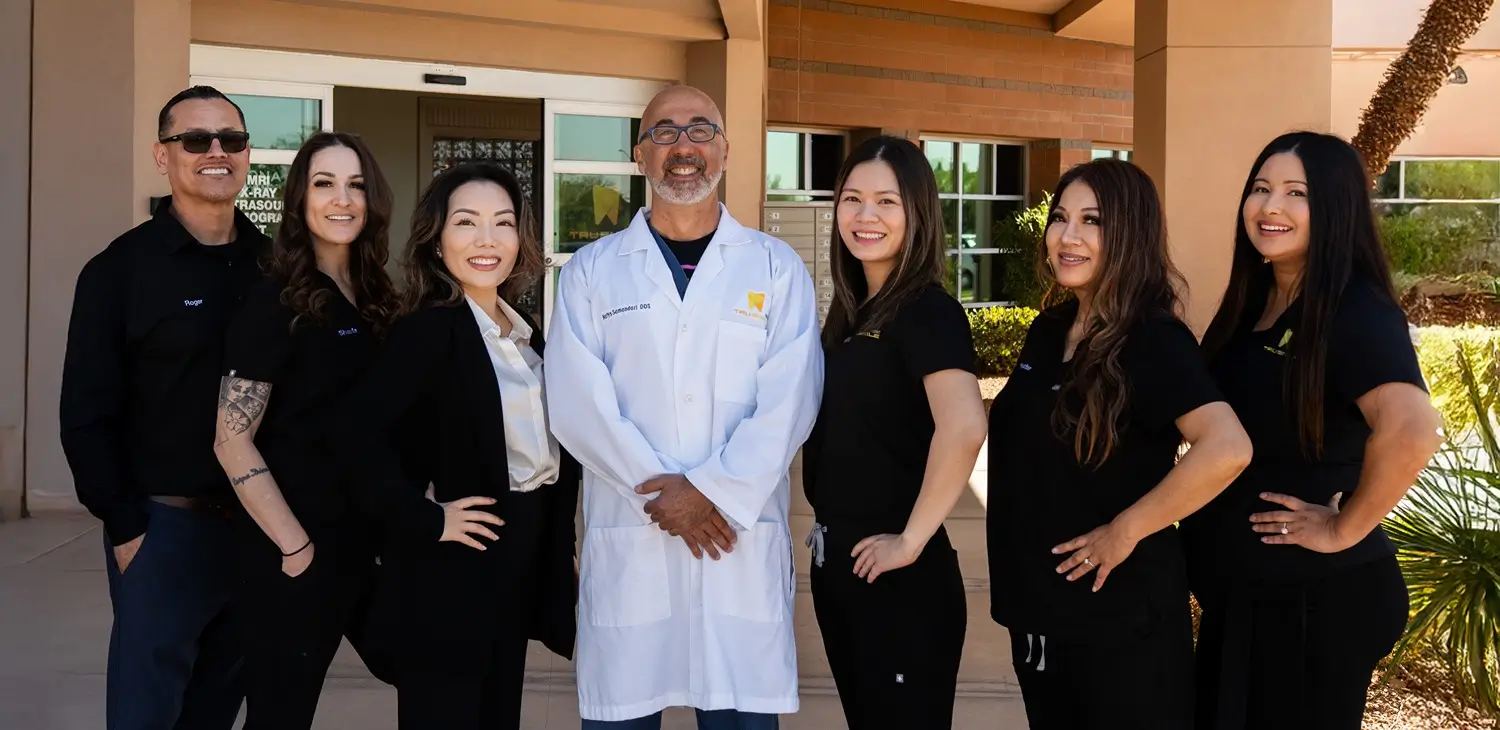
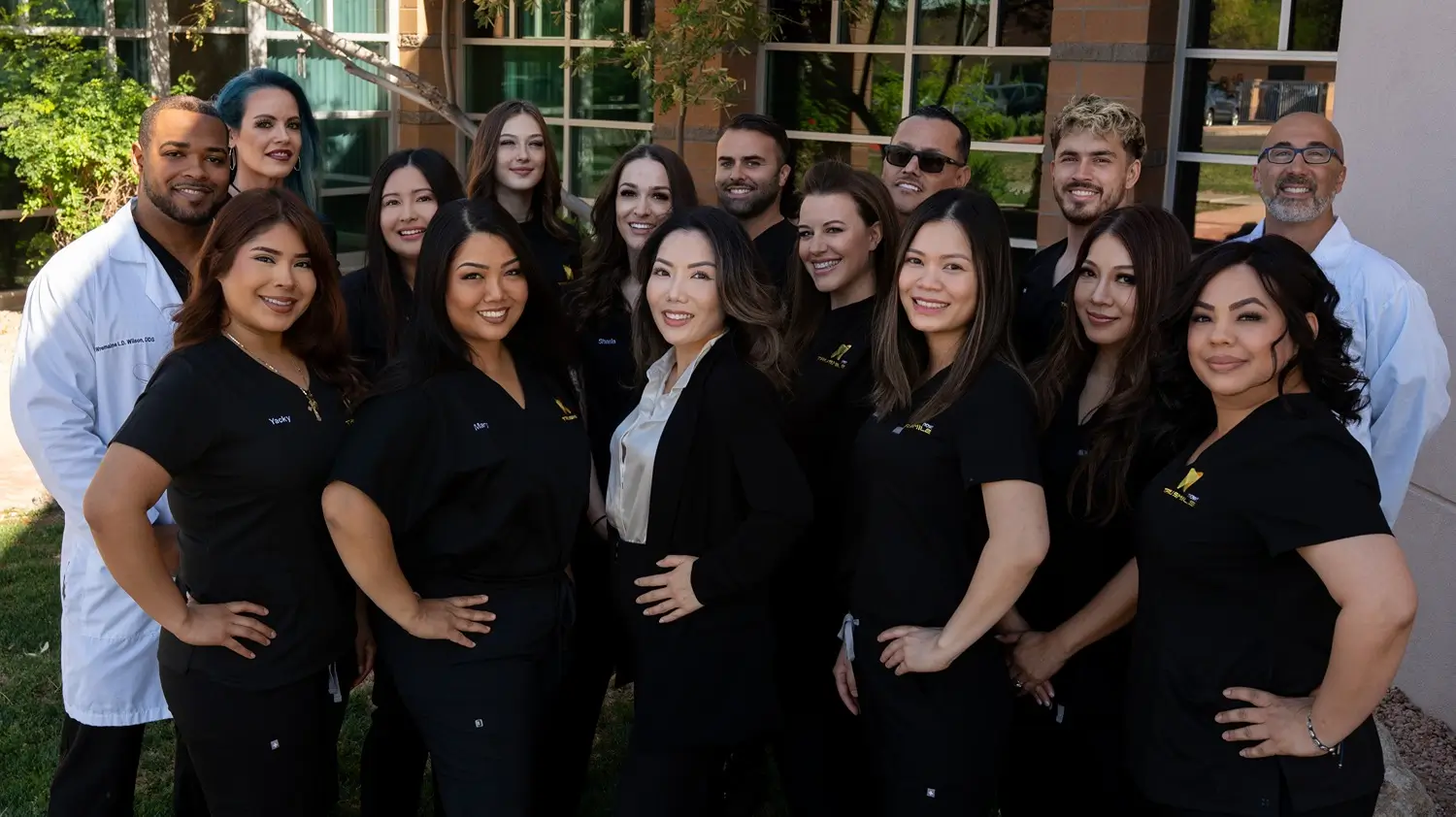
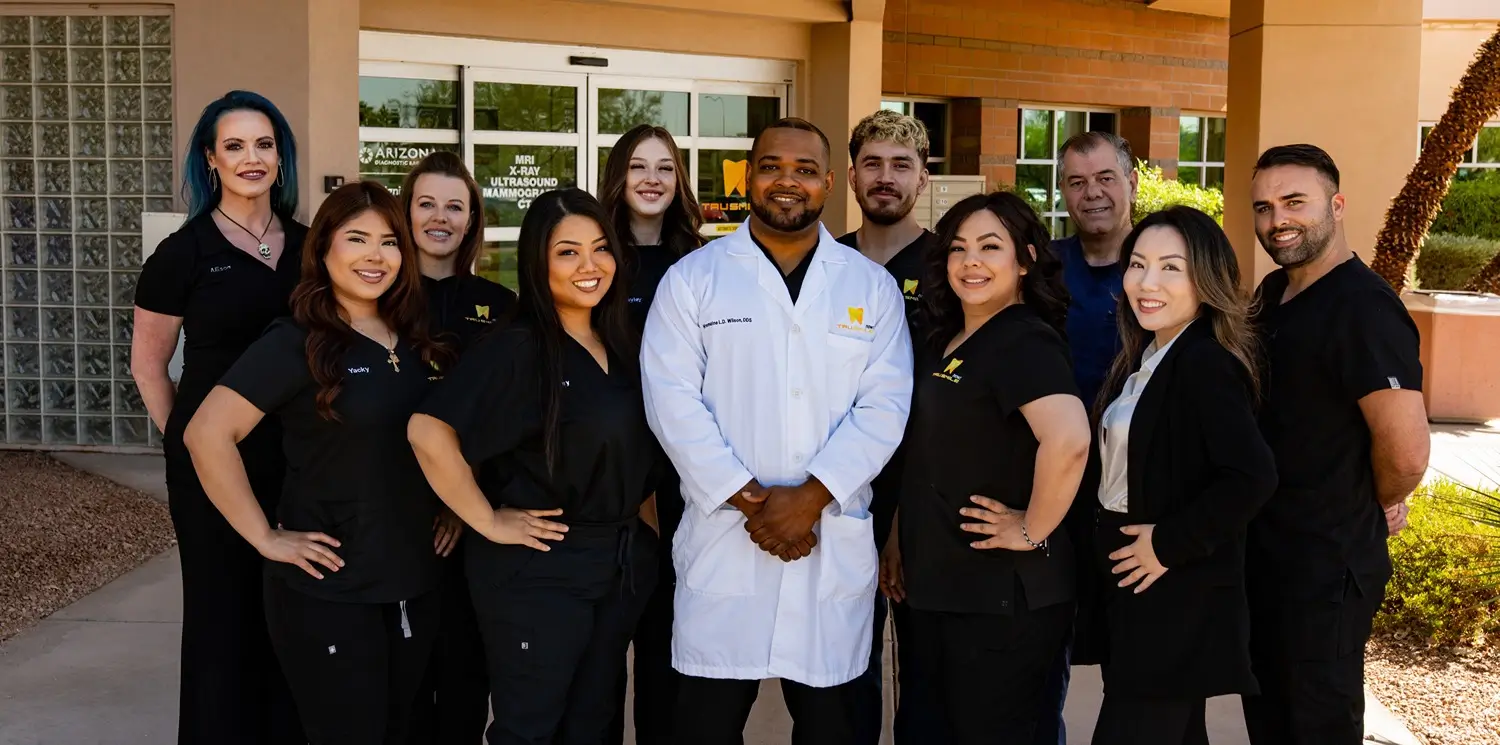
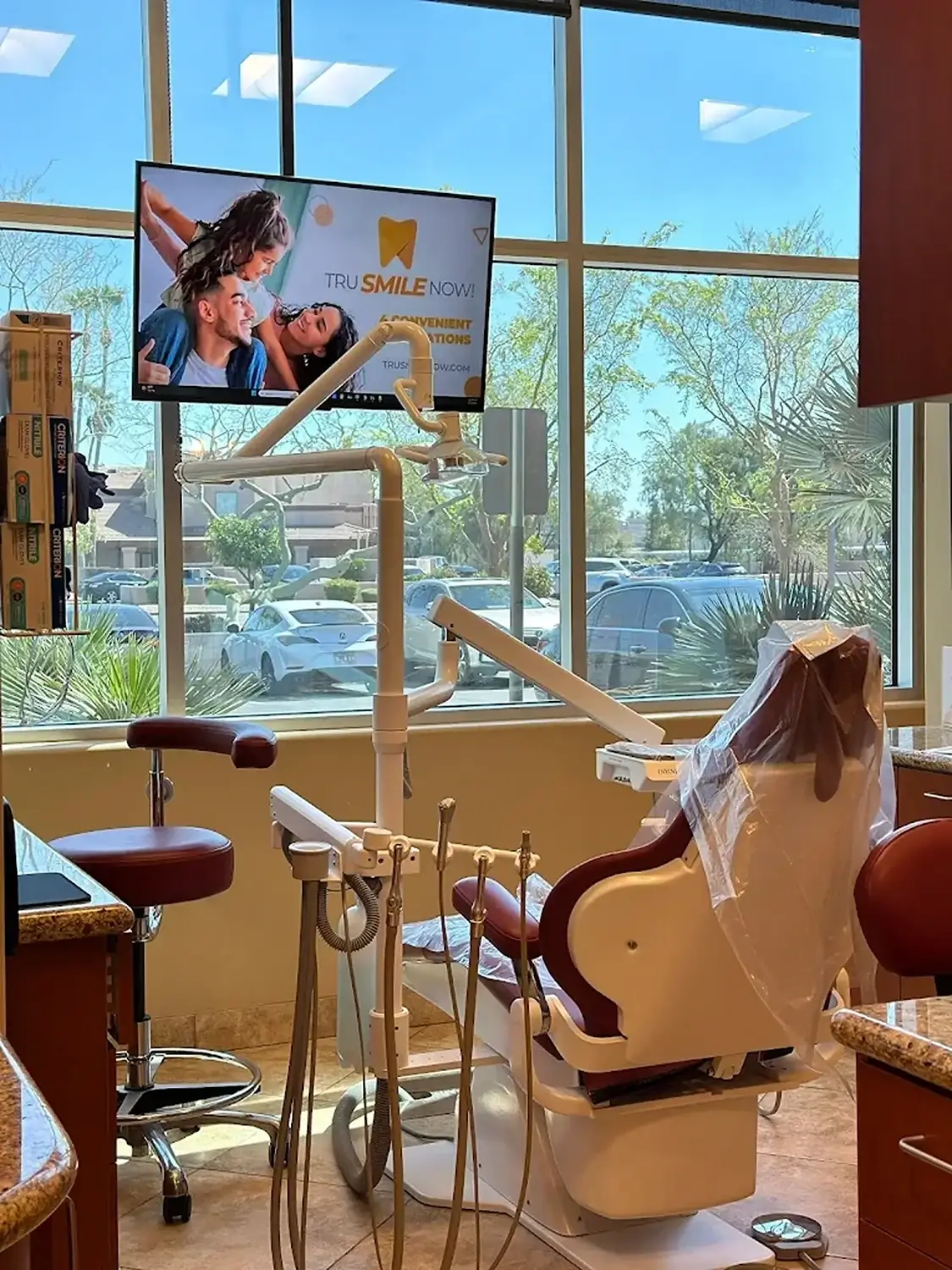
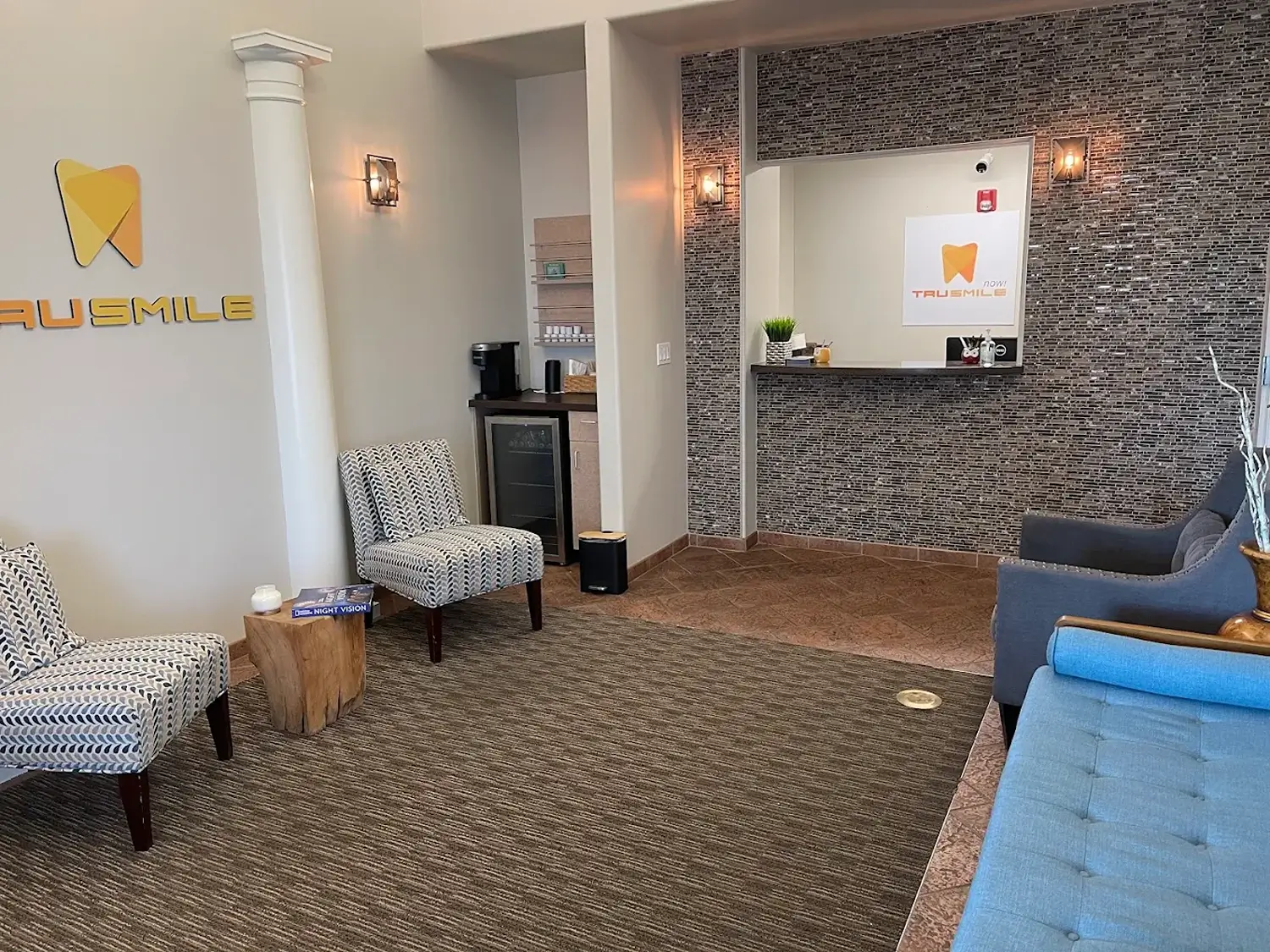
At TruSmile Now, we provide gentle, highly precise root canal therapy designed to relieve severe tooth discomfort and preserve your natural smile. Unaddressed bacterial infections deep within the tooth pulp can spread into the surrounding jawbone and gumline, eventually resulting in full-mouth extractions or complex surgical interventions. Led by Dr. Han Choi, an experienced specialist skilled in advanced root canal procedures, our team serves older adults and families throughout Peoria, AZ. Supported by 3D CT imaging, AI-assisted low-radiation x-rays, and large operatory displays, we ensure your treatment is completely comfortable, transparent, and effective.
When Is Root Canal Therapy Needed?
Root canal therapy is necessary when deep bacterial decay, repeated dental procedures, or traumatic tooth fractures reach the inner pulp chamber of your tooth. The pulp contains sensitive nerve tissues and blood vessels that become inflamed or infected when exposed to bacteria:
- Irreversible pulpitis: Severe inflammation of internal nerve tissue caused by untreated deep cavities.
- Periapical abscess formation: Bacterial infection spreading beyond the root tip into supporting jawbone structure.
- Traumatic root compromise: Internal nerve damage caused by direct physical impacts or severe stress fractures.

Signs & Symptoms Of An Infected Tooth
Recognizing the symptoms of a dental nerve infection allows you to seek timely treatment before irreversible damage occurs. Common warning signs that indicate you may need root canal therapy include:
- Persistent, severe tooth discomfort: Experiencing deep, throbbing pressure while chewing or applying direct biting pressure.
- Heightened temperature sensitivity: Lingering discomfort long after hot or cold foods and liquids touch the tooth.
- Gum tissue swelling and tenderness: Spotting localized pimple-like bumps or tender swelling along your gumline.
- Dark enamel discoloration: A darkening or graying tooth appearance caused by internal nerve tissue necrosis.
How Root Canal Therapy Saves Natural Teeth
Root canal therapy halts progressive internal infection while leaving your natural tooth root intact inside the jawbone. Preserving your natural tooth root maintains original biting strength, prevents surrounding teeth from drifting out of alignment, and avoids the need for bone grafting or dental implants. By removing only the infected inner pulp tissue, root canal treatment preserves your natural oral anatomy.

What To Expect During Root Canal Therapy
Receiving root canal therapy at our Peoria, AZ practice is a streamlined, comfortable procedure supported by advanced diagnostic technology:
- 3D CT imaging and AI diagnostics: Mapping root canal anatomy precisely to identify every internal canal branch.
- Thorough pulp disinfection: Removing infected tissue and gently cleansing root canals with therapeutic irrigants.
- Biocompatible root sealing: Filling cleansed canals with gutta-percha to prevent future bacterial reinfection.
Does Root Canal Therapy Hurt?
Thanks to modern local anesthetics and advanced clinical techniques, root canal therapy is no more uncomfortable than receiving a standard dental filling. Our primary goal is eliminating the uncomfortable pressure caused by active nerve infection. For anxious patients or complex cases, our friendly team offers relaxing sedation choices, including nitrous oxide and IV sedation, ensuring a completely stress-free experience.
Root Canal Therapy Vs. Tooth Extraction
While extracting an infected tooth provides immediate relief, it creates long-term structural complications across your dental arch. Missing teeth cause neighboring teeth to tilt, compromise chewing power, and contribute to progressive jawbone loss over time. Choosing root canal therapy preserves your natural tooth, offering a far more conservative, cost-effective, and long-lasting solution than extracting and replacing the tooth with a bridge or implant.
Restoring Your Tooth After Root Canal Therapy
Following root canal therapy, a tooth no longer receives internal blood supply, making remaining enamel brittle over time. To ensure long-term durability, our doctors place a custom dental crown over the treated tooth. Milled from high-strength ceramic, the custom crown encases the tooth down to the gumline, sealing out bacteria and restoring full chewing function.
Recovery & Aftercare Following Root Canal Therapy
It is normal to experience mild, temporary tenderness around the treated tooth for a few days following your appointment as surrounding tissues heal. Over-the-counter pain relievers or prescribed medications easily manage any mild discomfort. Maintaining regular daily brushing, flossing, and attending routine preventive check-ups at TruSmile Now protects your restored tooth under our practice’s 5-year warranty commitment.

Relieve Your Discomfort & Reserve Your Visit Today
Eliminating tooth discomfort and saving your natural tooth is fast, gentle, and affordable at TruSmile Now. Our caring team offers expert endodontic care, transparent financing options, and soothing comfort amenities for patients across Peoria, AZ. Save your smile and eliminate discomfort—call our office today or contact us online to schedule your root canal evaluation!