Implant-supported dentures offer a permanent solution for missing teeth, but they are not right for everyone. While these restorations provide superior stability compared to traditional dentures, they come with several important drawbacks that patients should understand before committing to treatment. From the surgical requirements and extended healing periods to the significant financial investment and ongoing maintenance needs, implant-supported dentures present challenges that may not fit every lifestyle or budget.
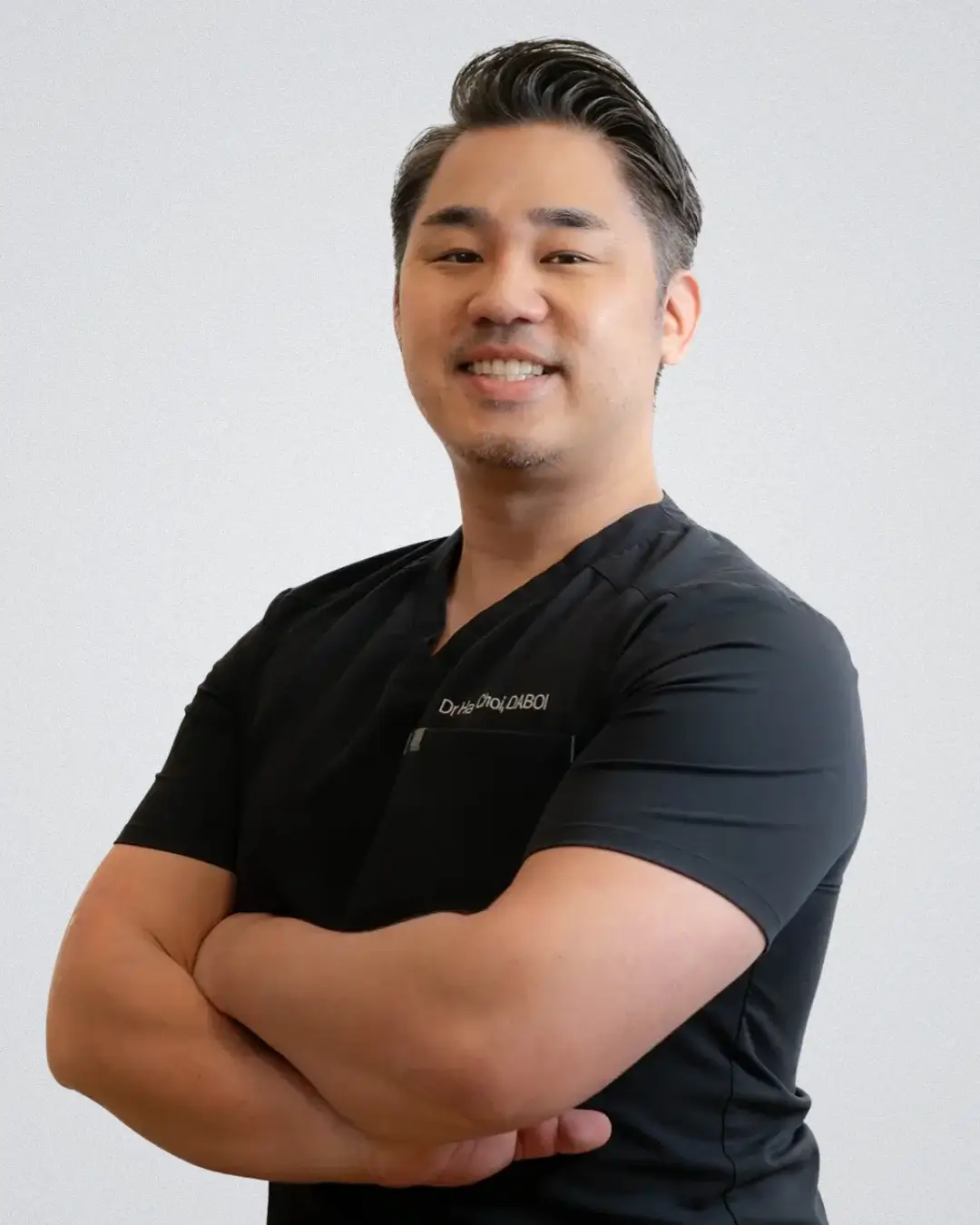
At TruSmile Now, Dr. Han Choi, DDS, DABOI, FAAID, has helped hundreds of patients achieve permanent, beautiful smiles. As a Diplomate of the American Board of Oral Implantology and Fellow of the American Academy of Implant Dentistry, Dr. Han Choi is a board-certified implant specialist who handles the most complex cases, including All-on-4 and full-arch restorations. With experience managing 10 clinics and training over 30 dentists, his expertise is unmatched in the Phoenix metro area.
Understanding the potential disadvantages helps you make an informed decision about whether this treatment aligns with your health goals, financial situation, and personal preferences. Let’s explore the key drawbacks you should consider before moving forward with implant-supported dentures.
💰 SIGNIFICANT UPFRONT COST IS THE PRIMARY BARRIER
The most common disadvantage of implant-supported dentures is the substantial financial investment required. Unlike traditional dentures that might cost $1,500 to $3,000, implant-supported dentures typically range from $3,999 to $13,999 or more depending on the number of implants and materials used.
At TruSmile Now, our Snap-on Dentures with 2 Implants start at $3,999, while Snap-on Dentures with 4 Implants begin at $7,999. For patients seeking the most stable option, All-on-4 with PMMA starts at $9,999, and All-on-4 with Zirconia starts at $13,999. These prices reflect the complexity of the surgical procedure, the quality of materials, and the expertise required.
Most dental insurance plans provide limited coverage for implant-supported dentures, often classifying them as cosmetic rather than medically necessary. According to the American Dental Association, patients should expect to pay a significant portion out of pocket. However, we accept most major insurance including Delta Dental, Cigna, UnitedHealthcare, MetLife, Aetna, and BCBS. We also accept Medicare Part B for medically necessary treatments.
We offer flexible payment plans through Cherry to make treatment affordable. Many patients find that spreading the cost over time makes this investment more manageable.
🏥 SURGICAL PROCEDURE CARRIES INHERENT RISKS
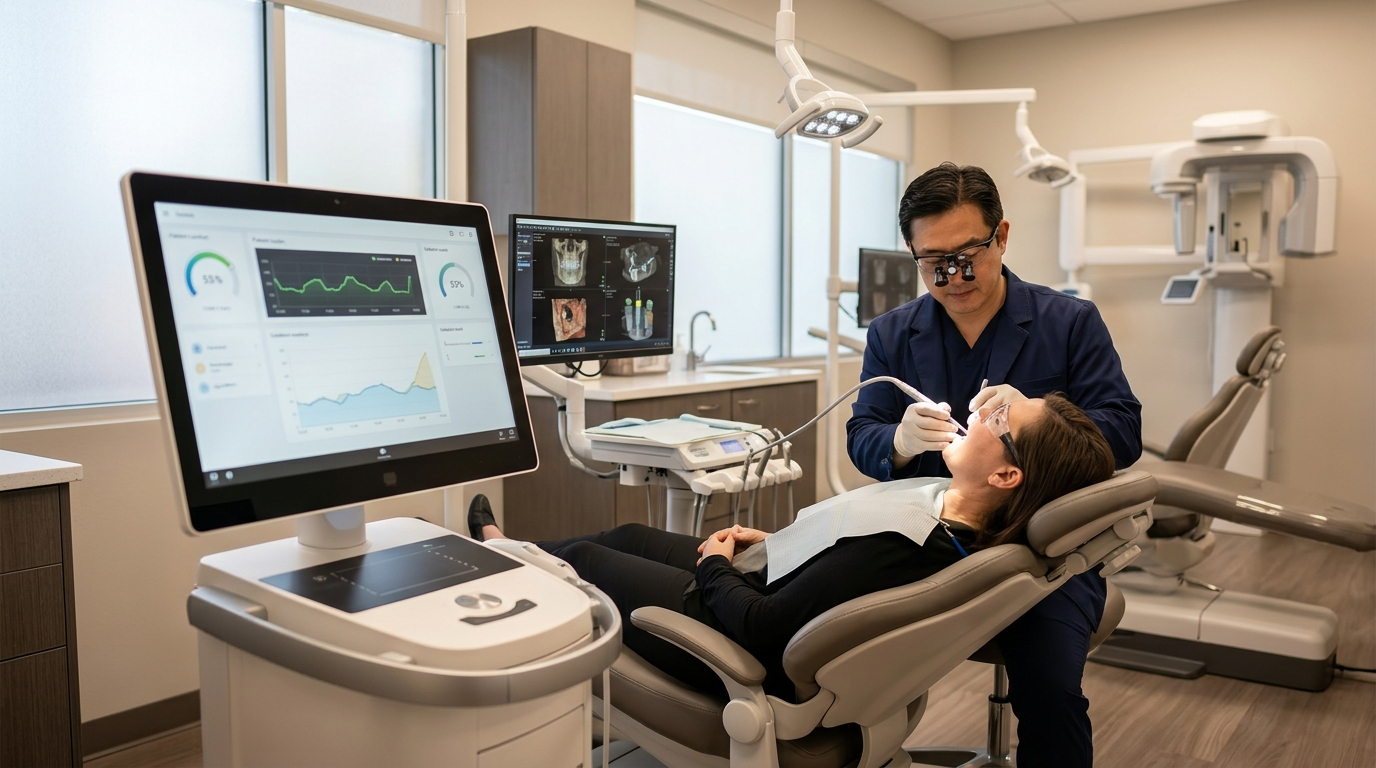
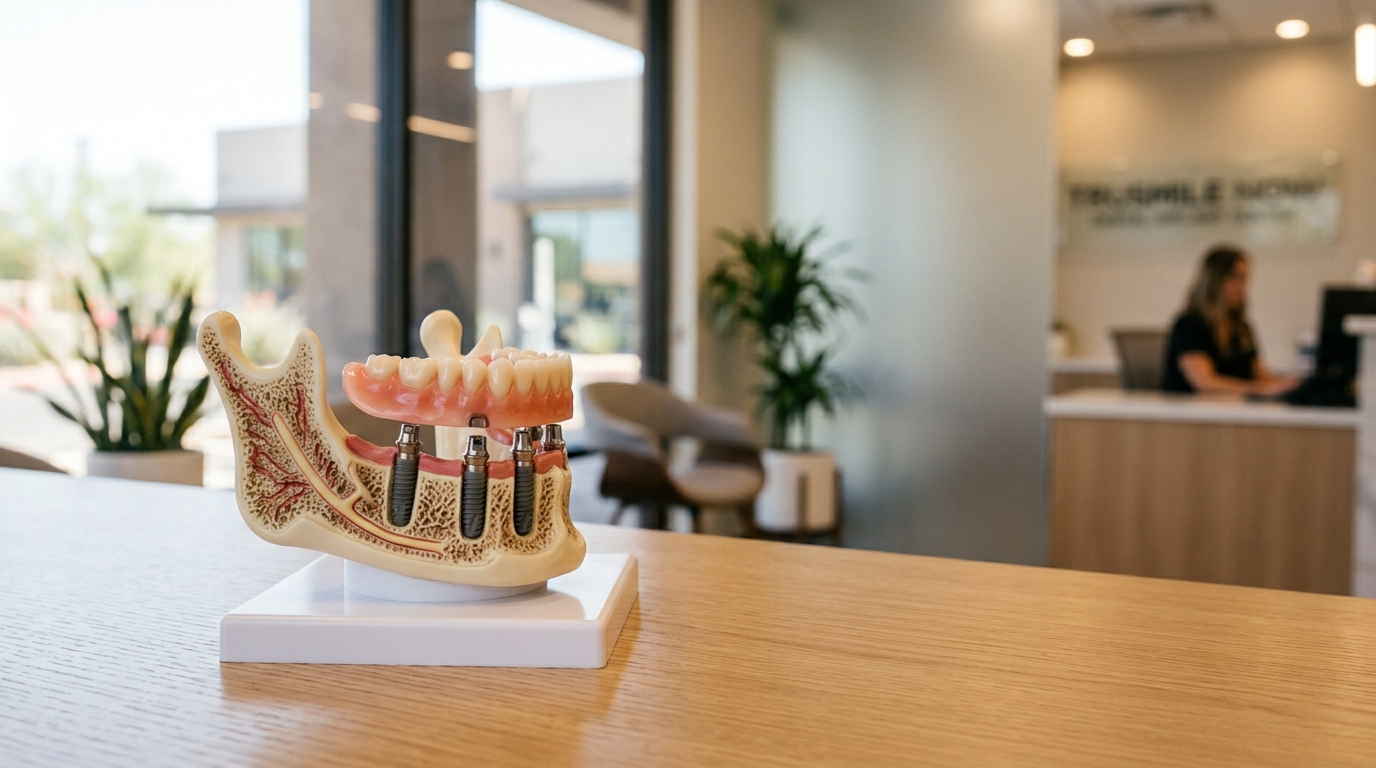
Implant-supported dentures require oral surgery to place titanium posts into your jawbone. While generally safe, any surgical procedure involves potential complications that patients must consider.
Common surgical risks include:
- Infection at the implant site
- Nerve damage causing numbness or tingling
- Sinus perforation in upper jaw placements
- Injury to surrounding teeth or blood vessels
- Excessive bleeding during or after surgery
- Implant failure requiring removal and replacement
According to peer-reviewed research on implant-supported denture complications, the most common issues include loss of retention, mucositis (gum inflammation), abutment screw loosening, and occasional fractures. While serious complications are rare when performed by experienced specialists, they remain a possibility.
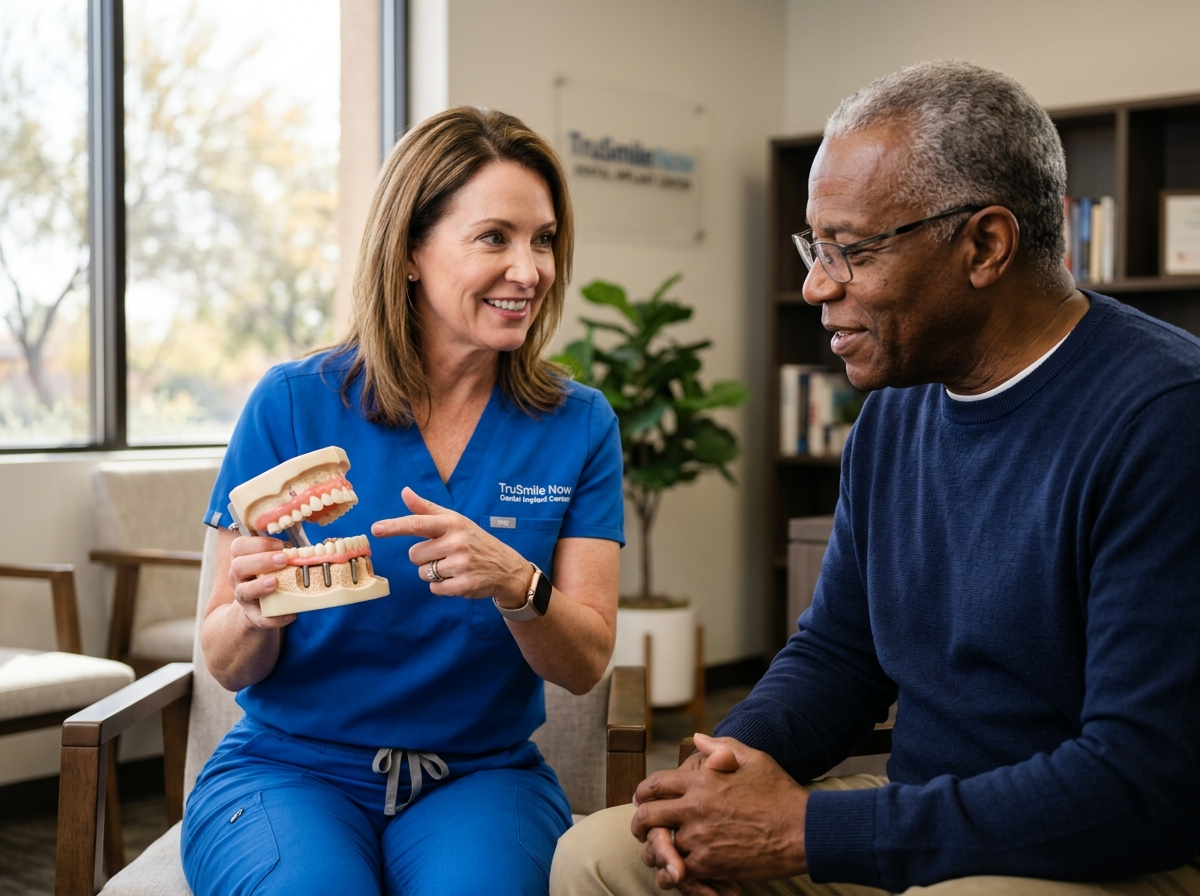
Patients with certain medical conditions face higher surgical risks. Diabetes, autoimmune disorders, osteoporosis, and smoking can all compromise healing and increase the likelihood of complications. Dr. Han Choi carefully evaluates each patient’s medical history and may recommend additional precautions or alternative treatments when necessary.
Not everyone feels comfortable with the idea of oral surgery. Some patients experience significant anxiety about the procedure, which may require sedation dentistry. While we offer various sedation options to ensure comfort, this adds another layer of complexity and cost to the treatment.
⏰ EXTENDED TREATMENT TIMELINE REQUIRES PATIENCE
Unlike traditional dentures that can be fabricated and fitted in a few weeks, implant-supported dentures require a much longer treatment timeline. The entire process typically takes 3 to 6 months, and sometimes up to a year for complex cases.
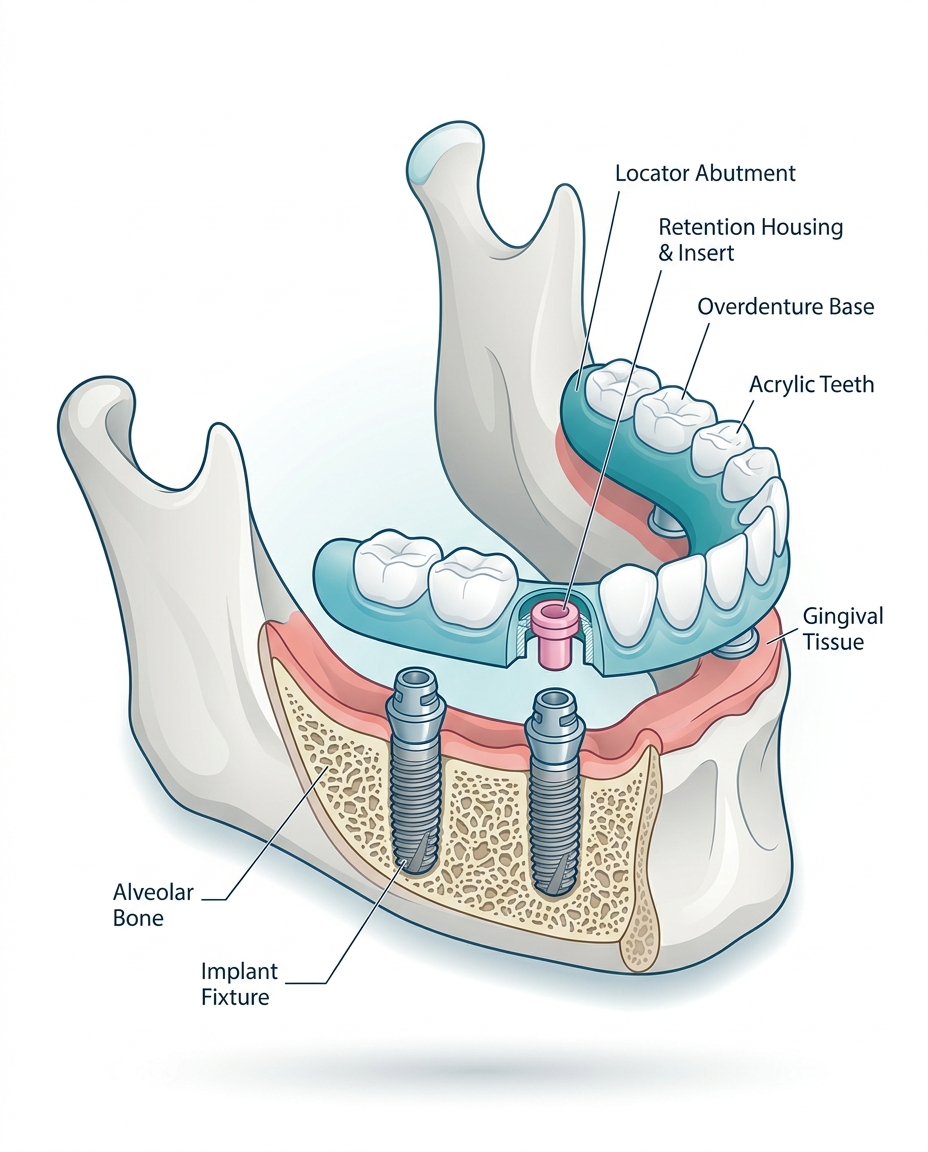
The treatment timeline typically follows these stages:
Initial consultation and planning (1-2 weeks): Comprehensive examination, 3D imaging, treatment planning, and medical clearance if needed.
Implant placement surgery (1 day): Titanium posts are surgically placed into the jawbone under local anesthesia or sedation.
Osseointegration period (3-6 months): The implants must fuse with your jawbone before they can support dentures. This healing phase cannot be rushed without risking implant failure.
Abutment placement (1 day): Small connector pieces are attached to the implants, which may require minor surgery and additional healing time.
Denture fabrication and fitting (2-4 weeks): Custom dentures are created in our state-of-the-art in-house dental lab and adjusted for perfect fit and function.
During the healing period, you may need to wear temporary dentures or go without teeth in certain areas, which can affect your appearance and ability to eat normally. Some patients find this adjustment period emotionally challenging, especially if they have professional or social commitments.
For patients who need bone grafting due to insufficient jawbone density, the timeline extends even further. Bone grafts typically require 4 to 6 additional months of healing before implants can be placed, pushing the total treatment time to a year or more.
🦷 NOT EVERYONE QUALIFIES FOR TREATMENT
A significant disadvantage is that not all patients are suitable candidates for implant-supported dentures. Several factors can disqualify you or require additional preparatory treatments.
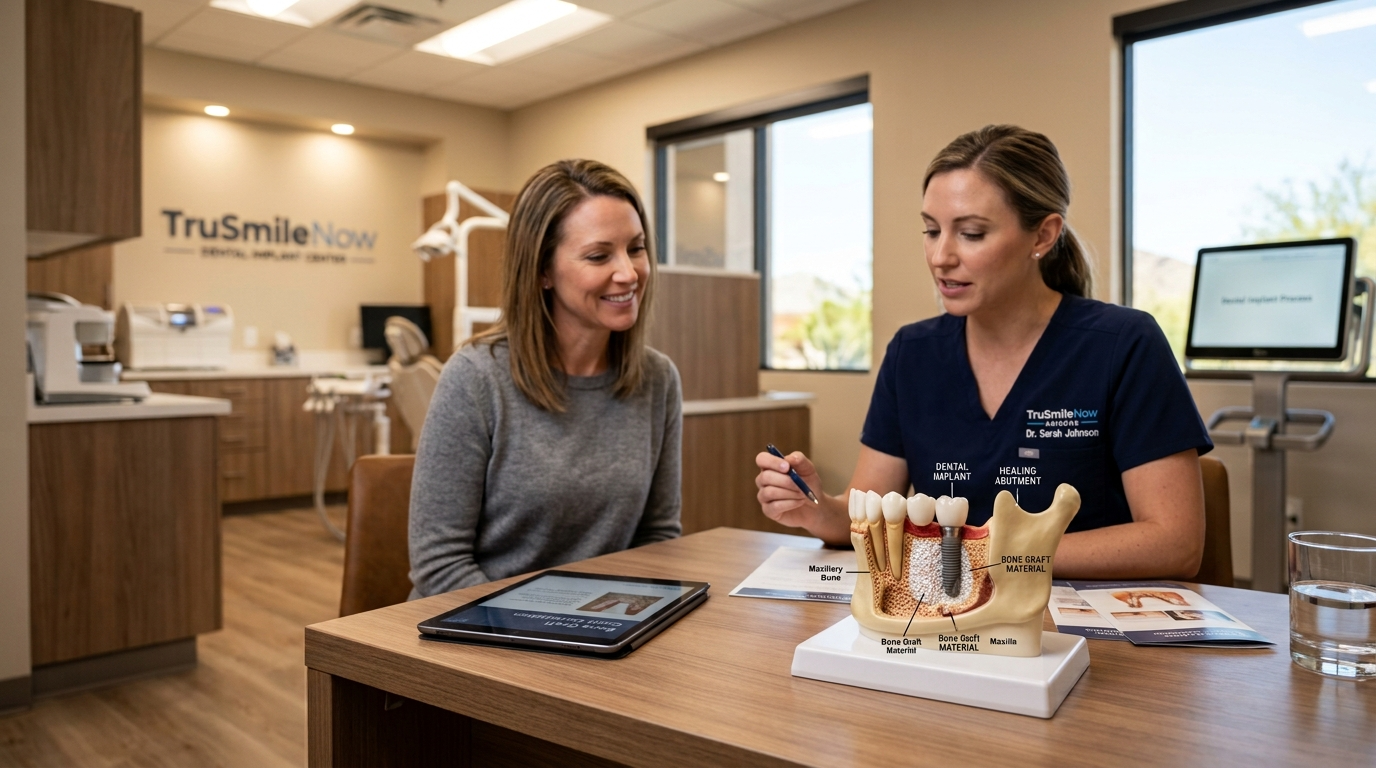
Insufficient bone density is the most common disqualifying factor. Years of missing teeth cause the jawbone to resorb and shrink. If you lack adequate bone volume, implants cannot be placed safely without bone grafting first. This adds months to your treatment timeline and thousands of dollars to the cost.
Active gum disease must be treated and resolved before implant placement. Periodontal infection can cause implant failure, so patients need comprehensive gum disease treatment first.
Uncontrolled diabetes significantly increases the risk of poor healing and implant failure. According to research published by the National Institute of Dental and Craniofacial Research, patients with poorly controlled blood sugar experience higher complication rates.
Smoking dramatically reduces implant success rates. Nicotine restricts blood flow to the gums, impairs healing, and increases infection risk. Dr. Han Choi typically requires patients to quit smoking for at least 2 weeks before surgery and throughout the healing period.
Certain medications like bisphosphonates (used for osteoporosis) and immunosuppressants can interfere with bone healing and increase the risk of complications. Patients taking these medications may not be good candidates.
Age and overall health also play a role. While there is no strict age limit, very elderly patients or those with serious medical conditions may face higher surgical risks that outweigh the benefits.
🔧 ONGOING MAINTENANCE AND POTENTIAL REPAIRS
While implant-supported dentures are more stable than traditional dentures, they still require regular maintenance and may need repairs or replacements over time.
Professional cleanings every 3-6 months are essential to prevent peri-implantitis, an inflammatory condition that can lead to bone loss and implant failure. These specialized cleanings may cost more than standard dental cleanings.
Replacement of attachment components is common. The clips, O-rings, or other connectors that secure removable implant dentures wear out over time and need replacement every 6 months to 2 years, typically costing $200 to $500 per replacement.
Denture relines or replacements may be necessary. Even though the implants themselves can last decades, the denture prosthesis typically needs replacement every 5 to 10 years due to wear, staining, or changes in your mouth structure.
Screw loosening or fracture can occur with fixed implant dentures. According to clinical studies, abutment screw complications affect approximately 5-10% of patients and require professional tightening or replacement.
Implant failure, while uncommon, does happen. Studies show that approximately 5-10% of dental implants fail within the first 10 years. Failed implants must be removed and potentially replaced, adding significant cost and extending treatment time.
Daily home care is more complex than with natural teeth or traditional dentures. You must clean around each implant carefully using special brushes, floss threaders, or water flossers. Inadequate hygiene leads to inflammation and potential implant loss.
😣 RECOVERY PERIOD CAN BE UNCOMFORTABLE
The recovery period following implant placement surgery presents another disadvantage that patients should anticipate. While pain levels vary by individual, most patients experience moderate discomfort for several days to a week.
Common post-surgical symptoms include:
- Swelling of the gums and face for 3-5 days
- Bruising around the surgical site
- Minor bleeding for 24-48 hours
- Difficulty eating solid foods for 1-2 weeks
- Temporary changes in speech
- Sensitivity to hot and cold temperatures
You will need to follow a soft food diet during the initial healing phase, which can be frustrating for patients who enjoy a varied diet. Foods like soup, yogurt, mashed potatoes, and smoothies become staples while your mouth heals.
Most patients need to take time off work, typically 2-3 days for the initial surgery. If you have a physically demanding job or one that requires extensive speaking, you may need additional recovery time.
Pain medication is usually necessary for the first few days. While over-the-counter medications work for many patients, some require prescription pain relievers, which can cause drowsiness and affect your ability to drive or work.
🔍 COMPARING YOUR OPTIONS WITH EXPERT GUIDANCE
Despite these disadvantages, implant-supported dentures remain an excellent option for many patients. The key is understanding whether the benefits outweigh the drawbacks for your specific situation.
Traditional removable dentures cost less upfront and require no surgery, but they slip, reduce chewing efficiency by up to 50%, and accelerate bone loss. They need frequent adjustments and replacements, potentially costing more over a lifetime.
Implant-supported dentures provide superior stability, preserve jawbone, restore nearly full chewing function, and can last decades with proper care. The higher initial investment often proves worthwhile for patients who value quality of life and long-term oral health.
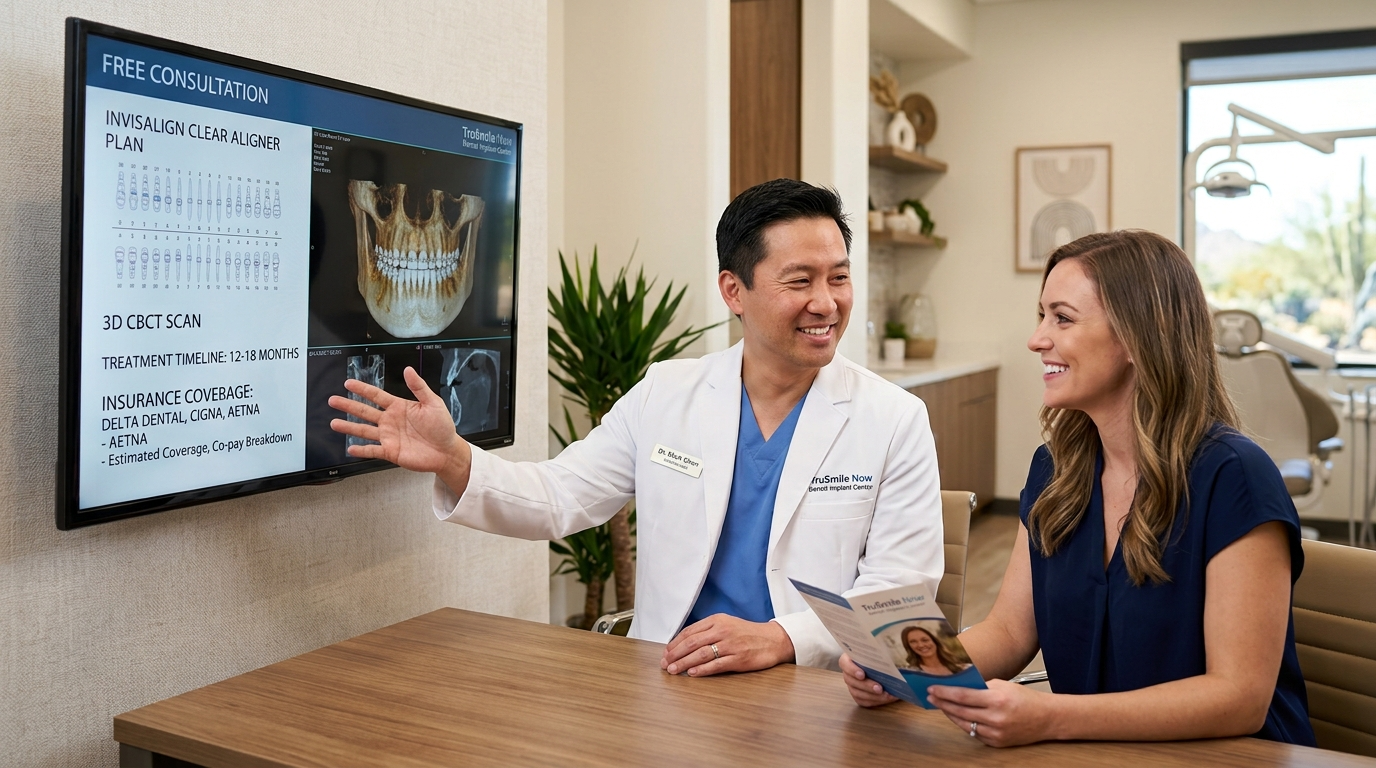
Dr. Han Choi takes time during your consultation to discuss your goals, budget, medical history, and lifestyle factors. Our free consultation includes a 3D Cone Beam CT scan to assess your bone density and determine whether you are a good candidate.
Our state-of-the-art in-house dental lab allows us to fabricate custom prosthetics quickly and make adjustments efficiently, reducing your overall treatment time. This capability, combined with our experienced team and advanced technology, helps minimize many of the disadvantages associated with this treatment.
❓ FREQUENTLY ASKED QUESTIONS
What is the biggest disadvantage of implant-supported dentures?
The biggest disadvantage is the significant upfront cost, which ranges from $3,999 to $13,999 or more depending on the number of implants and materials used. Most dental insurance provides limited coverage, requiring patients to pay a substantial portion out of pocket. However, flexible payment plans through Cherry can make treatment more affordable by spreading costs over time.
How long does the entire implant-supported dentures process take?
The complete process typically takes 3 to 6 months from initial consultation to final denture placement. This includes the surgical placement, a 3-6 month osseointegration period where implants fuse with your jawbone, abutment placement, and denture fabrication. Patients requiring bone grafting may need an additional 4-6 months of healing time before implants can be placed.
What are the risks of implant-supported dentures surgery?
Surgical risks include infection, nerve damage causing numbness or tingling, sinus perforation in upper jaw placements, injury to surrounding structures, excessive bleeding, and potential implant failure. While serious complications are rare when performed by experienced specialists like Dr. Han Choi, patients with diabetes, autoimmune disorders, or who smoke face higher risks. A thorough medical evaluation helps identify and minimize potential complications.
Do implant-supported dentures require special maintenance?
Yes, they require professional cleanings every 3-6 months to prevent peri-implantitis and potential implant failure. Removable implant dentures need attachment component replacements every 6 months to 2 years, costing $200-$500. The denture prosthesis itself typically needs replacement every 5-10 years. Daily home care is more complex than natural teeth, requiring special brushes, floss threaders, or water flossers to clean around each implant properly.
Can everyone get implant-supported dentures?
No, not everyone qualifies for this treatment. Insufficient bone density, active gum disease, uncontrolled diabetes, smoking, and certain medications can disqualify patients or require additional preparatory treatments. Patients lacking adequate jawbone need bone grafting first, which adds months and significant cost. A comprehensive evaluation including 3D imaging helps determine candidacy and identify any necessary preliminary treatments.
What is the recovery like after implant placement surgery?
Most patients experience moderate discomfort for several days to a week following surgery. Common symptoms include swelling for 3-5 days, bruising, minor bleeding for 24-48 hours, and difficulty eating solid foods for 1-2 weeks. You will need to follow a soft food diet during initial healing and may need 2-3 days off work. Pain medication is usually necessary for the first few days, and some patients require prescription relievers that can affect daily activities.
📍 VISIT TRUSMILE NOW – 3 ARIZONA LOCATIONS
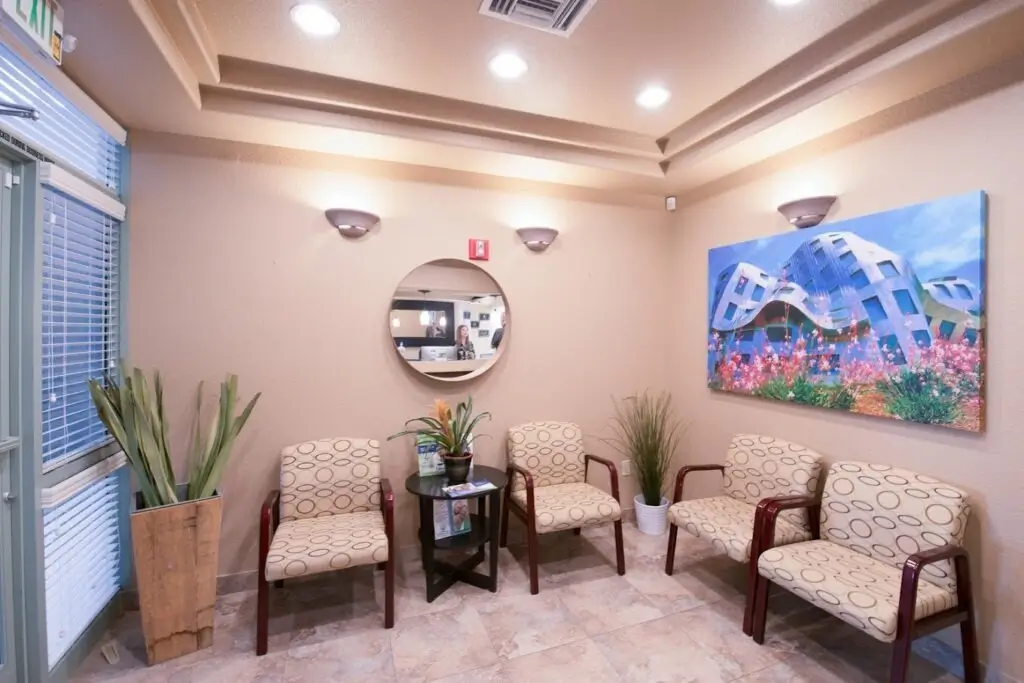
TruSmile Now Peoria
20542 N Lake Pleasant Rd, Suite 113
Peoria, AZ 85382
Phone: (602) 362-0447
Hours: Mon-Thu 9:00 AM – 5:00 PM
TruSmile Now Chandler
2900 W Ray Rd #3
Chandler, AZ 85224
Phone: (480) 393-0687
Hours: Mon-Thu 9:00 AM – 5:00 PM
TruSmile Now Ahwatukee (Phoenix)
4530 E Ray Rd #170
Phoenix, AZ 85044
Phone: (480) 360-4754
Hours: Mon 9-5, Tue 7am-2pm, Wed-Thu 10-7, Fri 8-3, Sat 8am-1pm
Serving Peoria, Chandler, Ahwatukee, Phoenix, Tempe, Mesa, Gilbert, Scottsdale, Glendale, Surprise, and the Greater Phoenix metro area.
New Patient Special: $49 – Includes exam, X-rays, and consultation!
We accept most major insurance including Delta Dental, Cigna, UnitedHealthcare, MetLife, Aetna, BCBS, and more. Medicare Part B accepted for medically necessary treatments.
We offer flexible payment plans through Cherry to make your treatment affordable.
Prefer texting over calling? Lucy, our AI-powered assistant, is always ready to chat. Ask her anything about our services or schedule your visit in seconds.
Ready to explore implant-supported dentures? Call any of our locations or schedule online today!
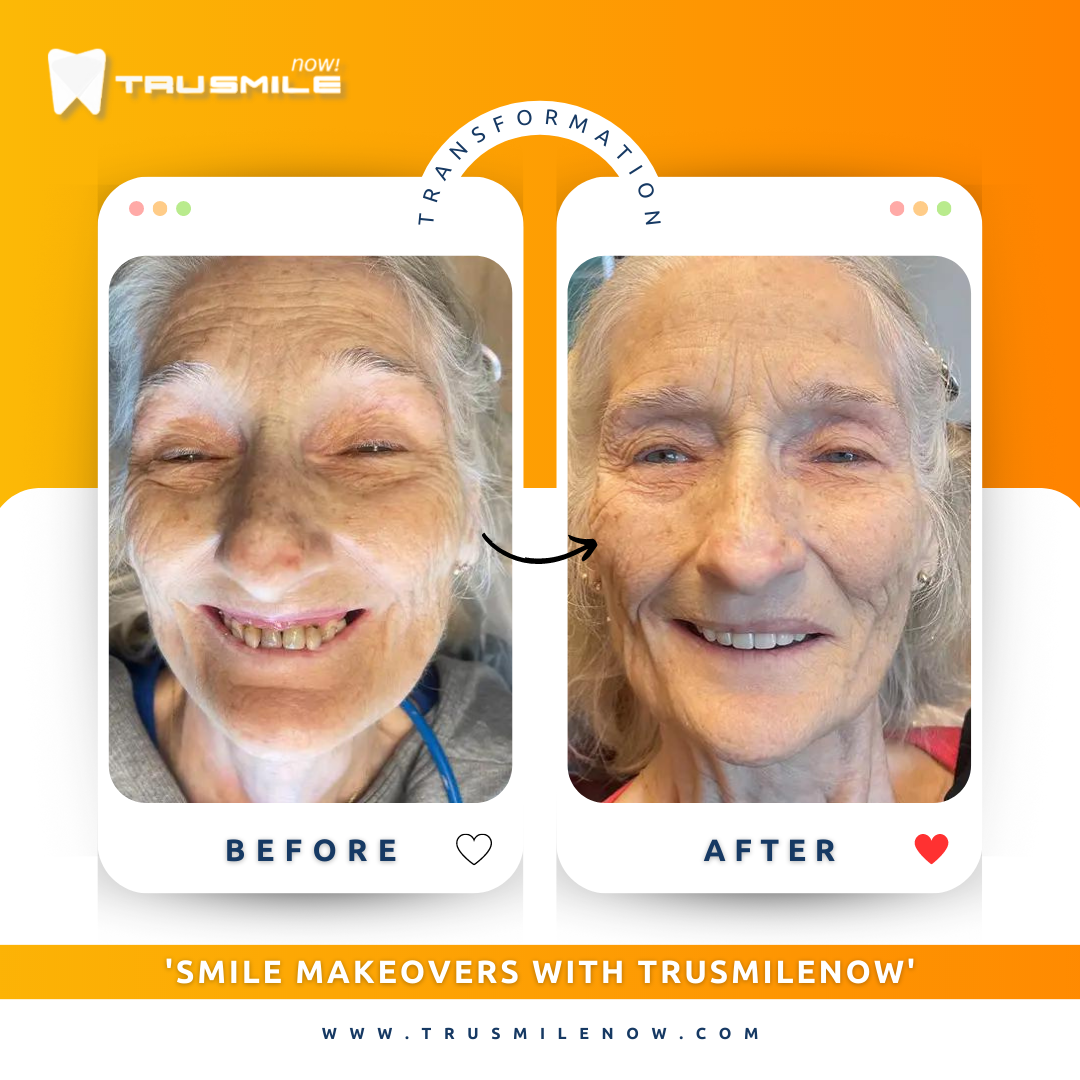
View our before and after gallery to see real patient results!