Dental implants are widely considered the gold standard for tooth replacement, but like any medical procedure, they come with certain challenges and limitations that patients should understand before committing to treatment. While success rates exceed 95% according to peer-reviewed research on implant survival rates, knowing the potential dental implants downsides helps you make an informed decision and set realistic expectations for your journey to a restored smile.
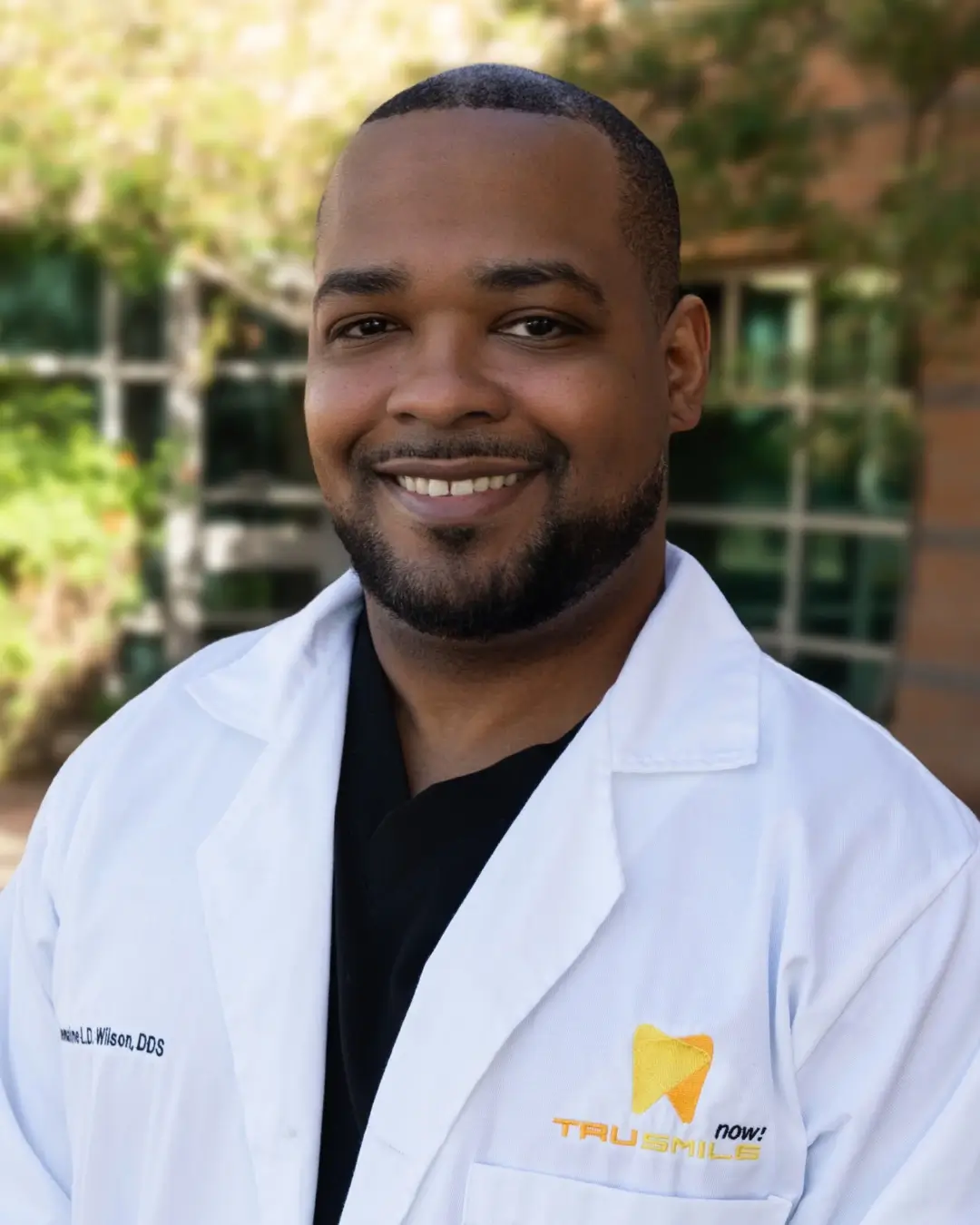
At TruSmile Now, Dr. Wremaine Wilson, DDS, brings a passion for transformative dental care to every implant case. With training in general, cosmetic, and implant dentistry, Dr. Wilson focuses on helping patients regain full function and confidence through permanent tooth replacement solutions.
Understanding the dental implants downsides does not mean this treatment is not right for you. Rather, it empowers you to prepare properly, follow post-operative instructions carefully, and work with an experienced team that can minimize risks and maximize your chances of long-term success.
💰 THE COST FACTOR: DENTAL IMPLANTS DOWNSIDES RELATED TO INVESTMENT
One of the most commonly cited dental implants downsides is the upfront cost. Unlike dentures or bridges that may seem more affordable initially, implants require a significant financial investment. At TruSmile Now, single implants start at $2,699, while full-arch solutions like All-on-4 with PMMA begin at $9,999.
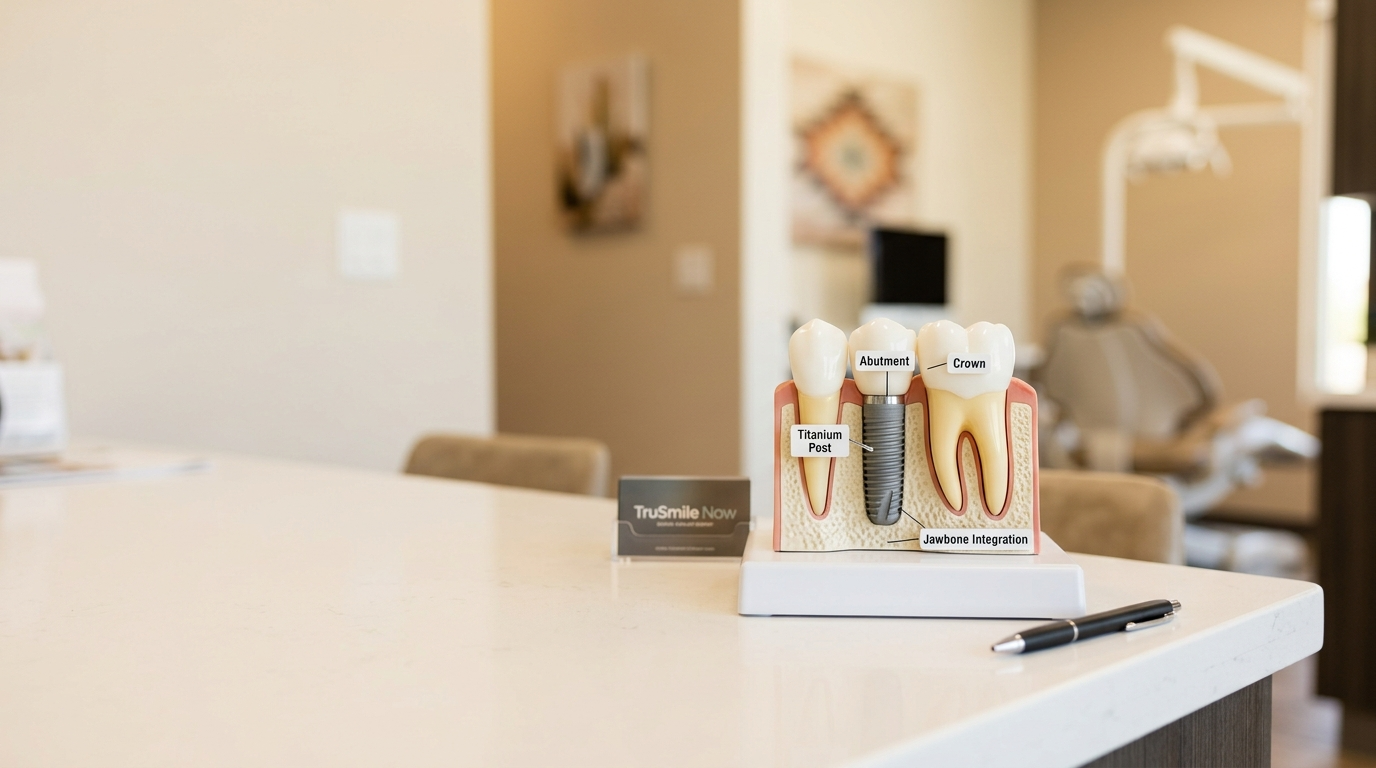
The higher cost reflects several factors. First, implant placement is a surgical procedure requiring specialized training and equipment, including 3D imaging technology. Second, the materials used, particularly titanium posts and custom crowns or bridges, are biocompatible and designed to last decades. Third, the multi-stage process involves initial consultation, surgery, healing time, and final restoration fabrication.
However, when you calculate the long-term value, implants often prove more cost-effective than alternatives that require replacement every 5-10 years. We offer flexible payment plans through Cherry to make treatment affordable, and we accept most major insurance carriers including Delta Dental, Cigna, UnitedHealthcare, and MetLife. We are also one of the few Arizona practices accepting Medicare Part B for medically necessary dental treatments.
The American Dental Association recognizes dental implants as a safe, well-established treatment option, and many patients find that financing options make this investment accessible.
⏱️ EXTENDED TREATMENT TIMELINE: ONE OF THE KEY DENTAL IMPLANTS DOWNSIDES
Unlike getting a filling or even a crown, which can often be completed in one or two visits, the implant process typically spans several months. This extended timeline represents another of the dental implants downsides that patients must consider when planning treatment.
The traditional implant process follows these stages:
- Initial consultation and planning (1-2 weeks): Comprehensive exam, 3D cone beam CT scan, treatment planning
- Implant placement surgery (1 day): Titanium post surgically placed into jawbone
- Osseointegration period (3-6 months): Bone grows around and fuses with the implant
- Abutment placement (1 visit): Connector piece attached to implant
- Final restoration (2-3 weeks): Custom crown, bridge, or denture fabricated and attached
The osseointegration phase, where your jawbone actually grows around the titanium post, cannot be rushed. This biological process is essential for long-term stability but requires patience. Some patients find this waiting period frustrating, especially if the missing tooth is visible when they smile.
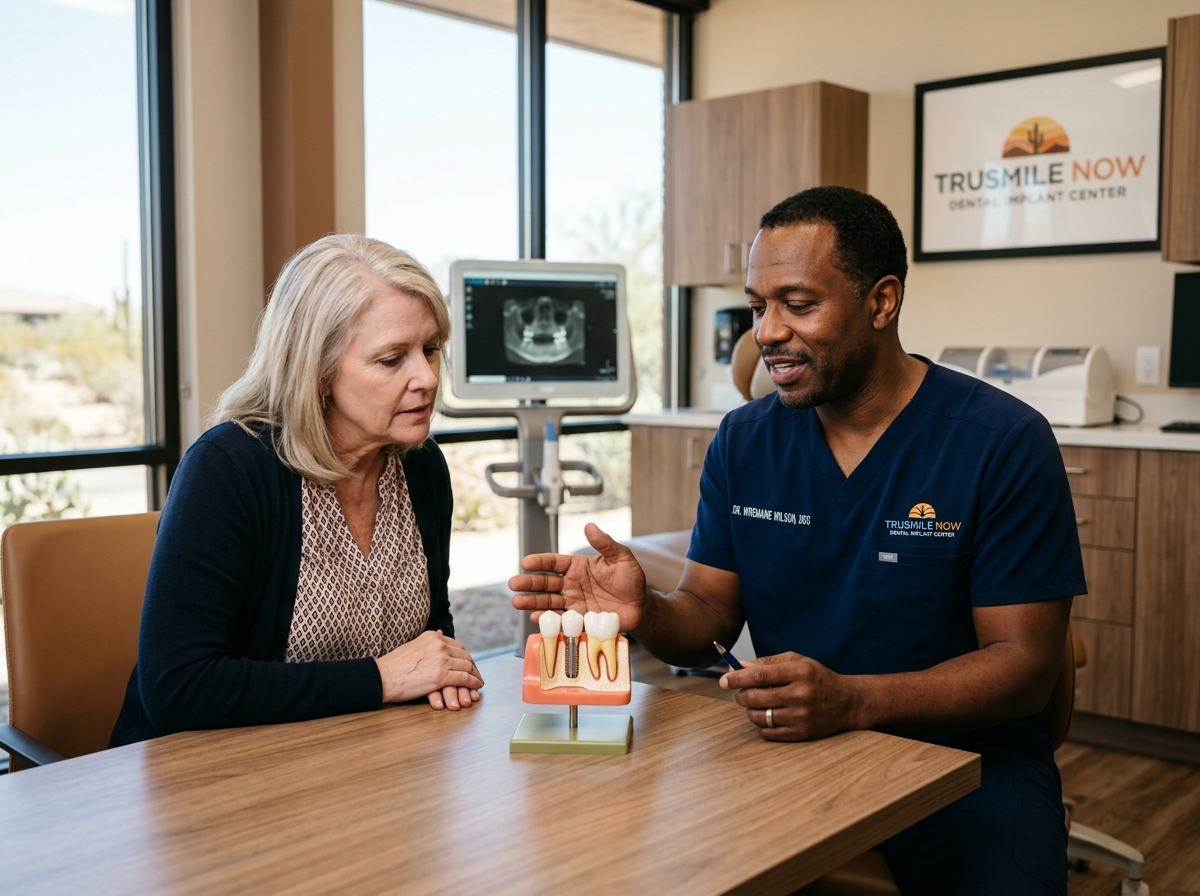
At TruSmile Now, we offer temporary solutions during healing, including provisional crowns or dentures, so you never have to go without teeth. Our state-of-the-art in-house dental lab allows us to fabricate these temporaries quickly, often the same day, minimizing the aesthetic impact of treatment.
For patients replacing multiple teeth or full arches, solutions like All-on-4 can provide immediate function with a temporary prosthesis attached the same day as surgery, though the final restoration still requires several months of healing.
🏥 SURGICAL PROCEDURE RISKS: UNDERSTANDING DENTAL IMPLANTS DOWNSIDES
Because implant placement is a surgical procedure, it carries inherent risks similar to other oral surgeries. These surgical considerations represent important dental implants downsides to discuss with your dentist before proceeding.
Common surgical risks include:
Infection: While rare (occurring in less than 5% of cases), infection at the implant site can compromise healing and potentially lead to implant failure. Proper oral hygiene before and after surgery, along with prescribed antibiotics when indicated, significantly reduces this risk.
Nerve damage: In the lower jaw, implants placed too deeply or at incorrect angles can potentially affect the inferior alveolar nerve, causing numbness or tingling in the lip, chin, or tongue. This complication is extremely rare when treatment is planned using 3D imaging technology, which we provide with every free consultation at TruSmile Now.
Sinus complications: Upper jaw implants, particularly in the molar region, can sometimes protrude into the sinus cavity if insufficient bone exists. This may require sinus lift procedures or bone grafting to correct.
Excessive bleeding or swelling: Some post-operative discomfort is normal, but excessive bleeding or swelling may occur, particularly in patients taking blood thinners or those with certain medical conditions.
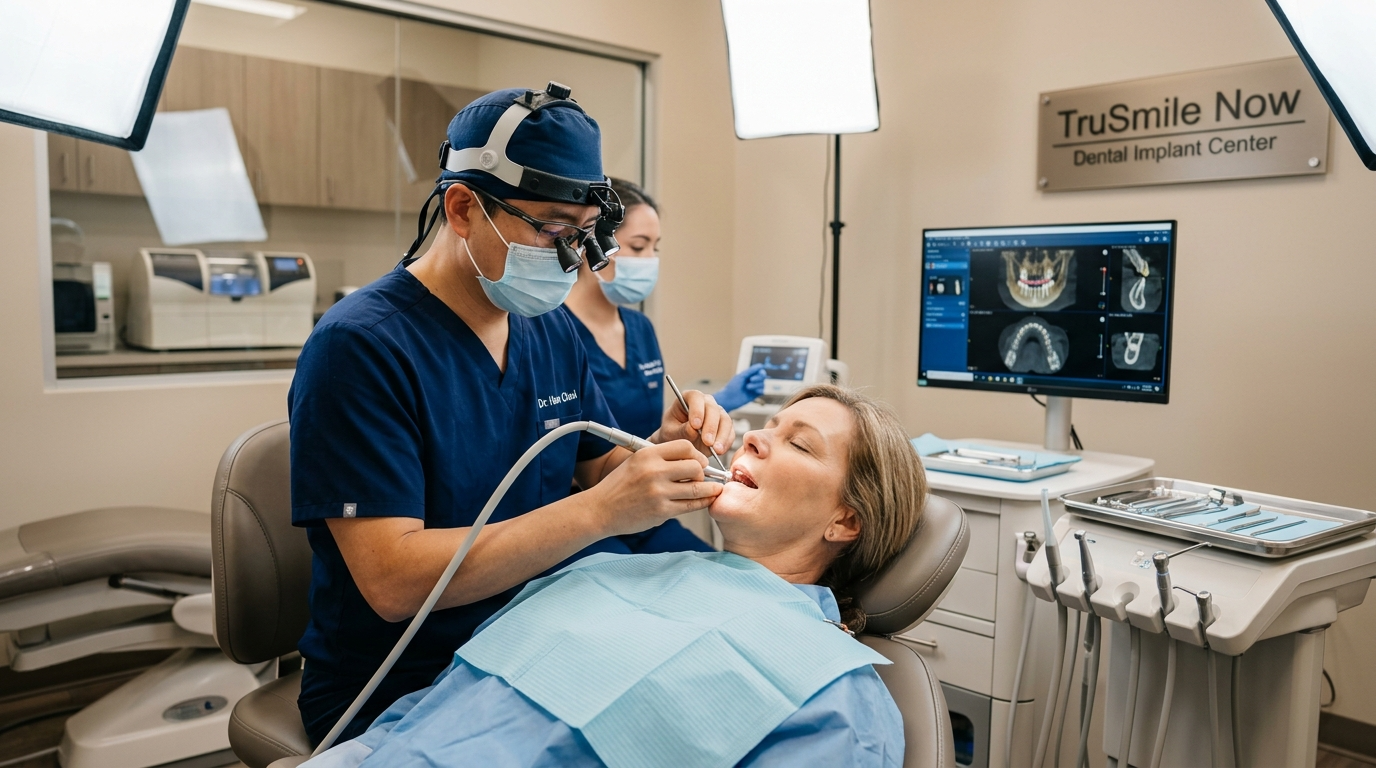
Dr. Wilson’s extensive training in implant dentistry and our use of advanced 3D cone beam technology minimize these risks substantially. We carefully evaluate your medical history, medications, and anatomical considerations before recommending treatment, and we provide detailed pre-operative and post-operative instructions to optimize healing.
🦴 BONE LOSS AND GRAFTING REQUIREMENTS
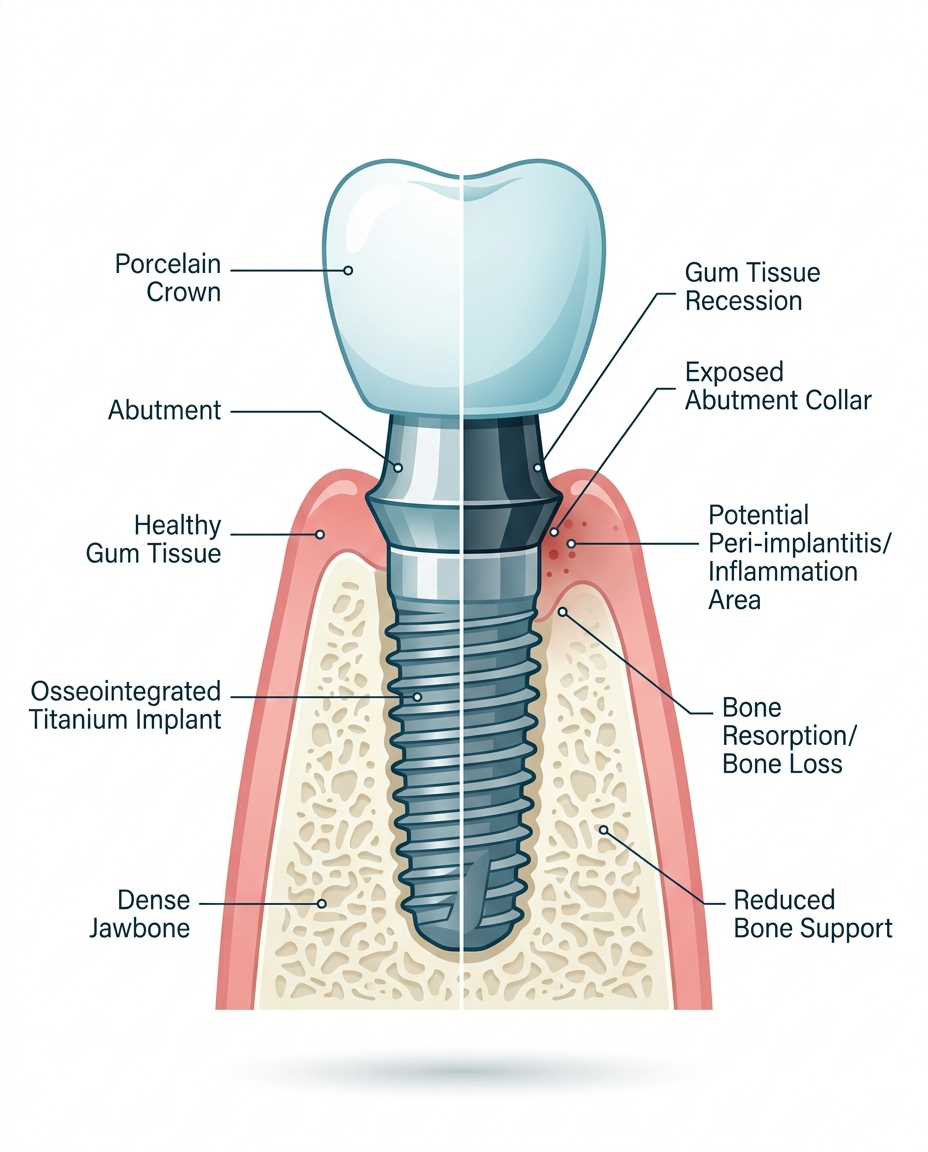
One of the less obvious dental implants downsides emerges when patients have been missing teeth for extended periods. Without tooth roots to stimulate the jawbone, the bone gradually resorbs or shrinks away. This bone loss can make implant placement impossible without first rebuilding the bone through grafting procedures.
Bone grafting adds both time and cost to treatment. The grafting procedure itself requires 3-6 months of healing before implants can be placed, extending the overall timeline significantly. Additionally, bone graft materials and the surgical procedure add to the total investment, though we offer flexible payment plans to help manage these costs.
Not all patients require bone grafting. Our free 3D cone beam CT scan included with every consultation allows Dr. Wilson to precisely measure your existing bone and determine whether grafting is necessary. In some cases, techniques like zygomatic implants or All-on-4 can work around areas of bone loss, eliminating the need for grafting entirely.
Interestingly, once implants are placed and functioning, they actually prevent further bone loss by providing the stimulation that natural tooth roots once delivered. This makes them superior to dentures or bridges, which do nothing to preserve bone and may even accelerate bone loss over time.
⚠️ POTENTIAL FOR IMPLANT FAILURE
While success rates are high, implant failure does occur in approximately 5-10% of cases. This possibility represents one of the dental implants downsides that concerns many patients, particularly given the investment involved.
Early failures typically occur during the first few months when osseointegration should be happening. Factors contributing to early failure include:
- Smoking: Tobacco use significantly impairs healing and reduces blood flow to the surgical site
- Uncontrolled diabetes: High blood sugar interferes with the body’s healing processes
- Poor oral hygiene: Bacteria can prevent proper integration
- Inadequate bone quality or quantity: Soft or insufficient bone may not support the implant
- Excessive force during healing: Chewing on the implant site before osseointegration completes
Late failures, occurring years after successful integration, are usually related to peri-implantitis, an infection similar to gum disease that affects the tissues around the implant. According to research published by the National Institute of Dental and Craniofacial Research, proper oral hygiene and regular professional cleanings are essential for long-term implant success.
At TruSmile Now, we carefully screen patients to identify risk factors before treatment. We may recommend smoking cessation programs, better diabetes management, or preliminary periodontal therapy to optimize your chances of success. Our team of six experienced doctors spanning all specialties ensures comprehensive care throughout your treatment journey.
🔧 MAINTENANCE AND LONG-TERM CARE REQUIREMENTS
While implants themselves cannot develop cavities, they require diligent maintenance to prevent complications. This ongoing care commitment is another aspect of dental implants downsides that patients should understand before treatment.
Implants require:
Daily home care: Brushing twice daily and flossing around implants using specialized floss or interdental brushes. The gum tissue around implants is more susceptible to inflammation than tissue around natural teeth, making thorough cleaning essential.
Regular professional cleanings: Most patients need cleanings every 3-6 months, more frequently than the typical twice-yearly schedule for natural teeth. These visits allow your hygienist to remove plaque and tartar from areas you cannot reach and monitor for early signs of peri-implantitis.
Periodic component replacement: While the implant post itself can last a lifetime, the crown, abutment, or attachment mechanisms may need replacement every 10-15 years due to normal wear. This represents an additional long-term cost to consider.
Protective devices: Patients who grind or clench their teeth need nightguards to protect both implants and natural teeth from excessive forces that can damage restorations or even cause implant failure.
The good news is that patients who maintain excellent oral hygiene and attend regular checkups enjoy success rates exceeding 95% over 10-20 years. Our team provides detailed instructions and ongoing support to help you protect your investment.
🚫 NOT SUITABLE FOR EVERYONE
Perhaps one of the most important dental implants downsides to acknowledge is that not every patient is an ideal candidate. Certain medical conditions, lifestyle factors, or anatomical limitations may make alternative treatments more appropriate.
Patients who may not be good candidates include those with:
- Active cancer treatment: Radiation therapy to the head and neck or chemotherapy can impair healing
- Severe osteoporosis: Particularly when taking bisphosphonate medications, which affect bone metabolism
- Uncontrolled autoimmune disorders: Conditions affecting healing and immune response
- Heavy smoking: Patients unwilling to quit or reduce tobacco use significantly
- Severe bruxism: Grinding forces that cannot be controlled with nightguards
- Insufficient bone: When grafting is not feasible or desired
- Young patients: Jawbone growth must be complete, typically by late teens or early twenties
During your free consultation at TruSmile Now, Dr. Wilson conducts a comprehensive evaluation including medical history review, clinical examination, and 3D imaging to determine whether you are a good candidate. If implants are not appropriate, we discuss alternative solutions like bridges, dentures, or mini implants that may better suit your situation.
Honest communication about candidacy is essential. We never recommend treatment that is not in your best interest, even if it means suggesting a less expensive or simpler alternative.
✅ WEIGHING THE DOWNSIDES AGAINST THE BENEFITS
Understanding dental implants downsides is crucial, but these challenges must be weighed against the substantial benefits this treatment provides. For most patients, the advantages far outweigh the disadvantages.
Benefits include:
- Natural appearance and function: Implants look, feel, and function like natural teeth
- Bone preservation: Prevents the bone loss that occurs with missing teeth
- No damage to adjacent teeth: Unlike bridges, which require grinding down healthy teeth
- Improved nutrition: Ability to eat any food without restrictions
- Enhanced confidence: No worries about dentures slipping or clicking
- Longevity: Can last a lifetime with proper care
- Better oral health: Easier to clean than bridges or dentures
For many patients, the ability to eat, speak, and smile confidently without thinking about their teeth is priceless. The initial investment and temporary inconvenience of treatment pale in comparison to decades of improved quality of life.
At TruSmile Now, our state-of-the-art in-house dental lab allows us to fabricate high-quality restorations quickly and precisely, reducing the number of appointments required and ensuring optimal fit and aesthetics. This efficiency helps minimize one of the key dental implants downsides related to treatment time.
📋 FREQUENTLY ASKED QUESTIONS
What are the main dental implants downsides I should know about?
The primary downsides include upfront cost (single implants starting at $2,699), extended treatment timeline (3-6 months for osseointegration), surgical risks like infection or nerve damage, potential need for bone grafting, and the small possibility of implant failure (5-10% of cases). However, success rates exceed 95% when performed by experienced practitioners, and financing options make treatment accessible for most patients.
How long does the dental implant process actually take?
Traditional implant treatment typically takes 4-6 months from initial surgery to final restoration. This includes the 3-6 month osseointegration period when bone fuses with the titanium post. If bone grafting is needed, add another 3-6 months. Solutions like All-on-4 can provide immediate temporary teeth the same day as surgery, though final restorations still require several months of healing.
Are dental implants painful?
The surgery itself is performed under local anesthesia, so you feel no pain during the procedure. Post-operative discomfort is typically manageable with over-the-counter pain medication and usually subsides within 3-7 days. Most patients report that the discomfort is less than they anticipated and comparable to a tooth extraction. We provide detailed post-operative instructions and same-day emergency appointments if any concerns arise during healing.
What causes dental implants to fail?
Early failures during the first few months typically result from poor osseointegration due to smoking, uncontrolled diabetes, infection, inadequate bone quality, or excessive force on the implant during healing. Late failures occurring years later are usually caused by peri-implantitis, an infection similar to gum disease that develops when oral hygiene is inadequate. Regular professional cleanings and excellent home care prevent most late failures.
Does insurance cover dental implants?
Coverage varies by plan. Many dental insurance policies provide partial coverage for implants, typically 50% after deductibles, though some plans exclude implants entirely. TruSmile Now accepts most major insurance carriers including Delta Dental, Cigna, UnitedHealthcare, MetLife, Aetna, and BCBS. We are also one of the few Arizona practices accepting Medicare Part B for medically necessary dental treatments. Our team verifies your benefits before treatment and offers flexible payment plans through Cherry to make care affordable.
Can I get dental implants if I have bone loss?
Yes, but you may require bone grafting first to rebuild sufficient bone structure. Our free 3D cone beam CT scan included with every consultation allows Dr. Wilson to precisely measure your existing bone and determine the best approach. In some cases, techniques like zygomatic implants or All-on-4 can work around areas of bone loss, potentially eliminating the need for grafting. We discuss all options during your consultation and create a personalized treatment plan.
📍 VISIT TRUSMILE NOW – 3 ARIZONA LOCATIONS

TruSmile Now Peoria
20542 N Lake Pleasant Rd, Suite 113
Peoria, AZ 85382
Phone: (602) 362-0447
Hours: Mon-Thu 9:00 AM – 5:00 PM
TruSmile Now Chandler
2900 W Ray Rd #3
Chandler, AZ 85224
Phone: (480) 393-0687
Hours: Mon-Thu 9:00 AM – 5:00 PM
TruSmile Now Ahwatukee (Phoenix)
4530 E Ray Rd #170
Phoenix, AZ 85044
Phone: (480) 360-4754
Hours: Mon 9-5, Tue 7am-2pm, Wed-Thu 10-7, Fri 8-3, Sat 8am-1pm
Serving Peoria, Chandler, Ahwatukee, Phoenix, Tempe, Mesa, Gilbert, Scottsdale, Glendale, Surprise, and the Greater Phoenix metro area.
New Patient Special: $49 – Includes exam, X-rays, and consultation!
We accept most major insurance including Delta Dental, Cigna, UnitedHealthcare, MetLife, Aetna, BCBS, and more. Medicare Part B accepted for medically necessary treatments.
We offer flexible payment plans through Cherry to make your treatment affordable.
Prefer texting over calling? Lucy, our AI-powered assistant, is always ready to chat. Ask her anything about our services or schedule your visit in seconds.
Ready to understand if dental implants are right for you despite the downsides? Call any of our locations or schedule online today!
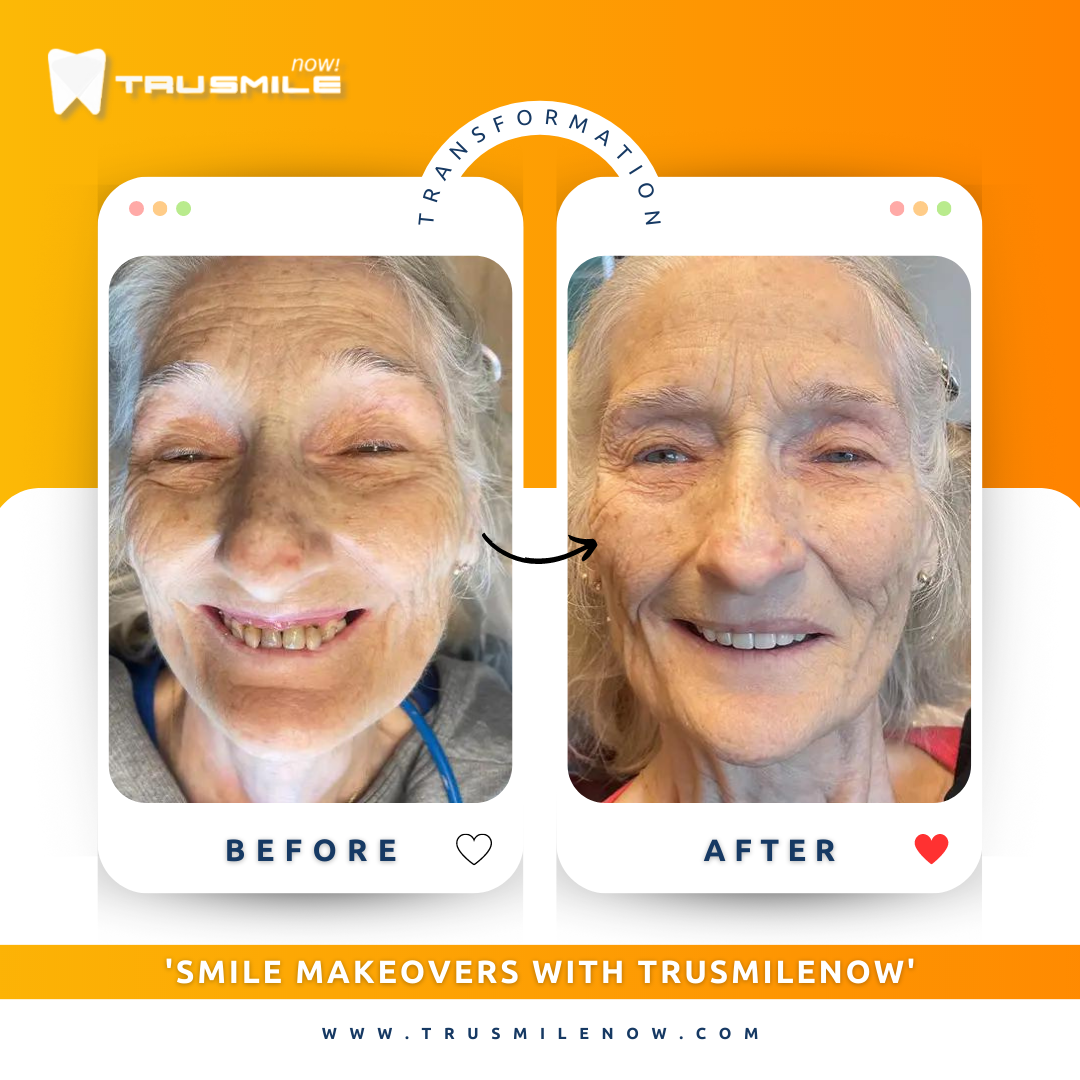
View our before and after gallery to see real patient results!