If you are considering a single dental implant, you are probably wondering just how much it will hurt. The good news is that most patients are pleasantly surprised by how manageable dental implant pain actually is. Thanks to modern anesthesia and precise surgical techniques, the procedure itself is virtually painless, and recovery discomfort is typically less intense than a tooth extraction.
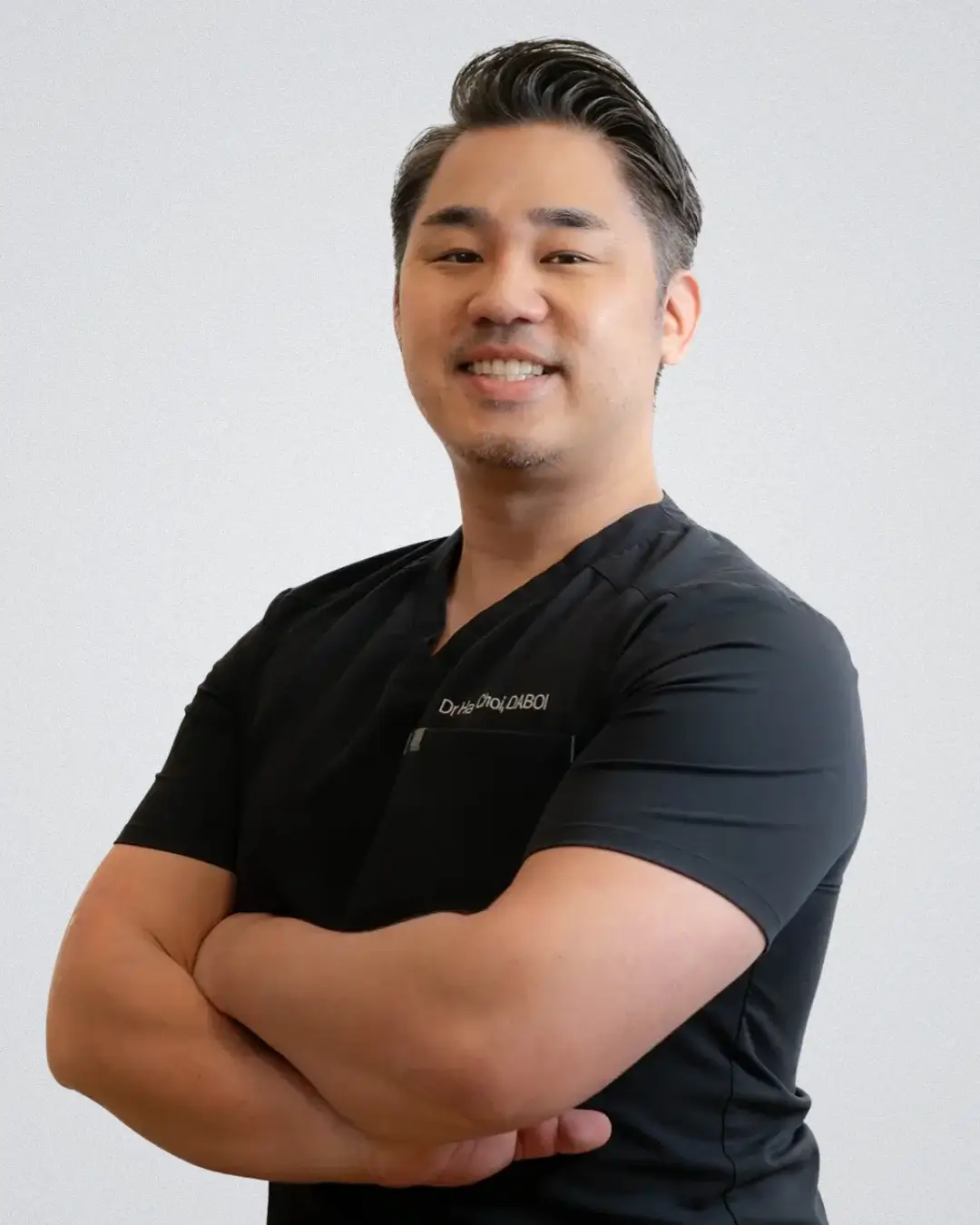
At TruSmile Now, Dr. Han Choi, DDS, DABOI, FAAID, has helped hundreds of patients achieve permanent, beautiful smiles. As a Diplomate of the American Board of Oral Implantology and Fellow of the American Academy of Implant Dentistry, Dr. Han Choi is a board-certified implant specialist who handles the most complex cases, including All-on-4 and full-arch restorations. With experience managing 10 clinics and training over 30 dentists, his expertise is unmatched in the Phoenix metro area.
In this comprehensive guide, we will break down exactly what to expect regarding dental implant pain during and after your procedure, share real patient experiences, and explain how TruSmile Now keeps you comfortable every step of the way.
⚕️ WHAT CAUSES DENTAL IMPLANT PAIN?
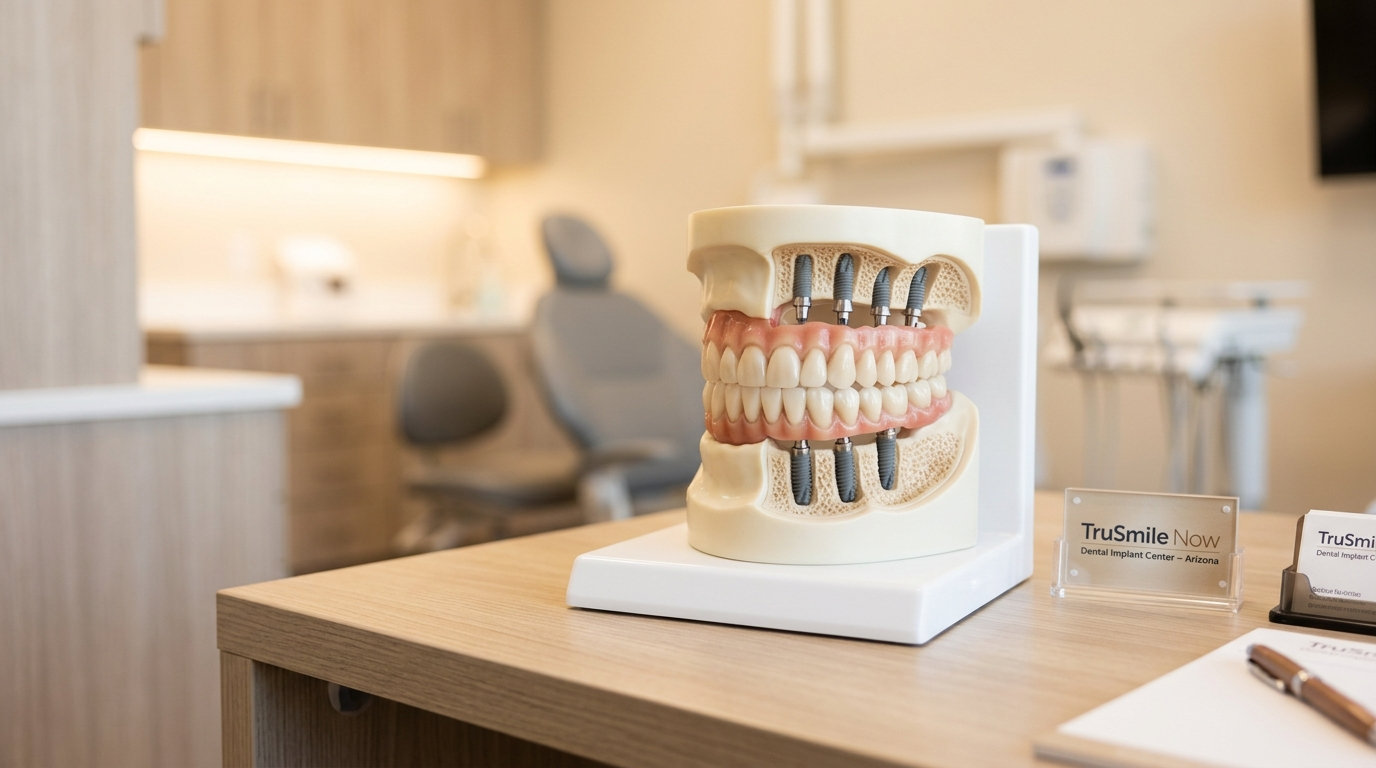
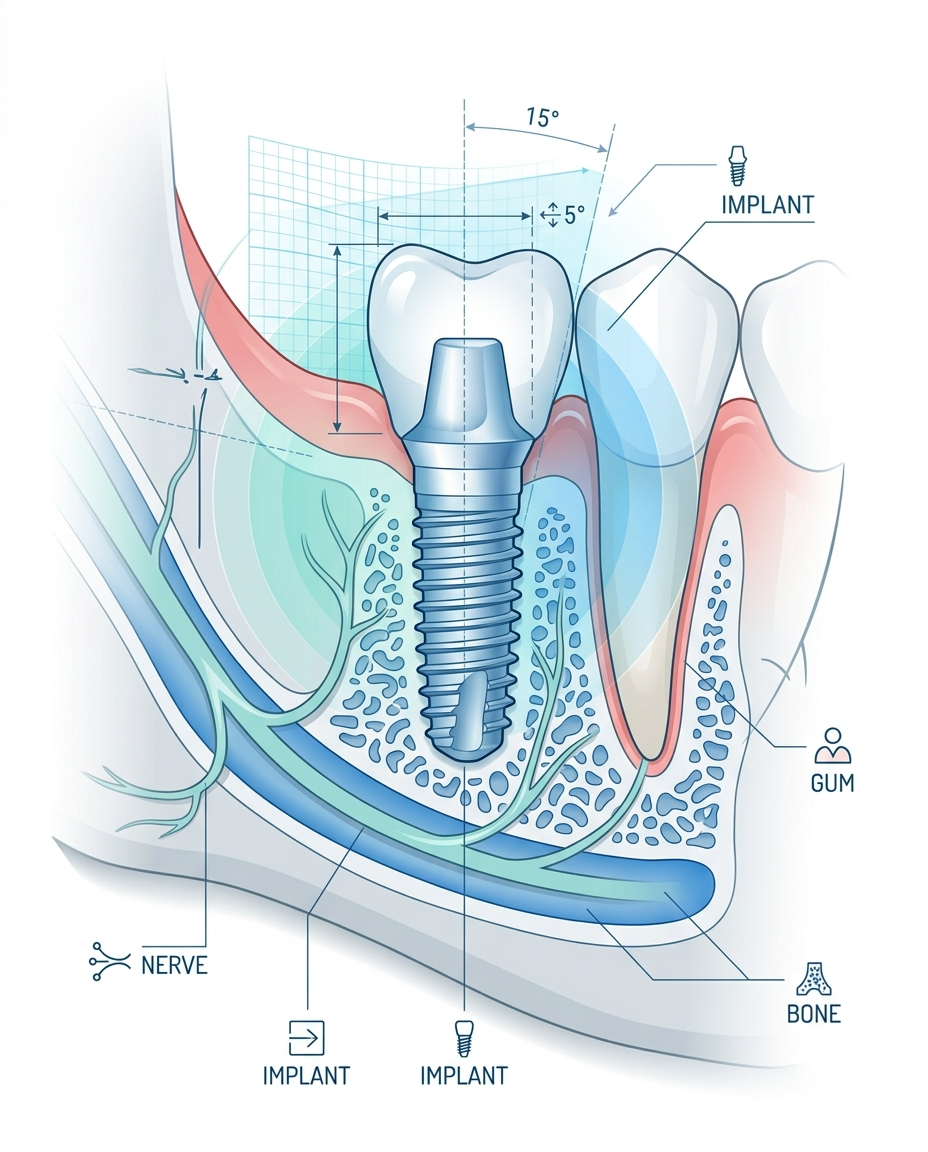
Understanding the source of dental implant pain helps set realistic expectations. A dental implant is a small titanium post surgically placed into your jawbone to replace a missing tooth root. The procedure involves making an incision in your gum tissue, creating a precise channel in the bone, and inserting the implant.
While this sounds invasive, the reality is that bone tissue has very few nerve endings compared to other parts of your body. Most discomfort comes from the soft tissue manipulation rather than the bone work itself. According to the American Dental Association, dental implants are a safe, well-established treatment with predictable outcomes when performed by experienced specialists.
The healing process triggers a natural inflammatory response as your body integrates the implant through osseointegration. This biological process can cause mild to moderate soreness, similar to what you might experience after minor oral surgery.
😴 PAIN DURING THE DENTAL IMPLANT PROCEDURE
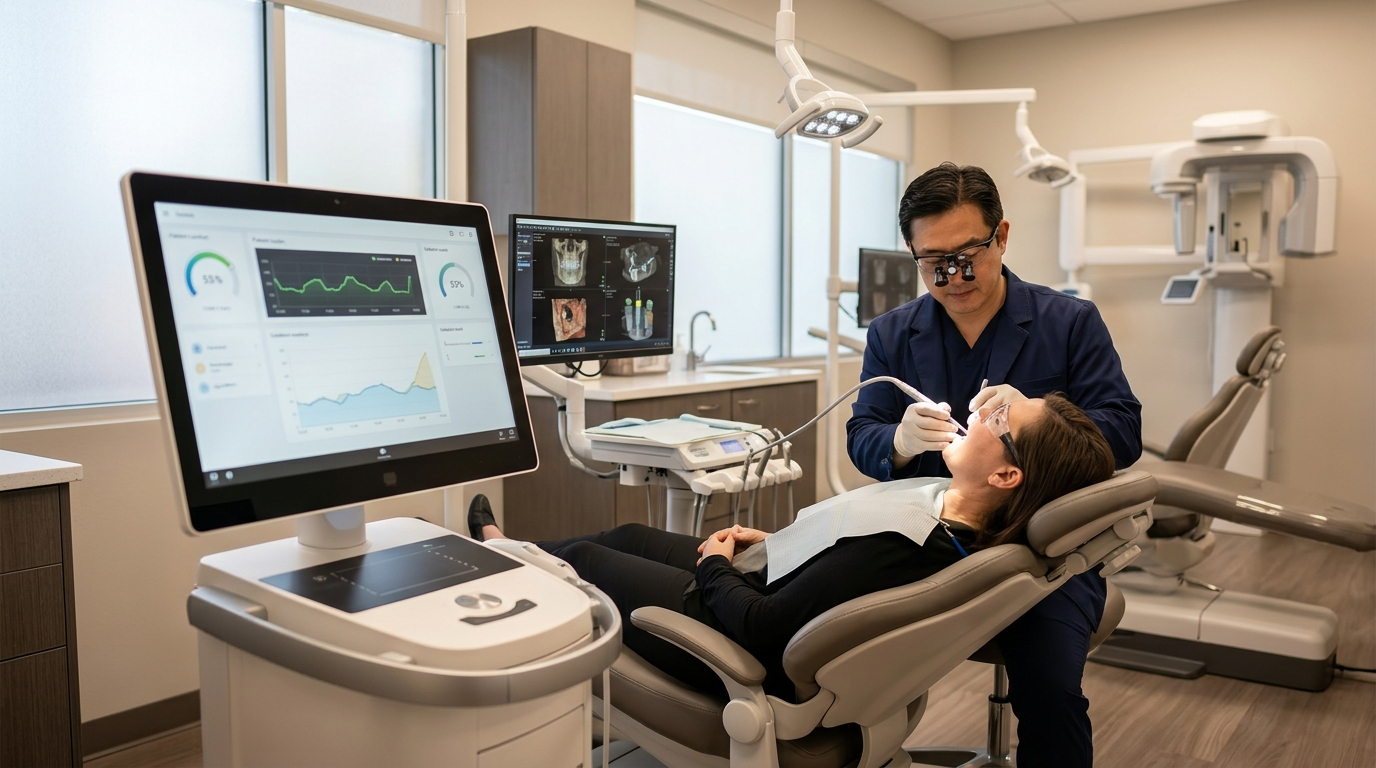
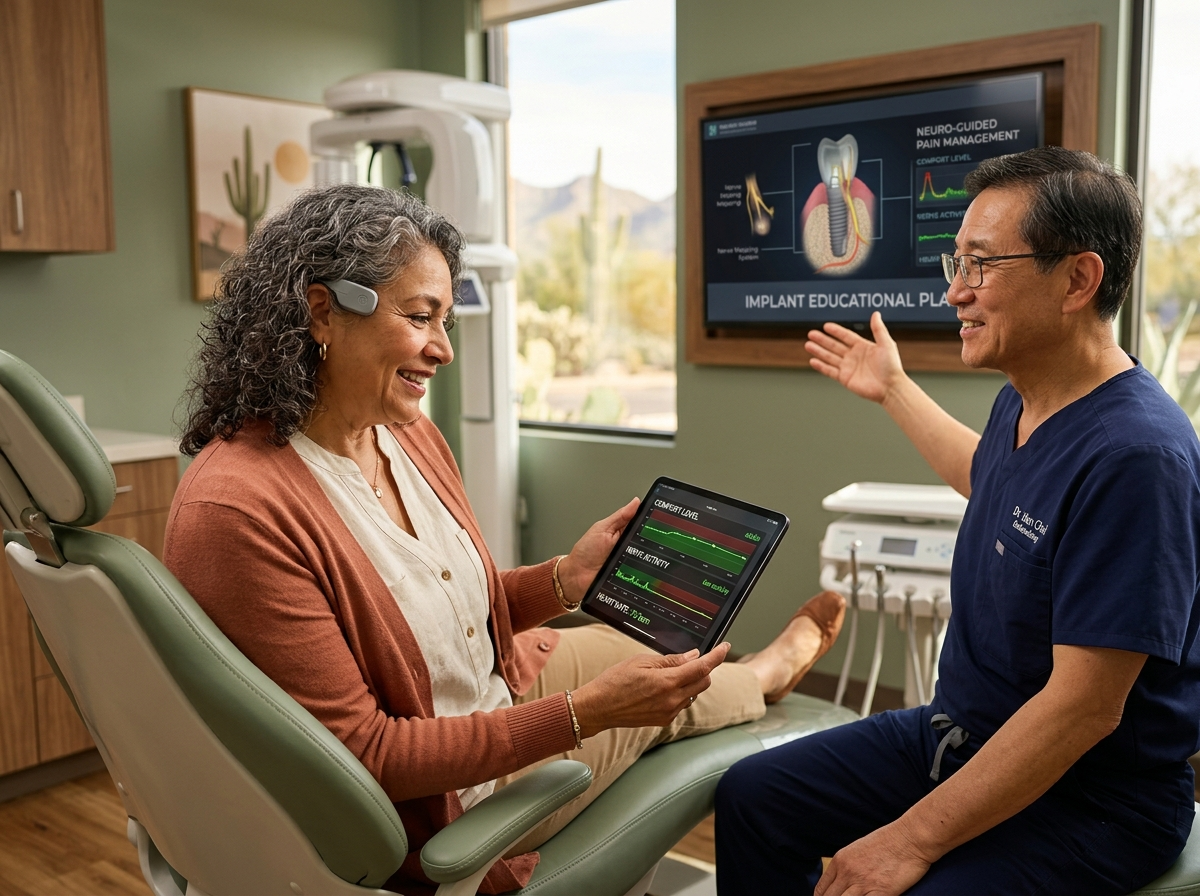
Here is the truth: you should feel absolutely no pain during dental implant surgery. Dr. Han Choi uses multiple anesthesia options to ensure complete comfort throughout the procedure.
Local Anesthesia: The Standard Approach
For a single implant, local anesthesia is typically all that is needed. This numbing medication blocks pain signals from the surgical site completely. You will feel pressure and movement, but no sharp or shooting pain. Many patients compare the sensation to having a cavity filled.
The injection itself causes a brief pinch, but modern techniques and topical numbing gels minimize even this minor discomfort. Within minutes, the entire area becomes numb and remains that way throughout the 30 to 60-minute procedure.
Sedation Options for Anxious Patients
If you experience dental anxiety, TruSmile Now offers sedation dentistry options. Oral conscious sedation or IV sedation can help you feel relaxed and calm while remaining responsive. Some patients remember little to nothing about the procedure afterward.
Dr. Han Choi will discuss your medical history, anxiety levels, and preferences to determine the best anesthesia approach for your situation. The goal is always zero pain and maximum comfort.
📊 PAIN AFTER DENTAL IMPLANT SURGERY: REAL PATIENT DATA
The recovery period is when most patients experience discomfort. However, research and patient surveys consistently show that dental implant pain is less severe than many people expect.
What the Numbers Say
Studies tracking post-operative discomfort reveal that most patients rate their pain between 2 and 4 on a 10-point scale during the first 24 to 48 hours. By day three or four, discomfort typically drops to a 1 or lower. According to peer-reviewed research on implant outcomes, fewer than 3% of patients report severe pain requiring prescription pain management beyond the first few days.
Many patients at TruSmile Now tell Dr. Han Choi that getting a single implant was easier than having a tooth pulled. The surgical site is cleaner, there is less trauma to surrounding tissues, and healing tends to be straightforward.
Timeline: What to Expect Day by Day
Day 1 (Surgery Day): Once anesthesia wears off (2-4 hours), you will notice soreness and possibly some throbbing. Over-the-counter pain relievers like ibuprofen are usually sufficient. Apply ice packs to reduce swelling.
Days 2-3: This is typically when discomfort peaks. Your jaw may feel tender, and you might notice mild bruising or swelling. Stick to soft foods and continue taking anti-inflammatory medication as directed.
Days 4-7: Pain subsides significantly. Most patients return to normal activities and only need occasional pain relief. Swelling decreases noticeably.
Week 2 and Beyond: Any remaining discomfort is minimal. The implant site continues healing beneath the surface, but you should feel comfortable eating most foods and going about your daily routine.
💊 HOW TRUSMILE NOW MANAGES YOUR COMFORT
At TruSmile Now, patient comfort is not an afterthought. It is built into every aspect of your implant experience. Dr. Han Choi and his team use proven protocols to minimize discomfort and accelerate healing.
Advanced Surgical Techniques
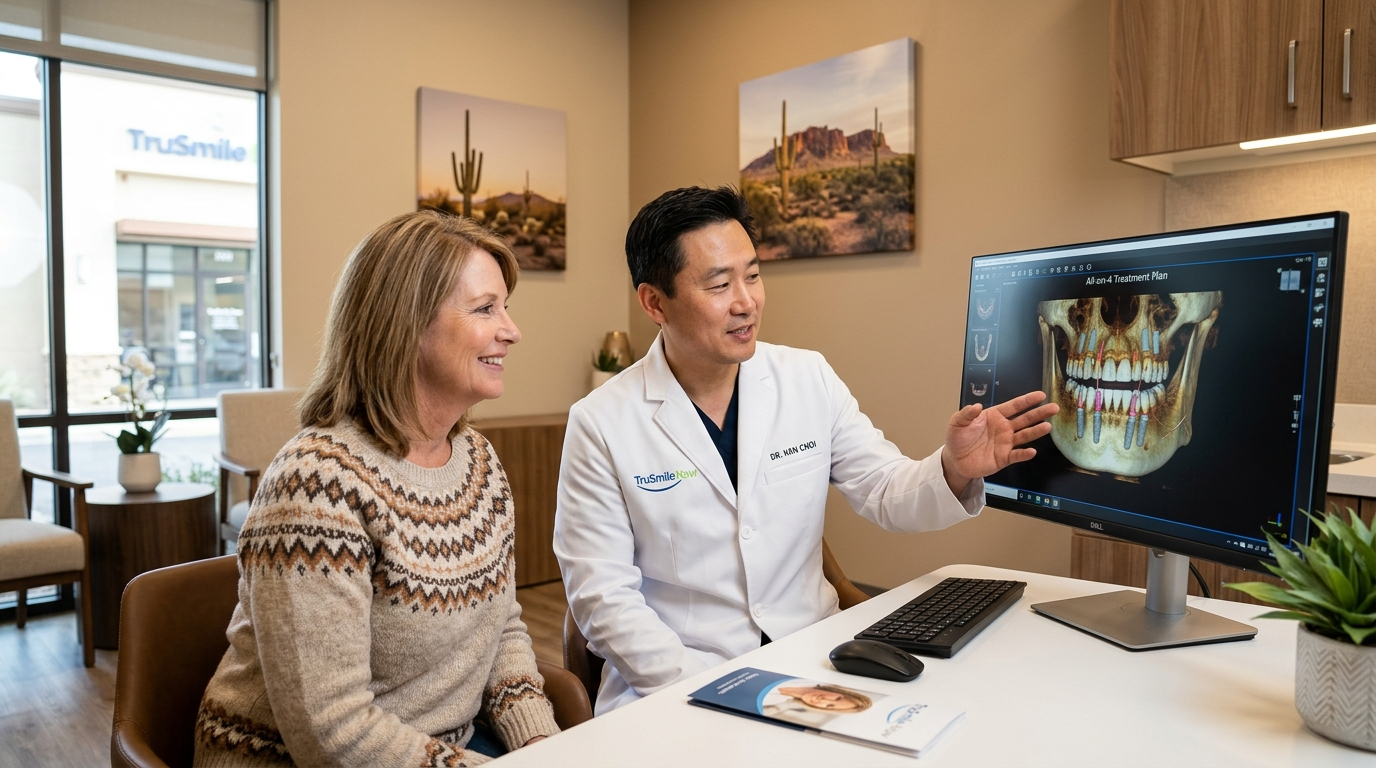
Dr. Han Choi uses 3D Cone Beam CT imaging to plan your implant placement with millimeter precision. This technology allows him to identify the optimal position, angle, and depth before making a single incision. Precise planning means less tissue trauma, shorter surgery times, and faster recovery.
Minimally invasive techniques further reduce tissue disruption. Smaller incisions heal faster and cause less post-operative soreness.
Comprehensive Pain Management Protocol
Before you leave our office, you will receive detailed instructions for managing discomfort at home. This typically includes:
- Anti-inflammatory medication (ibuprofen) to control swelling and pain
- Ice pack schedule for the first 24 hours
- Soft food recommendations to avoid stressing the surgical site
- Oral hygiene guidelines to prevent infection while promoting healing
- Emergency contact information if you have concerns
Most patients find that over-the-counter medications are sufficient. However, if needed, Dr. Han Choi can prescribe stronger pain relievers for the first few days.
🦷 FACTORS THAT AFFECT PAIN LEVELS
Not everyone experiences the same level of discomfort after implant surgery. Several factors influence your individual pain experience.
Surgical Complexity
A straightforward single implant in healthy bone typically causes minimal discomfort. However, if your procedure includes bone grafting, sinus lifts, or multiple implants, you may experience slightly more soreness due to the additional surgical work.
Individual Pain Tolerance
Everyone perceives pain differently. What one patient rates as a 4 might be a 2 for someone else. Your personal pain threshold, previous dental experiences, and anxiety levels all play a role.
Following Post-Operative Instructions
Patients who carefully follow Dr. Han Choi’s aftercare guidelines typically experience less pain and faster healing. This includes taking medications on schedule, avoiding hard foods, not smoking, and keeping the area clean.
Surgeon Experience
The skill and experience of your implant surgeon significantly impacts your comfort. Dr. Han Choi’s board certification and extensive training mean he can complete procedures efficiently with minimal tissue trauma. His patients consistently report smooth recoveries and manageable discomfort.
✅ TIPS FOR MINIMIZING DISCOMFORT
You can take proactive steps to reduce pain and speed up your recovery after getting a dental implant.
Before Surgery:
- Get a good night’s sleep
- Eat a nutritious meal beforehand (if not sedated)
- Arrange for someone to drive you home
- Fill prescriptions in advance so medications are ready
After Surgery:
- Apply ice packs for 15 minutes on, 15 minutes off during the first 24 hours
- Keep your head elevated, even while sleeping
- Take anti-inflammatory medication before pain starts
- Stick to soft, cool foods like yogurt, smoothies, and mashed potatoes
- Avoid strenuous activity for 48-72 hours
- Do not smoke or use straws (suction can disrupt healing)
- Gently rinse with warm salt water after 24 hours
Following these simple guidelines can make a significant difference in your comfort level and healing speed.
💰 AFFORDABLE DENTAL IMPLANTS AT TRUSMILE NOW
Cost concerns should not prevent you from getting the tooth replacement you need. At TruSmile Now, a single dental implant starts at just $2,699, which includes the implant post, abutment, and crown.
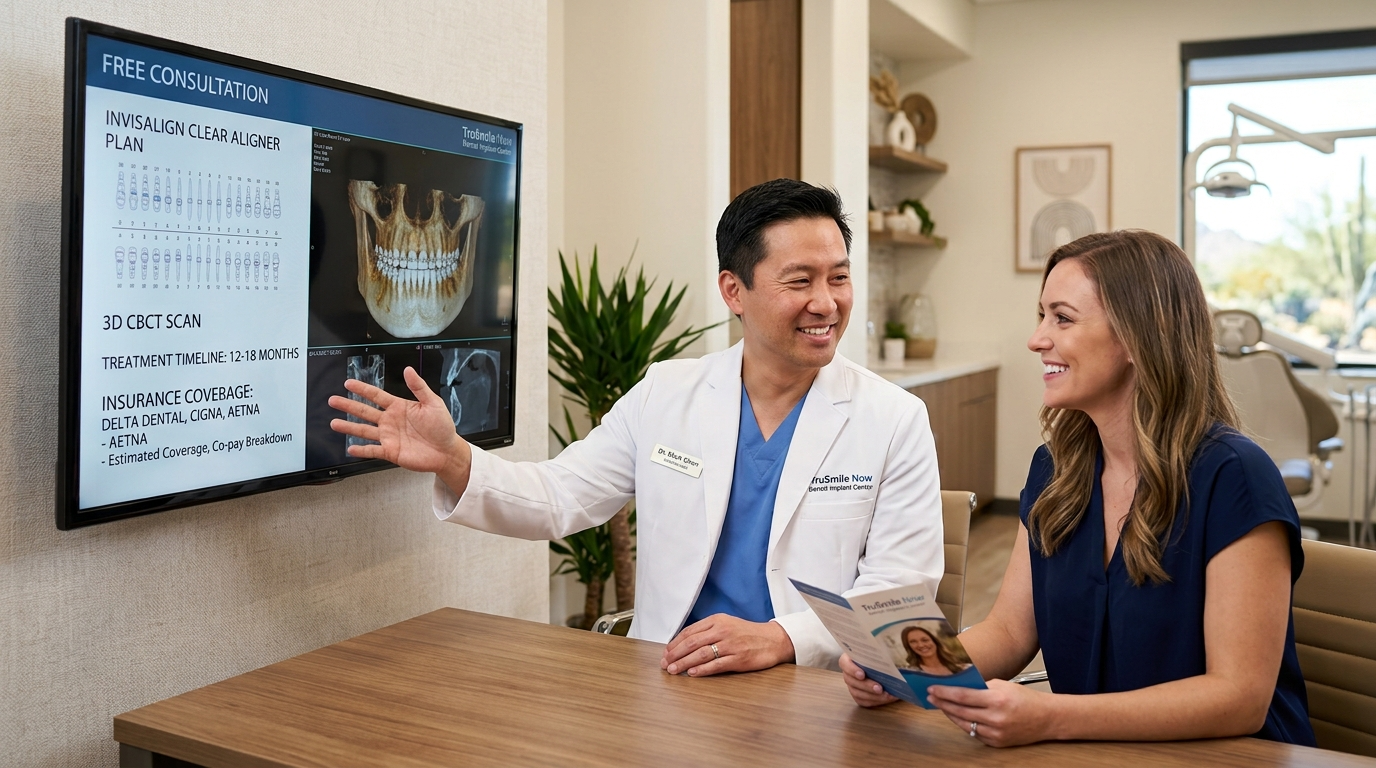
We accept most major insurance plans, and many policies provide partial coverage for implants. Our team will work with your insurance company to maximize your benefits. We also accept Medicare Part B for medically necessary dental treatments.
We offer flexible payment plans through Cherry to make treatment affordable. With approved financing, you can spread the cost over manageable monthly payments.
New patients can take advantage of our $49 New Patient Special, which includes a comprehensive exam, X-rays, and consultation. During your visit, Dr. Han Choi will assess your needs and provide a detailed treatment plan with transparent pricing.
❓ FREQUENTLY ASKED QUESTIONS
Is dental implant pain worse than a tooth extraction?
Most patients report that dental implant pain is actually less severe than extraction discomfort. Extractions involve pulling a tooth from its socket, which can damage surrounding tissue. Implant placement is more controlled and precise, resulting in less trauma. Many patients at TruSmile Now say their implant recovery was easier than they expected.
How long does dental implant pain last?
Peak discomfort typically occurs during the first 2-3 days after surgery and subsides significantly by day 4-5. Most patients experience only mild soreness after the first week. Complete healing takes several months as the implant fuses with bone, but this process is painless.
What pain medication is recommended after getting a dental implant?
Dr. Han Choi typically recommends ibuprofen (Advil, Motrin) as the first-line pain reliever because it reduces both pain and inflammation. Most patients find 400-600mg every 6 hours sufficient. Acetaminophen (Tylenol) can be added for breakthrough pain. Prescription pain medication is rarely needed but available if necessary.
Can I work the day after dental implant surgery?
Many patients return to work the next day, especially if their job does not involve heavy physical labor. You may experience some swelling and tenderness, but most people feel well enough to resume normal activities within 24-48 hours. If your work is physically demanding, consider taking 2-3 days off.
What if I experience severe pain after my implant?
While uncommon, severe or worsening pain could indicate infection or another complication. Contact TruSmile Now immediately if you experience intense throbbing, fever, excessive swelling, or pain that does not respond to medication. Dr. Han Choi and his team are available to address any concerns and provide prompt treatment if needed.
Does bone grafting increase dental implant pain?
If you need bone grafting before or during implant placement, you may experience slightly more discomfort due to the additional surgical work. However, pain levels remain manageable with proper medication and care. Dr. Han Choi uses advanced grafting techniques to minimize tissue trauma and promote faster healing.
🏥 VISIT TRUSMILE NOW – 3 ARIZONA LOCATIONS
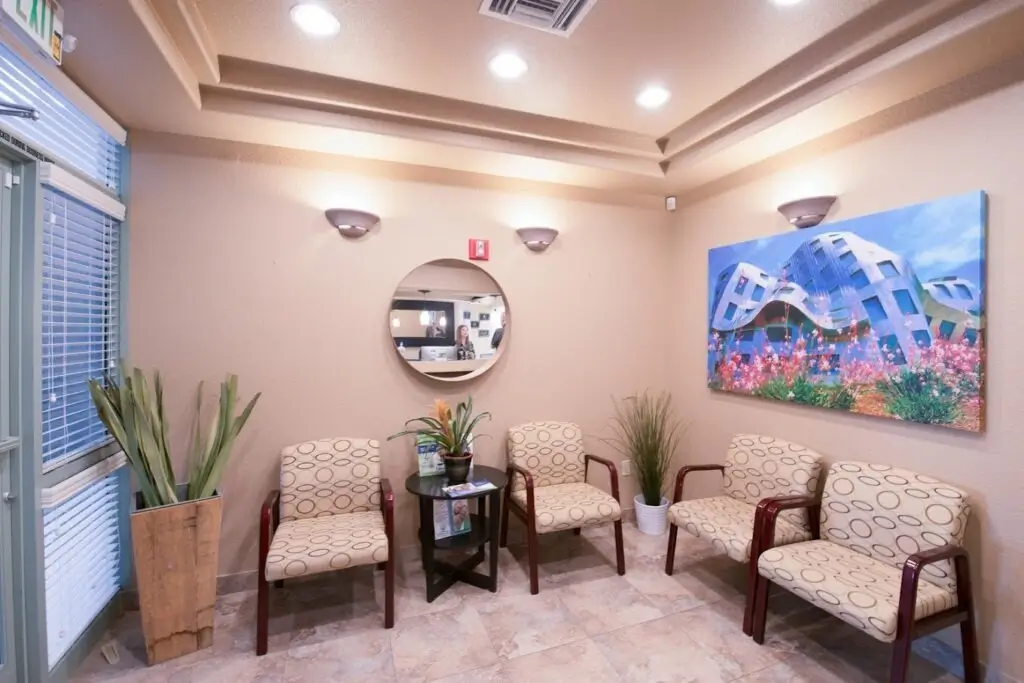
TruSmile Now Peoria
20542 N Lake Pleasant Rd, Suite 113
Peoria, AZ 85382
Phone: (602) 362-0447
Hours: Mon-Thu 9:00 AM – 5:00 PM
TruSmile Now Chandler
2900 W Ray Rd #3
Chandler, AZ 85224
Phone: (480) 393-0687
Hours: Mon-Thu 9:00 AM – 5:00 PM
TruSmile Now Ahwatukee (Phoenix)
4530 E Ray Rd #170
Phoenix, AZ 85044
Phone: (480) 360-4754
Hours: Mon 9-5, Tue 7am-2pm, Wed-Thu 10-7, Fri 8-3, Sat 8am-1pm
Serving Peoria, Chandler, Ahwatukee, Phoenix, Tempe, Mesa, Gilbert, Scottsdale, Glendale, Surprise, and the Greater Phoenix metro area.
New Patient Special: $49 – Includes exam, X-rays, and consultation!
We accept most major insurance including Delta Dental, Cigna, UnitedHealthcare, MetLife, Aetna, BCBS, and more. Medicare Part B accepted for medically necessary treatments.
We offer flexible payment plans through Cherry to make your treatment affordable.
Prefer texting over calling? Lucy, our AI-powered assistant, is always ready to chat. Ask her anything about our services or schedule your visit in seconds.
Ready to learn more about dental implant pain and whether this treatment is right for you? Call any of our locations or schedule online today!
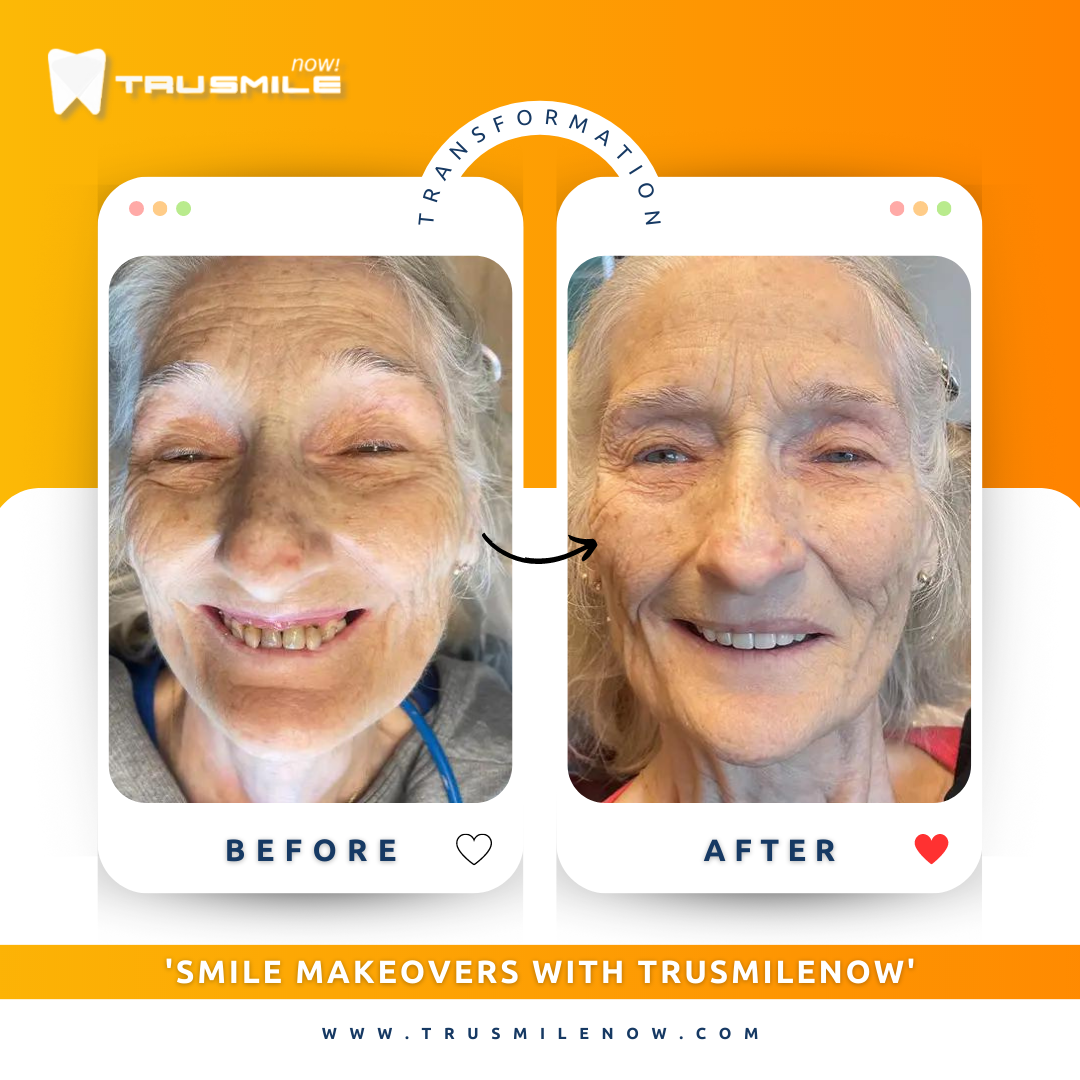
View our before and after gallery to see real patient results!