If you have been avoiding your dental cleaning because you are worried it will hurt, you are not alone. Many patients postpone their routine cleanings due to fear of discomfort or pain. The truth is that while most people experience little to no pain during a dental cleaning, some discomfort can occur depending on your oral health, gum sensitivity, and how long it has been since your last visit. Understanding what causes discomfort and how to minimize it can help you feel more confident about scheduling your next appointment.
At TruSmile Now, Dr. Hanna Choi, DDS, provides comprehensive general and restorative dental care with a gentle, patient-centered approach. Dr. Hanna Choi focuses on helping patients maintain optimal oral health while ensuring every treatment is tailored to their unique needs and delivers the best possible outcome.

Regular dental cleanings are essential for preventing cavities, gum disease, and other oral health problems. According to the American Dental Association, professional cleanings remove plaque and tartar buildup that brushing and flossing alone cannot eliminate. While the thought of dental cleaning hurt might make you anxious, modern techniques and numbing options make the experience much more comfortable than you might expect.
🦷 WHY DOES DENTAL CLEANING HURT FOR SOME PATIENTS?
The level of discomfort you experience during a dental cleaning depends on several factors. If you have healthy gums and visit the dentist regularly every six months, you will likely feel minimal to no pain. However, if you have sensitive teeth, inflamed gums, or significant tartar buildup, you may experience some discomfort during the cleaning process.
Gum inflammation is one of the most common reasons dental cleaning hurt occurs. When plaque accumulates along the gumline, it causes gingivitis, an early stage of gum disease. Inflamed gums are tender and bleed easily, making them more sensitive to the scraping and scaling motions used during cleaning. The longer you wait between cleanings, the more plaque hardens into tartar, which requires more aggressive removal techniques.
Another factor is tooth sensitivity. If your enamel has worn down or your gums have receded, the underlying dentin becomes exposed. This layer contains tiny nerve endings that react to cold water, air, and pressure from dental instruments. The National Institute of Dental and Craniofacial Research notes that tooth sensitivity affects millions of Americans and can make routine cleanings uncomfortable.
Deep cleanings, also called scaling and root planing, are necessary when gum disease has progressed below the gumline. These cleanings involve removing tartar from the tooth roots and smoothing the surfaces to help gums reattach. Because this procedure goes deeper than a standard cleaning, it typically causes more discomfort and may require local anesthesia.
✅ WHAT HAPPENS DURING A DENTAL CLEANING?
Understanding the dental cleaning process can help reduce anxiety about whether dental cleaning hurt will be an issue for you. A typical cleaning appointment includes several steps, each designed to thoroughly clean your teeth and assess your oral health.
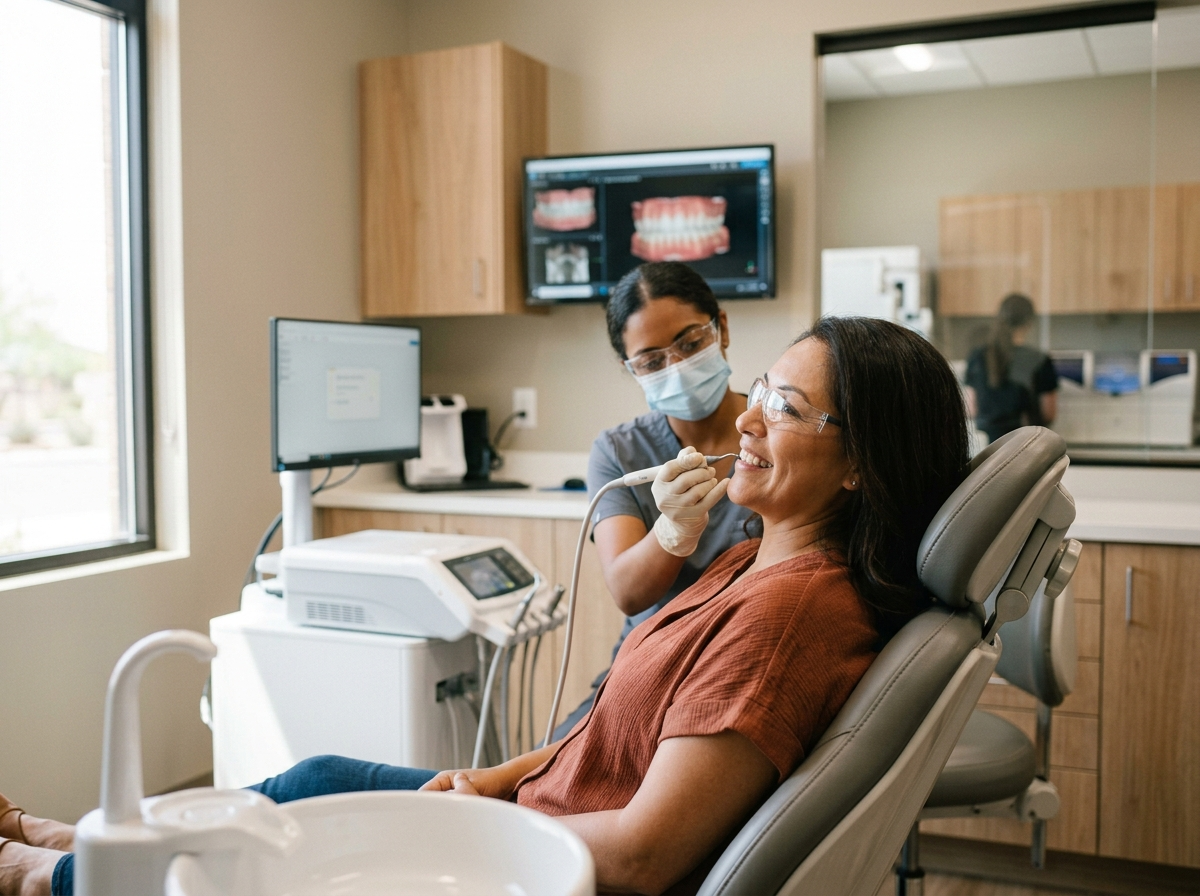
First, your dental hygienist will examine your mouth using a small mirror to check for signs of gingivitis or other concerns. If significant problems are detected, the dentist may be consulted before proceeding. Next comes the scaling process, where the hygienist uses a scaler to remove plaque and tartar from around your gumline and between your teeth. This is often the step where patients wonder if dental cleaning hurt will become a problem, especially if buildup is extensive.
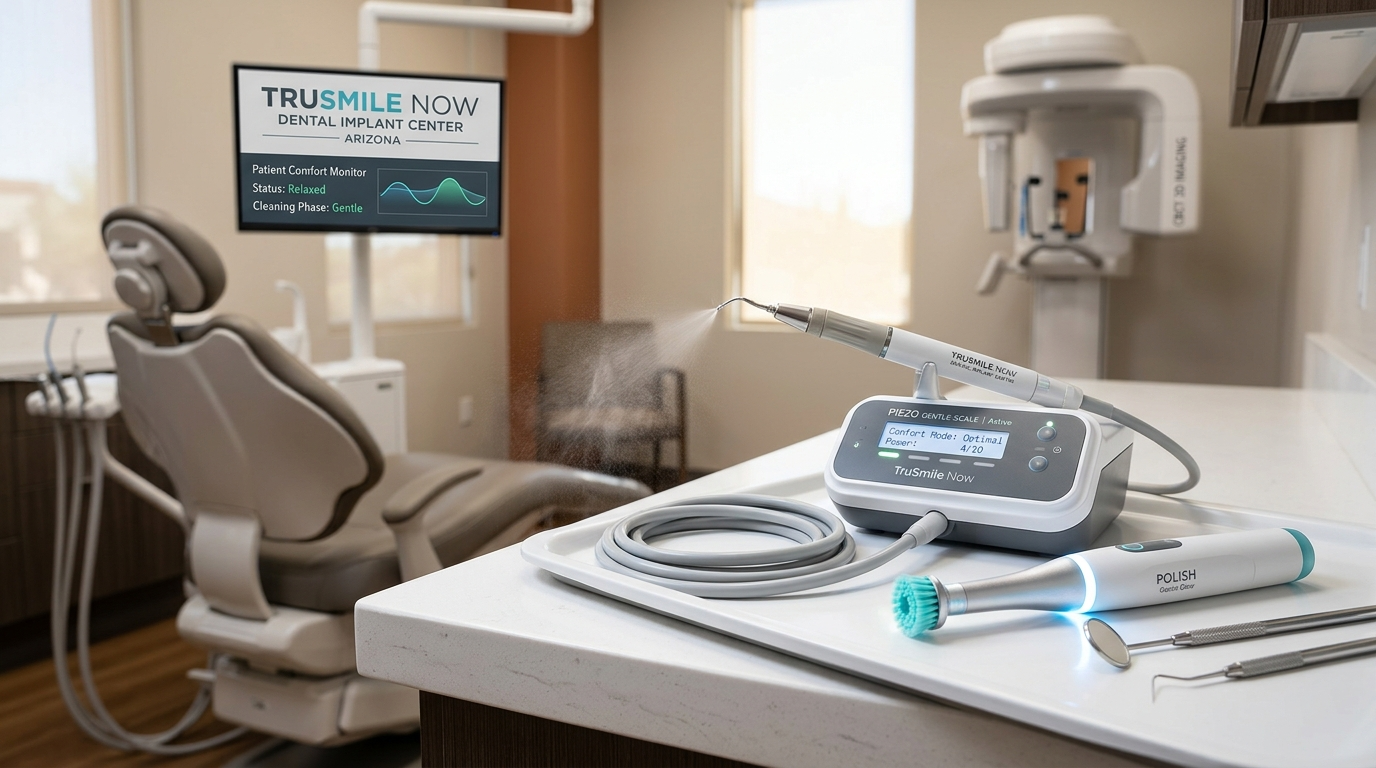
After scaling, your teeth are polished with a high-powered electric brush and gritty toothpaste. This removes surface stains and any remaining plaque. The polishing paste may have a slightly gritty texture, but it should not cause pain. Following the polish, you receive an expert flossing session to remove any debris loosened during cleaning.
Finally, you may receive a fluoride treatment to strengthen your enamel and protect against cavities. The entire process typically takes 30 to 60 minutes. If you have been diligent about your home care and regular visits, the experience should be relatively comfortable with only minor sensitivity.
The Role of Ultrasonic Scalers
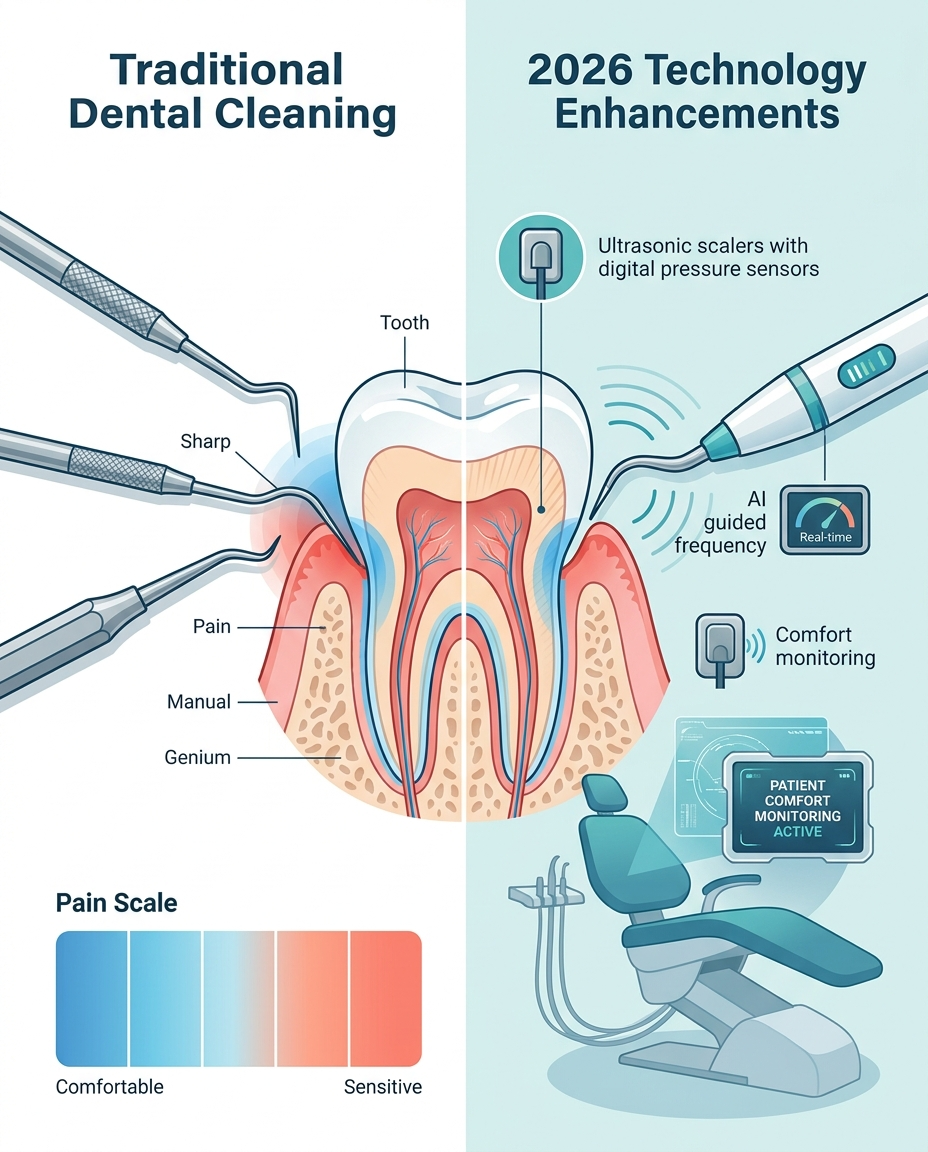
Many dental offices now use ultrasonic scalers, which use high-frequency vibrations and water spray to break up tartar. These devices can be more comfortable than traditional hand scalers because they require less manual scraping. However, the vibrations and cold water may cause temporary sensitivity, particularly if you already have sensitive teeth or exposed roots.
💡 HOW TO MINIMIZE DISCOMFORT DURING YOUR CLEANING
The good news is that there are several ways to reduce or eliminate the discomfort associated with dental cleanings. Communication with your dental team is essential. Let your hygienist know if you have sensitive teeth, anxiety about the procedure, or if you experienced dental cleaning hurt during previous visits.
Topical numbing gel can be applied to your gums before the cleaning begins. This over-the-counter anesthetic temporarily numbs the tissue and significantly reduces sensitivity during scaling. For patients with severe anxiety or extensive work needed, local anesthetic injections may be offered to completely numb the area.
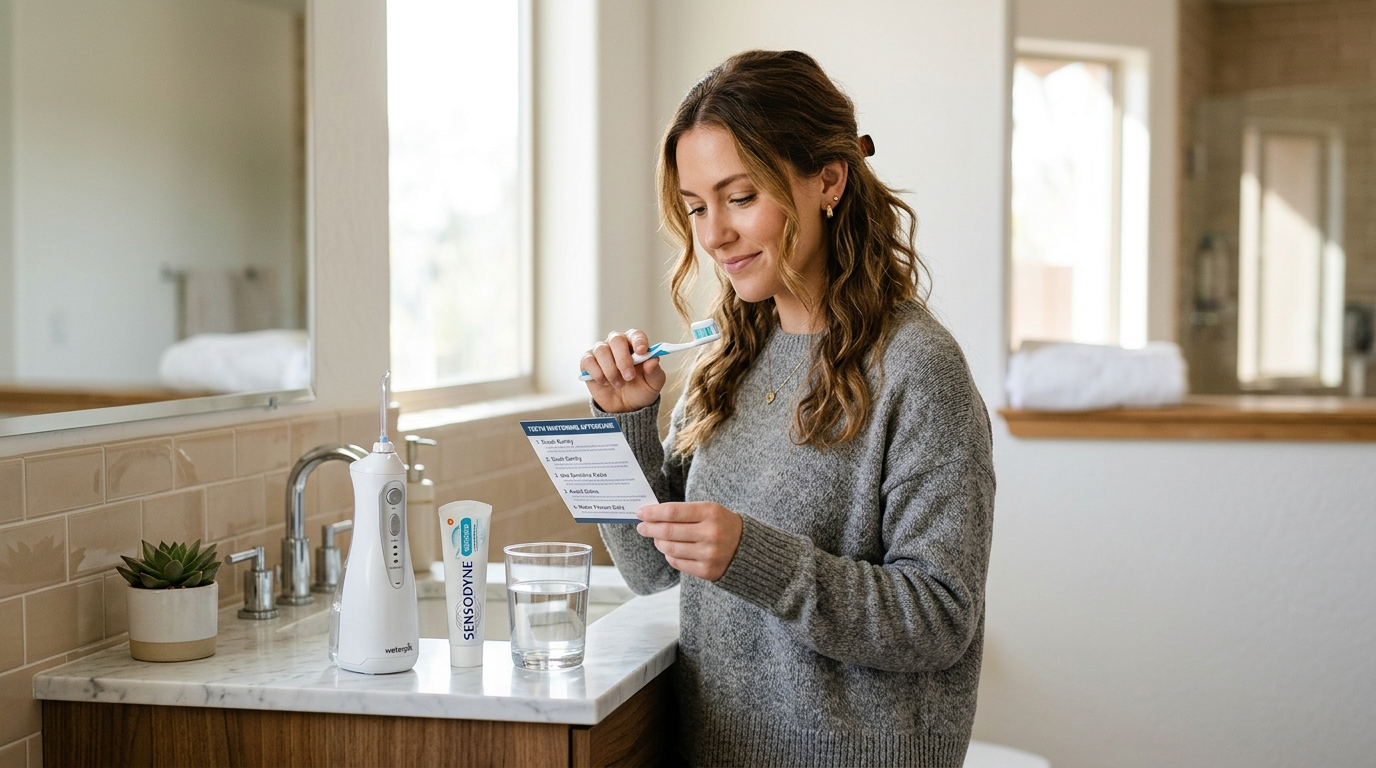
Using desensitizing toothpaste for two weeks before your appointment can help reduce tooth sensitivity. These products contain compounds that block the nerve signals in your teeth. Brands containing potassium nitrate or stannous fluoride are particularly effective. Brushing gently with a soft-bristled toothbrush and avoiding acidic foods before your appointment can also help.
Taking an over-the-counter pain reliever like ibuprofen about an hour before your appointment can reduce inflammation and discomfort. Always check with your dentist first to ensure this is safe for you. During the cleaning, do not hesitate to raise your hand if you need a break or if something hurts. Your hygienist can adjust their technique or provide additional numbing as needed.
The Importance of Regular Visits
One of the best ways to prevent dental cleaning hurt is to maintain regular six-month appointments. When you visit consistently, plaque does not have time to harden into stubborn tartar deposits. This means less aggressive scraping is needed, and your gums stay healthier and less sensitive. Patients who skip cleanings for years often experience more discomfort when they finally return because there is so much buildup to remove.
According to research published in the Journal of Clinical Periodontology, regular professional cleanings significantly reduce the risk of developing periodontal disease, which is a major cause of tooth loss in adults. Keeping up with your appointments not only makes each visit more comfortable but also protects your long-term oral health.
🏥 WHEN TO EXPECT MORE DISCOMFORT
While routine cleanings should not be painful, certain situations may cause increased discomfort. If you have active gum disease, your gums are likely swollen, tender, and prone to bleeding. In these cases, even gentle cleaning can cause some pain. However, treating the infection and getting your gums healthy again will make future cleanings much more comfortable.
Deep cleanings or periodontal therapy involve cleaning below the gumline where tartar has accumulated on the tooth roots. This procedure is more invasive than a standard cleaning and typically requires local anesthesia. While you should not feel pain during the procedure itself, you may experience soreness and sensitivity for a few days afterward. Over-the-counter pain relievers and saltwater rinses can help manage this discomfort.
If it has been several years since your last cleaning, expect more buildup and potentially more discomfort during removal. Your hygienist may recommend splitting the cleaning into multiple appointments to make the process more manageable. This approach allows your gums time to heal between sessions and reduces overall discomfort.
⭐ WHAT TO DO AFTER YOUR CLEANING
Some sensitivity after a dental cleaning is normal, especially if you had significant tartar buildup or inflamed gums. Your teeth may feel more sensitive to hot and cold temperatures for a day or two. This happens because removing tartar can temporarily expose areas of your teeth that were previously covered.
Rinse with warm salt water several times a day to soothe your gums and promote healing. Avoid extremely hot or cold foods and beverages for the first 24 hours. Stick to soft foods if your gums are tender. Continue brushing and flossing gently, but avoid aggressive scrubbing that could irritate healing tissue.
If you experience severe pain, prolonged bleeding, or swelling after your cleaning, contact your dentist right away. While mild discomfort is expected, intense pain is not normal and may indicate an underlying issue that needs attention.
💰 AFFORDABLE DENTAL CLEANINGS AT TRUSMILE NOW
At TruSmile Now, we believe that cost should never be a barrier to maintaining good oral health. Our New Patient Special is just $49 and includes a comprehensive exam, X-rays, and consultation. This is an excellent opportunity to get your teeth cleaned and address any concerns you may have about whether dental cleaning hurt will be an issue for you.
We accept most major insurance plans including Delta Dental, Cigna, UnitedHealthcare, MetLife, Aetna, Guardian, Blue Cross Blue Shield of Arizona, and many others. We also accept Medicare Part B for medically necessary dental treatments. Our team will work with your insurance provider to maximize your benefits and minimize your out-of-pocket costs.
For patients without insurance or those who need additional financial assistance, we offer flexible payment plans through Cherry to make treatment affordable. You can apply online in minutes and receive an instant decision, making it easy to get the care you need without financial stress.
❓ FREQUENTLY ASKED QUESTIONS
Does dental cleaning hurt if you have sensitive teeth?
If you have sensitive teeth, you may experience some discomfort during your cleaning, particularly when the hygienist uses cold water or scrapes near the gumline. However, there are several ways to minimize this discomfort. Using desensitizing toothpaste for two weeks before your appointment can help. You can also request topical numbing gel or even local anesthesia if needed. Communicating with your hygienist about your sensitivity allows them to adjust their technique and make you more comfortable.
How long does dental cleaning hurt afterward?
Most patients experience little to no pain after a routine dental cleaning. You may have some mild sensitivity to hot and cold temperatures for 24 to 48 hours, especially if you had significant tartar buildup removed. This sensitivity typically resolves on its own within a few days. If you had a deep cleaning or periodontal treatment, you might experience soreness for up to a week. Over-the-counter pain relievers and saltwater rinses can help manage any discomfort.
Can I get numbing for a regular dental cleaning?
Yes, absolutely. If you are anxious about whether dental cleaning hurt will be a problem or if you have a history of sensitivity, your hygienist can apply topical numbing gel to your gums before starting. This gel numbs the surface tissue and significantly reduces discomfort during scaling. For patients who need more extensive numbing, local anesthetic injections are also available. Never hesitate to ask for numbing options. Your comfort is a priority.
Why do my gums bleed during cleaning?
Bleeding gums during a cleaning are usually a sign of gum inflammation caused by plaque buildup. When plaque accumulates along the gumline, it irritates the tissue and causes gingivitis. Inflamed gums are tender and bleed easily when touched by dental instruments or floss. The good news is that with proper home care and regular professional cleanings, your gums will become healthier and bleeding will decrease. If bleeding persists after several cleanings, it may indicate more advanced gum disease that requires additional treatment.
How can I make my next dental cleaning more comfortable?
The best way to make your next cleaning more comfortable is to maintain good oral hygiene at home and visit the dentist regularly every six months. Brush twice daily with fluoride toothpaste, floss daily, and use an antiseptic mouthwash. These habits prevent plaque from hardening into tartar, which means less aggressive scraping is needed during your cleaning. If you have sensitive teeth, start using desensitizing toothpaste a few weeks before your appointment. Communicate openly with your hygienist about any concerns or past experiences with discomfort so they can tailor the cleaning to your needs.
Is it normal for teeth to feel loose after cleaning?
If you had significant tartar buildup, your teeth may feel slightly loose or different after a cleaning. This happens because the tartar was acting like a splint, holding your teeth in place. Once it is removed, you may notice increased mobility. This sensation is usually temporary and should resolve within a few days as your gums heal and tighten around your teeth. However, if looseness persists or worsens, contact your dentist as it may indicate underlying gum disease or bone loss that needs treatment.
📍 VISIT TRUSMILE NOW – 3 ARIZONA LOCATIONS

TruSmile Now Peoria
20542 N Lake Pleasant Rd, Suite 113
Peoria, AZ 85382
Phone: (602) 362-0447
Hours: Mon-Thu 9:00 AM – 5:00 PM
TruSmile Now Chandler
2900 W Ray Rd #3
Chandler, AZ 85224
Phone: (480) 393-0687
Hours: Mon-Thu 9:00 AM – 5:00 PM
TruSmile Now Ahwatukee (Phoenix)
4530 E Ray Rd #170
Phoenix, AZ 85044
Phone: (480) 360-4754
Hours: Mon 9-5, Tue 7am-2pm, Wed-Thu 10-7, Fri 8-3, Sat 8am-1pm
Serving Peoria, Chandler, Ahwatukee, Phoenix, Tempe, Mesa, Gilbert, Scottsdale, Glendale, Surprise, and the Greater Phoenix metro area.
New Patient Special: $49 – Includes exam, X-rays, and consultation!
We accept most major insurance including Delta Dental, Cigna, UnitedHealthcare, MetLife, Aetna, BCBS, and more. Medicare Part B accepted for medically necessary treatments.
We offer flexible payment plans through Cherry to make your treatment affordable.
Prefer texting over calling? Lucy, our AI-powered assistant, is always ready to chat. Ask her anything about our services or schedule your visit in seconds.
Ready to schedule your dental cleaning? Call any of our locations or schedule online today!
View our before and after gallery to see real patient results!