Yes, teeth can turn yellow again after whitening, but how quickly this happens depends on your habits, oral hygiene, and the type of whitening treatment you choose. Professional teeth whitening delivers dramatic results, but maintaining that bright smile requires ongoing care and attention to what you eat, drink, and how you care for your teeth daily.
At TruSmile Now, Dr. Hanna Choi, DDS, provides comprehensive dental care with a gentle, patient-centered approach. Specializing in cosmetic treatments including professional teeth whitening, Dr. Hanna Choi helps patients achieve brighter, more confident smiles they are proud to show off.

Understanding why teeth discolor after treatment and what you can do to extend your results will help you make informed decisions about your cosmetic dental care. Let’s explore the science behind tooth discoloration, what affects longevity, and practical steps to keep your smile bright for months or even years after treatment.
⏱️ HOW LONG DOES TEETH WHITENING LAST?
The longevity of teeth whitening results varies significantly based on the treatment method and individual factors. Professional in-office teeth whitening typically lasts one to three years with proper maintenance, while at-home treatments may last six months to one year. Take-home professional kits prescribed by your dentist fall somewhere in between, offering results that can last 12 to 18 months.
According to research published in the Journal of Esthetic and Restorative Dentistry, professional whitening treatments using higher concentrations of hydrogen peroxide or carbamide peroxide produce more dramatic and longer-lasting results compared to over-the-counter products. The study found that professional treatments can lighten teeth by six to eight shades, with results remaining visible for up to three years when patients follow recommended maintenance protocols.
Several factors influence how long your results will last. Your daily habits play the most significant role. If you consume staining foods and beverages regularly, smoke tobacco products, or have poor oral hygiene, your teeth will yellow more quickly. Conversely, patients who avoid staining substances, brush and floss diligently, and visit their dentist for regular cleanings can enjoy their bright smile much longer.
Factors That Affect Whitening Longevity
Your enamel structure and natural tooth color also matter. People with thinner enamel may see their dentin (the naturally yellower layer beneath enamel) show through more quickly. Age is another consideration, as enamel naturally thins over time, making teeth appear more yellow regardless of whitening treatments.
The American Dental Association emphasizes that maintaining good oral hygiene and limiting exposure to staining agents are the most effective ways to preserve whitening results. Regular dental cleanings every six months help remove surface stains before they penetrate deeper into the enamel.

🍷 WHY DO TEETH TURN YELLOW AFTER TEETH WHITENING?
Teeth can return to a yellow shade after whitening for several reasons, and understanding these causes helps you take preventive action. The most common culprit is extrinsic staining, which occurs when pigmented molecules from food, drinks, and tobacco settle on the tooth surface and gradually penetrate the enamel’s microscopic pores.
Coffee, tea, red wine, dark sodas, berries, tomato sauce, and curry are notorious for staining teeth. These items contain chromogens, highly pigmented molecules that attach to tooth enamel. Acidic foods and beverages, such as citrus fruits and sports drinks, worsen the problem by temporarily softening enamel, making it more susceptible to staining.
Intrinsic Discoloration and Enamel Changes
Beyond surface stains, intrinsic discoloration can also cause teeth to yellow again. This type of discoloration originates from within the tooth structure itself. Aging naturally causes dentin to darken and enamel to thin, making teeth appear more yellow over time. Certain medications, particularly tetracycline antibiotics taken during childhood, can cause permanent intrinsic staining that whitening treatments cannot fully address.
Trauma to a tooth can also lead to internal discoloration. When a tooth experiences injury, it may respond by depositing more dentin, which darkens the tooth from the inside. In these cases, external whitening may provide limited improvement, and alternative treatments like veneers or bonding might be more effective.
The Rehydration Effect
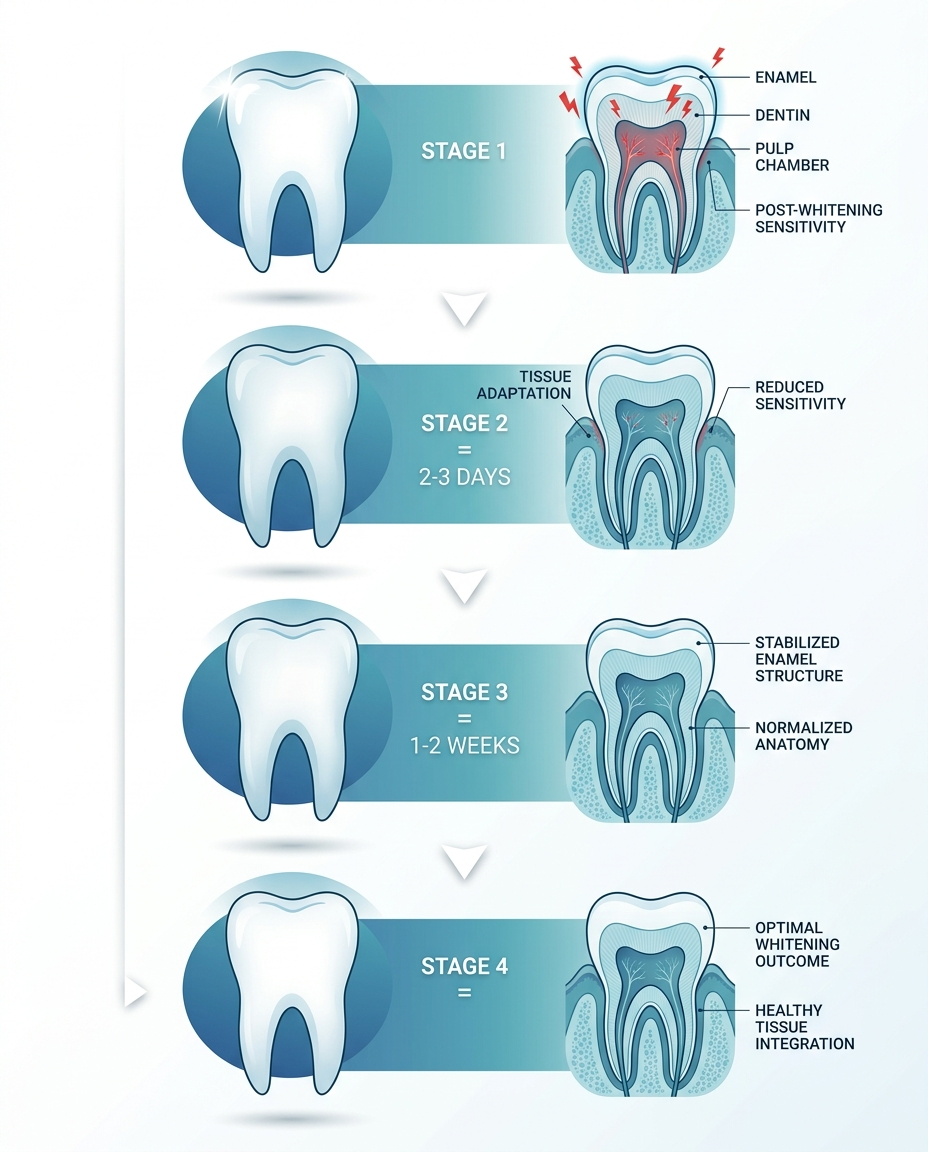
Immediately after professional treatment, teeth may appear slightly whiter than they will be after a few days. This temporary effect occurs because the whitening process temporarily dehydrates enamel, making it look brighter and more opaque. As your teeth rehydrate over the following 24 to 48 hours, they may appear slightly less white. This is completely normal and does not mean the treatment failed.
Some patients also experience what dentists call “shade relapse,” where teeth gradually return toward their original color over weeks or months. This happens because the chemical changes that occurred during whitening are not permanent. The peroxide-based whitening agents break down stain molecules, but new stains can form, and natural biological processes can cause some color to return.
🛡️ HOW TO MAINTAIN YOUR TEETH WHITENING RESULTS
Maintaining your bright smile after treatment requires a combination of good habits, professional care, and occasional touch-ups. Here are the most effective strategies to keep your teeth white longer.
Avoid Staining Foods and Drinks
The simplest way to prevent discoloration is to limit your consumption of staining substances. If you do indulge in coffee, tea, or red wine, consider using a straw to minimize contact with your front teeth. Rinse your mouth with water immediately after consuming staining foods or beverages to wash away pigments before they settle into enamel.
Dentists often recommend following the “white diet” for the first 48 hours after whitening. This means avoiding anything that could stain a white shirt, including coffee, tea, red wine, dark sodas, berries, soy sauce, and tomato-based foods. During this critical period, your enamel is more porous and vulnerable to staining.
Practice Excellent Oral Hygiene
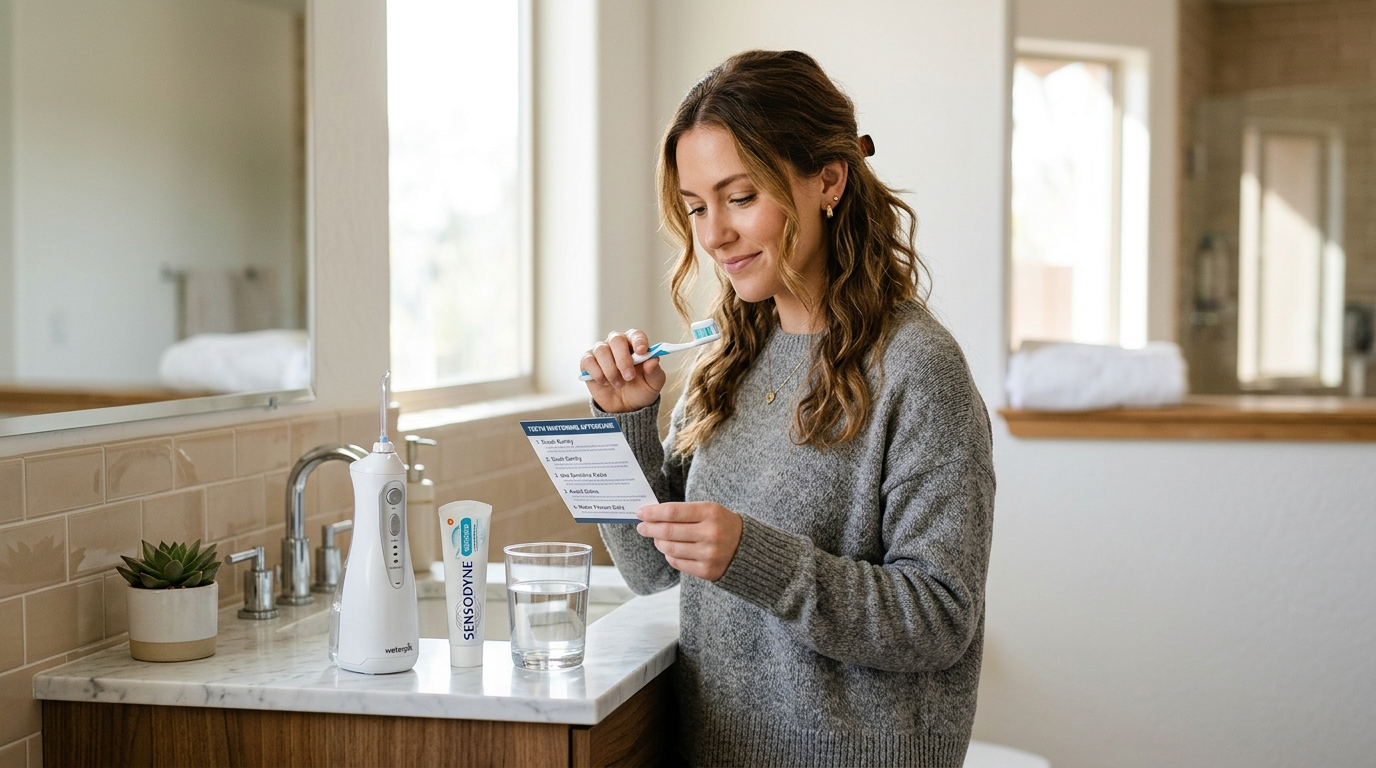
Brushing twice daily with a whitening toothpaste can help remove surface stains before they become embedded in enamel. Choose a toothpaste approved by the American Dental Association that contains mild abrasives and chemical agents designed to remove stains without damaging enamel.
Flossing daily is equally important. Food particles and plaque that accumulate between teeth can cause discoloration in hard-to-reach areas. Using an antimicrobial mouthwash can also help reduce bacteria and prevent the buildup of staining compounds.
Schedule Regular Dental Cleanings
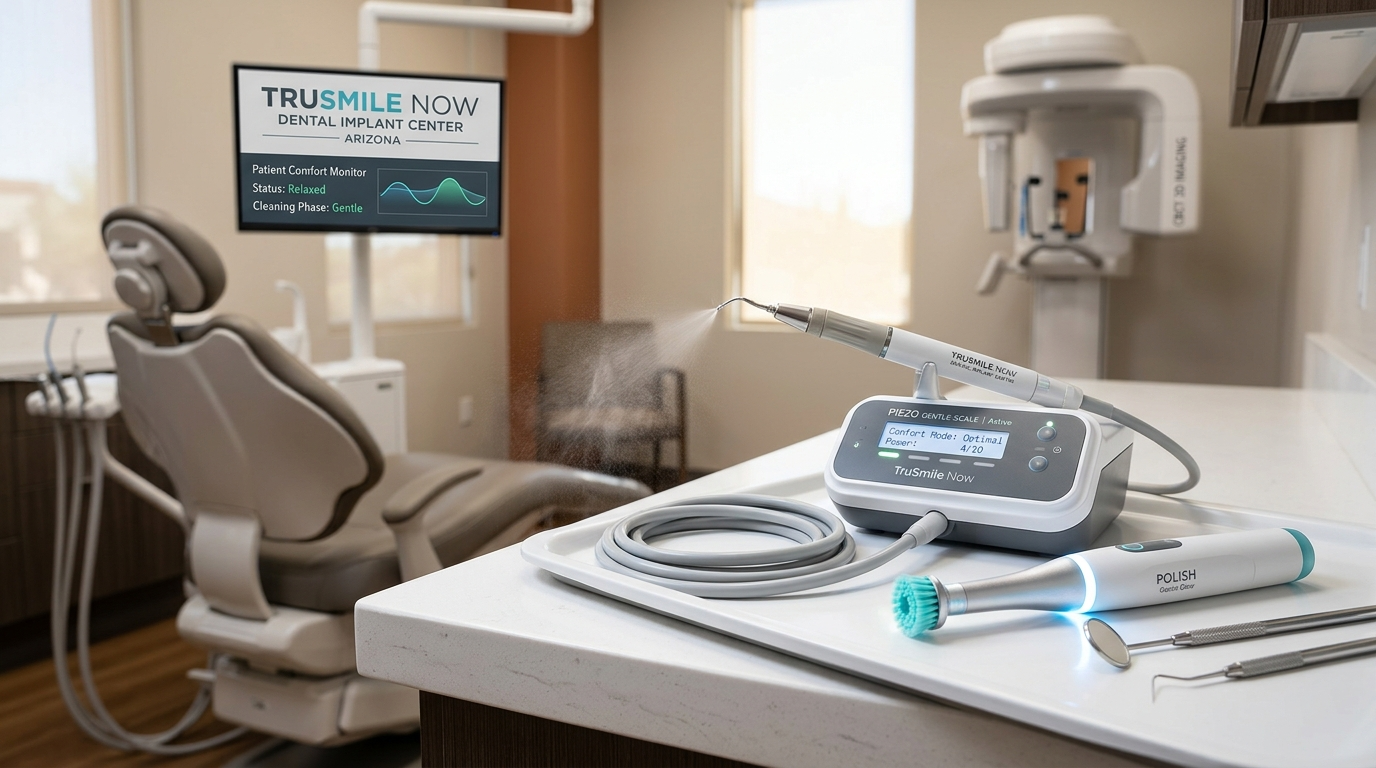
Professional cleanings every six months remove surface stains and tartar that regular brushing cannot eliminate. Your dental hygienist uses specialized tools to polish your teeth and remove accumulated discoloration, helping maintain the brightness achieved through whitening.
At TruSmile Now, we offer comprehensive preventive dental care to help you maintain optimal oral health and preserve your cosmetic results. Our team provides personalized recommendations based on your individual needs and lifestyle.
Consider Touch-Up Treatments
Even with excellent care, most patients benefit from periodic touch-up treatments. Depending on your habits and the original treatment method, you might need touch-ups every six to 12 months. Dr. Hanna Choi can provide custom take-home trays and professional-strength whitening gel that you can use periodically to refresh your smile.
Touch-up treatments are typically much shorter than the initial whitening process. You might only need to wear the trays for a few nights rather than the full treatment duration. This maintenance approach is cost-effective and helps you maintain consistent results without repeated full treatments.
💰 PROFESSIONAL VS. OVER-THE-COUNTER WHITENING
When considering treatment options, understanding the differences between professional and over-the-counter products helps you make the best choice for lasting results. Professional treatments performed by Dr. Hanna Choi offer several advantages over store-bought alternatives.
Professional In-Office Whitening
Professional in-office whitening uses higher concentrations of bleaching agents (typically 25-40% hydrogen peroxide) compared to over-the-counter products (usually 3-10%). This allows for more dramatic results in a single appointment, often lightening teeth by six to eight shades in just one hour.
The procedure is performed under controlled conditions with protective measures for your gums and soft tissues. Dr. Hanna Choi can also customize the treatment to address specific concerns, such as uneven coloration or stubborn stains that resist conventional whitening.
Professional treatments also tend to produce longer-lasting results because the higher concentration of active ingredients penetrates deeper into the enamel structure. With proper maintenance, results can last up to three years.
Take-Home Professional Kits
Custom take-home kits prescribed by your dentist offer a middle ground between in-office treatments and over-the-counter products. These kits include custom-fitted trays that ensure even application and prevent gel from irritating your gums.
The whitening gel used in professional take-home kits is stronger than store-bought alternatives but milder than in-office treatments. You typically wear the trays for 30 minutes to two hours daily over two to three weeks. Results develop gradually and can be just as impressive as in-office treatments, lasting 12 to 18 months with good care.
Over-the-Counter Products
Drugstore whitening strips, trays, and toothpastes are the most affordable option but offer the most limited results. These products contain lower concentrations of active ingredients and often produce uneven results because one-size-fits-all trays do not conform well to your unique tooth structure.
Over-the-counter treatments typically lighten teeth by two to three shades and results may only last a few months. They can be useful for minor touch-ups or maintaining professional results, but they are not ideal for achieving dramatic transformation.
We offer flexible payment plans through Cherry to make professional treatment affordable. Investing in professional care delivers superior, longer-lasting results compared to repeatedly purchasing over-the-counter products.
🦷 WHEN WHITENING MIGHT NOT WORK
While professional treatment is highly effective for most patients, certain types of discoloration do not respond well to bleaching. Understanding these limitations helps set realistic expectations and explore alternative cosmetic solutions when necessary.
Gray or Brown Discoloration
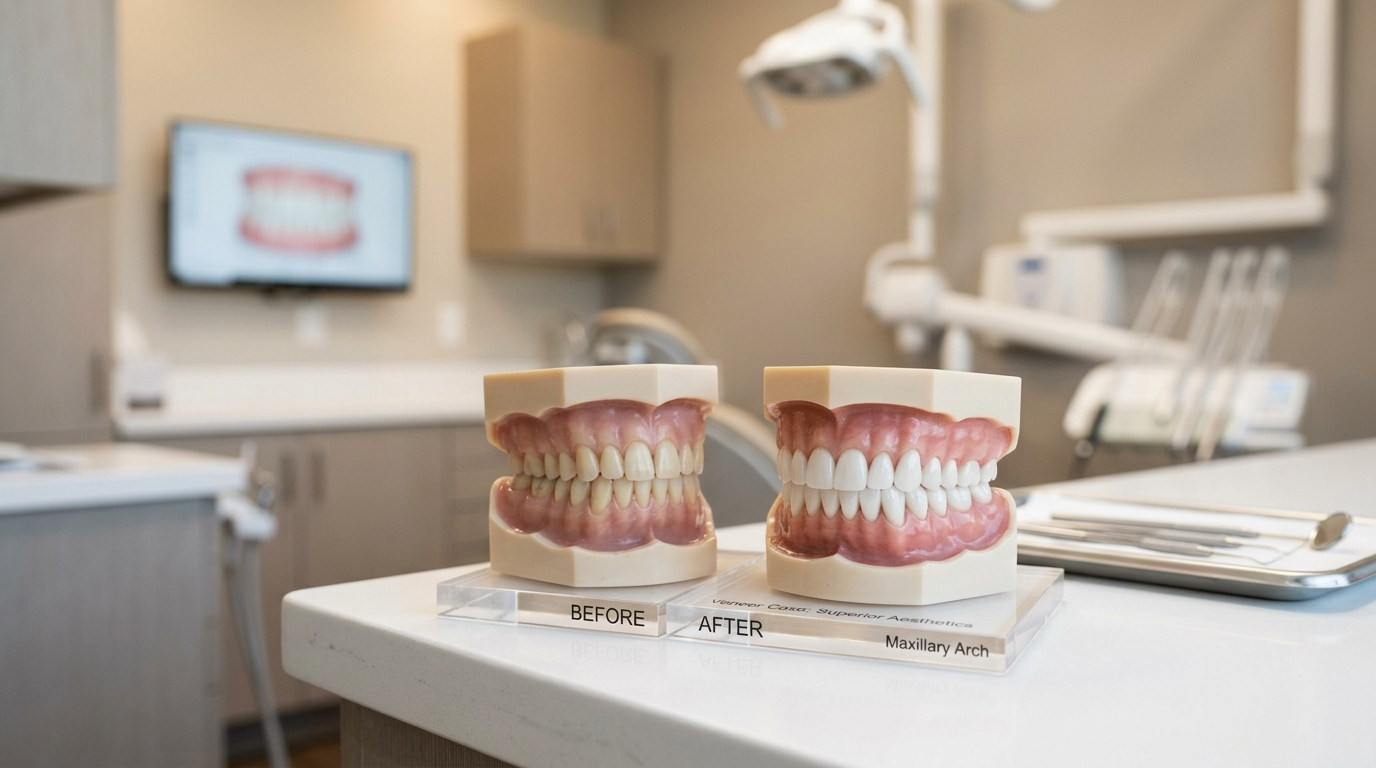
Teeth with grayish or brownish discoloration, particularly from tetracycline staining or fluorosis, often resist traditional whitening treatments. These conditions cause intrinsic staining that peroxide-based agents cannot fully address. In such cases, porcelain veneers may provide a better solution for achieving the bright, uniform smile you desire.
Dental Restorations
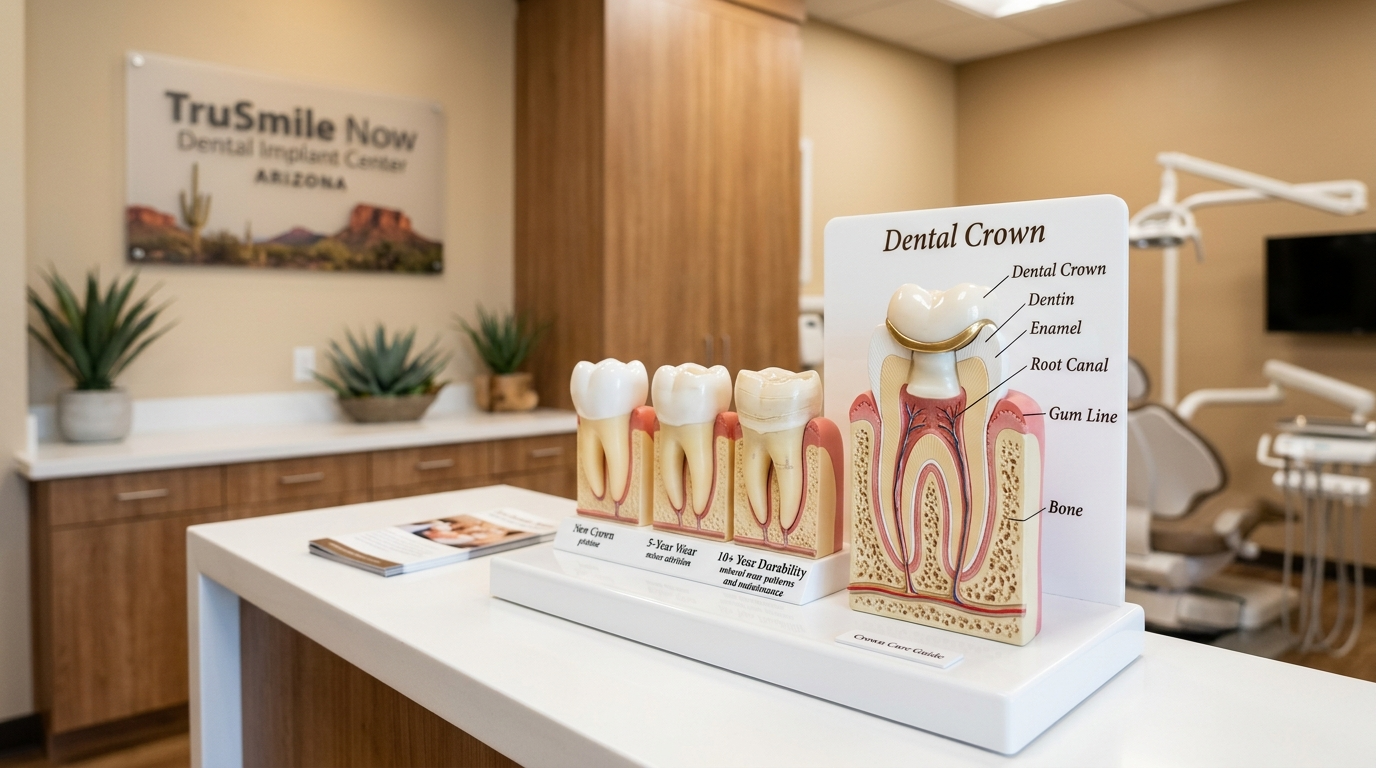
Whitening treatments only work on natural tooth enamel. If you have crowns, veneers, fillings, or bonding on your front teeth, these restorations will not change color during treatment. This can result in uneven coloration where your natural teeth become whiter but your restorations remain the same shade.
If you have visible restorations and want to whiten your smile, Dr. Hanna Choi may recommend whitening your natural teeth first, then replacing your restorations to match your new, brighter shade. This ensures a uniform, natural-looking result.
Severe Enamel Erosion
Patients with significant enamel erosion may not be good candidates for treatment. When enamel is severely worn, the underlying dentin becomes more exposed, and whitening can cause increased sensitivity or produce uneven results. In these situations, restoring enamel health through remineralization treatments or protecting teeth with restorations may be necessary before considering cosmetic whitening.
❓ FREQUENTLY ASKED QUESTIONS
How quickly do teeth turn yellow again after teeth whitening?
The timeline varies based on your habits and oral care. With excellent maintenance and limited exposure to staining foods, professional results can last one to three years. However, if you regularly consume coffee, tea, or wine and do not maintain good oral hygiene, you may notice yellowing within a few months. Touch-up treatments every six to 12 months help maintain optimal brightness.
Can I prevent my teeth from yellowing after whitening?
While you cannot prevent all discoloration, you can significantly slow the process. Avoid staining foods and drinks, use a straw when consuming dark beverages, brush and floss daily, and visit your dentist for regular cleanings. Using whitening toothpaste and scheduling periodic touch-up treatments also help maintain your results longer.
Is it normal for teeth to look slightly yellow again a few days after whitening?
Yes, this is completely normal. Immediately after treatment, teeth may appear extra white because the whitening process temporarily dehydrates enamel. As your teeth rehydrate over 24 to 48 hours, they may settle into a slightly less bright shade. This does not mean the treatment failed, it is simply your teeth returning to their natural moisture level while maintaining their improved color.
How often should I get touch-up treatments?
Most patients benefit from touch-up treatments every six to 12 months, depending on their lifestyle and maintenance habits. If you consume staining foods and beverages regularly, you may need more frequent touch-ups. Dr. Hanna Choi can provide custom take-home trays and professional whitening gel for convenient maintenance between office visits.
Does professional teeth whitening damage enamel?
When performed correctly by a qualified dentist, professional treatment does not damage enamel. The peroxide-based agents used in professional treatments temporarily open the pores in enamel to remove stains, but they do not erode or weaken the tooth structure. Some patients experience temporary sensitivity, but this typically resolves within a few days after treatment.
What should I do if my teeth are still yellow after whitening?
If your teeth remain yellow after professional treatment, the discoloration may be intrinsic rather than surface staining. Schedule a consultation with Dr. Hanna Choi to discuss alternative cosmetic options such as porcelain veneers or dental bonding, which can address discoloration that does not respond to traditional whitening methods.
📍 VISIT TRUSMILE NOW – 3 ARIZONA LOCATIONS
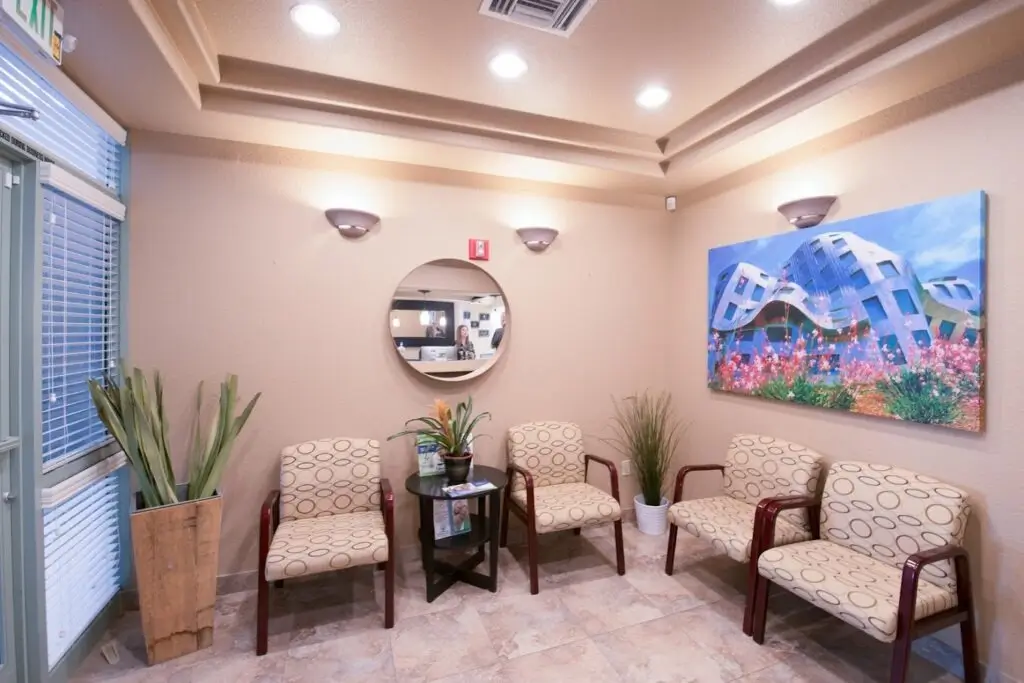
TruSmile Now Peoria
20542 N Lake Pleasant Rd, Suite 113
Peoria, AZ 85382
Phone: (602) 362-0447
Hours: Mon-Thu 9:00 AM – 5:00 PM
TruSmile Now Chandler
2900 W Ray Rd #3
Chandler, AZ 85224
Phone: (480) 393-0687
Hours: Mon-Thu 9:00 AM – 5:00 PM
TruSmile Now Ahwatukee (Phoenix)
4530 E Ray Rd #170
Phoenix, AZ 85044
Phone: (480) 360-4754
Hours: Mon 9-5, Tue 7am-2pm, Wed-Thu 10-7, Fri 8-3, Sat 8am-1pm
Serving Peoria, Chandler, Ahwatukee, Phoenix, Tempe, Mesa, Gilbert, Scottsdale, Glendale, Surprise, and the Greater Phoenix metro area.
New Patient Special: $49 – Includes exam, X-rays, and consultation!
We accept most major insurance including Delta Dental, Cigna, UnitedHealthcare, MetLife, Aetna, BCBS, and more. Medicare Part B accepted for medically necessary treatments.
We offer flexible payment plans through Cherry to make your treatment affordable.
Prefer texting over calling? Lucy, our AI-powered assistant, is always ready to chat. Ask her anything about our services or schedule your visit in seconds.
Ready for teeth whitening that lasts? Call any of our locations or schedule online today!
View our before and after gallery to see real patient results!