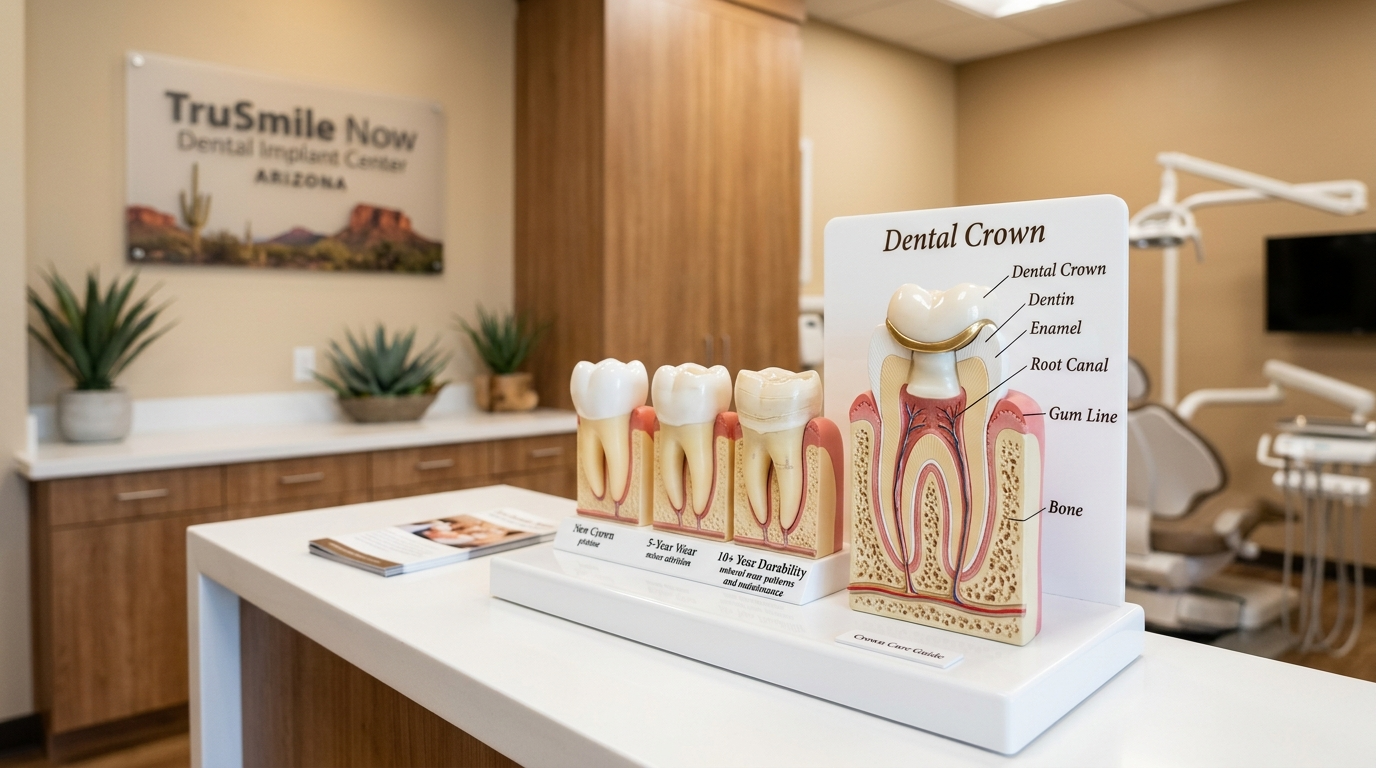
Dental crowns are one of the most common restorative treatments, but many patients wonder about their longevity. Understanding the dental crown lifespan helps you make informed decisions about your oral health and budget for future care. Most dental crowns last between 10 and 15 years, though some can last 20 years or longer with excellent care and favorable conditions.
At TruSmile Now, Dr. Hanna Choi, DDS, provides comprehensive general and restorative dental care with a gentle, patient-centered approach. Dr. Hanna Choi focuses on helping patients maintain optimal oral health while ensuring every treatment is tailored to their unique needs and delivers the best possible outcome.

The lifespan of your crown depends on several factors, including the material used, the location of the crowned tooth, your oral hygiene habits, and lifestyle factors like teeth grinding or chewing hard foods. With our state-of-the-art in-house dental lab, TruSmile Now creates custom crowns designed for durability and a natural appearance.
⏱️ WHAT IS THE AVERAGE DENTAL CROWN LIFESPAN?
The typical dental crown lifespan ranges from 10 to 15 years, according to the American Dental Association. However, this is an average, and many crowns exceed this timeframe with proper maintenance.
Research published in peer-reviewed dental journals shows that porcelain-fused-to-metal crowns have a 10-year survival rate of approximately 95%, while all-ceramic crowns demonstrate similar longevity when placed on properly prepared teeth. Some patients enjoy crowns that last 20 to 25 years or even longer, particularly when they maintain excellent oral hygiene and attend regular dental checkups.
Several factors influence how long your restoration will serve you:
- Crown material: Different materials offer varying durability levels
- Tooth location: Molars experience more chewing force than front teeth
- Oral hygiene: Daily brushing and flossing prevent decay around the crown margins
- Bite alignment: Proper occlusion reduces excessive wear
- Lifestyle habits: Grinding, clenching, or chewing ice can shorten lifespan
- Regular dental visits: Professional cleanings and exams catch problems early
At TruSmile Now, Dr. Hanna Choi evaluates each patient’s unique situation to recommend the most appropriate crown material and provide guidance on extending the life of your restoration.
🦷 FACTORS THAT AFFECT HOW LONG CROWNS LAST
Understanding what influences dental crown lifespan empowers you to take steps that maximize your investment in restorative dentistry.
Crown Material Makes a Difference
The type of material used significantly impacts durability:
Porcelain-Fused-to-Metal (PFM): These crowns combine strength with aesthetics and typically last 10-15 years. The metal substructure provides durability while the porcelain overlay offers a natural appearance.
All-Ceramic or All-Porcelain: Modern ceramic materials like zirconia offer excellent strength and the most natural appearance. High-quality all-ceramic crowns can last 15 years or more and are ideal for front teeth where aesthetics matter most.
Gold Alloy: Gold crowns are extremely durable and can last 20 years or longer. They withstand chewing forces exceptionally well, making them ideal for back molars, though many patients prefer more natural-looking options.
Base Metal Alloys: These are highly resistant to corrosion and wear, offering longevity similar to gold but with a silver appearance.
Location in Your Mouth
Crowns on back teeth (molars and premolars) experience significantly more biting force than front teeth. According to peer-reviewed research on occlusal forces, molars can experience forces of 200 pounds or more during chewing. This increased stress can reduce the lifespan compared to crowns on front teeth that experience less pressure.

Your Oral Hygiene Habits
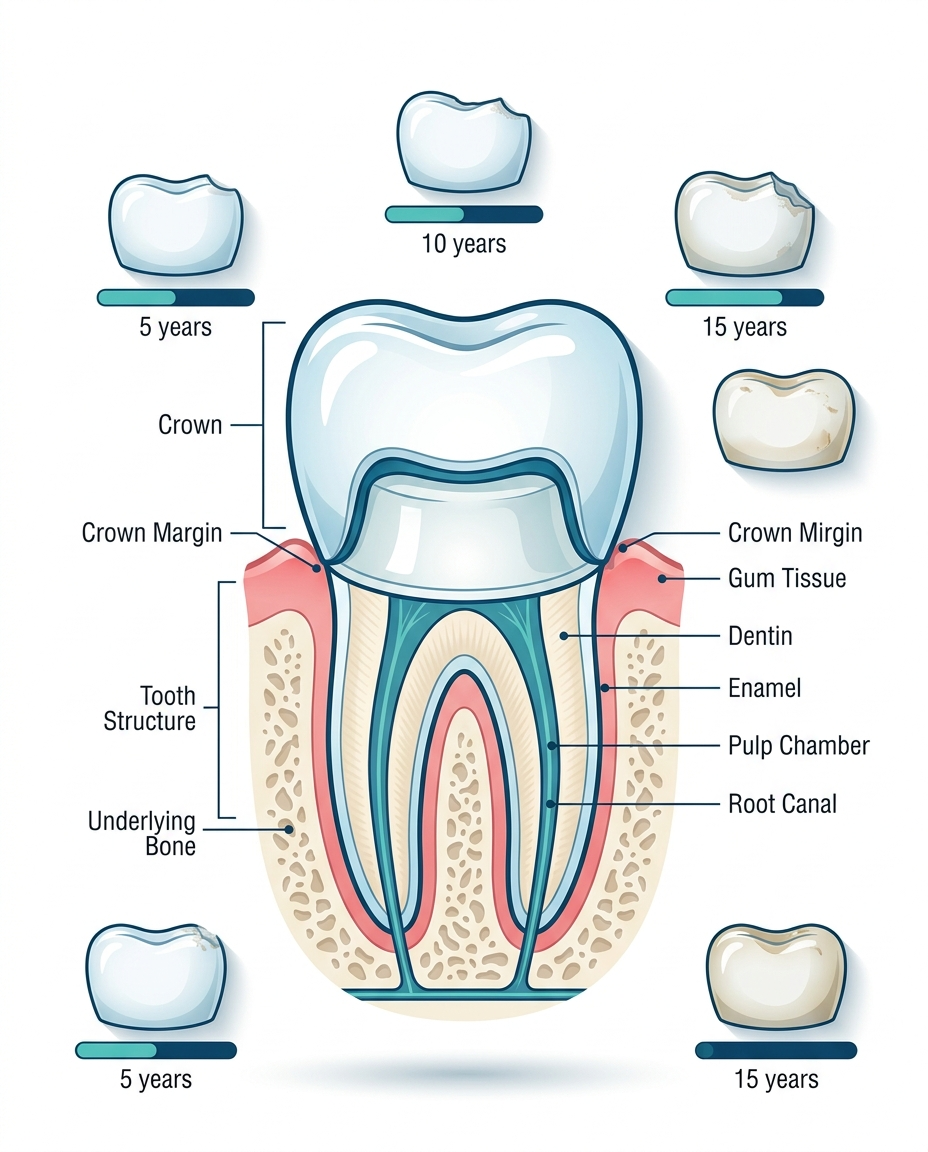
While the crown itself cannot decay, the underlying tooth structure remains vulnerable. Poor oral hygiene allows bacteria to accumulate at the crown margin (where the crown meets your natural tooth), potentially causing decay that compromises the crown’s fit and stability.
Daily brushing twice a day, flossing once daily, and using an antimicrobial mouthwash help prevent decay around your crown and maintain healthy gums. These simple habits can add years to your restoration’s life.
Lifestyle and Behavioral Factors
Certain habits significantly impact how long your restoration will last:
- Teeth grinding (bruxism): Grinding or clenching, especially during sleep, places enormous stress on crowns and can cause fractures or premature wear
- Chewing hard objects: Ice, hard candy, pens, or fingernails can crack or chip crowns
- Using teeth as tools: Opening packages or bottles with your teeth risks damaging restorations
- Acidic diet: Frequent consumption of acidic foods and beverages can erode the cement holding the crown
- Tobacco use: Smoking increases gum disease risk, which can compromise the supporting structures
If you grind your teeth, Dr. Hanna Choi may recommend a custom nightguard to protect your crowns and natural teeth from excessive wear.
✅ HOW TO MAXIMIZE YOUR DENTAL CROWN LIFESPAN
Taking proactive steps can significantly extend how long your crown serves you well.
Practice Excellent Oral Hygiene
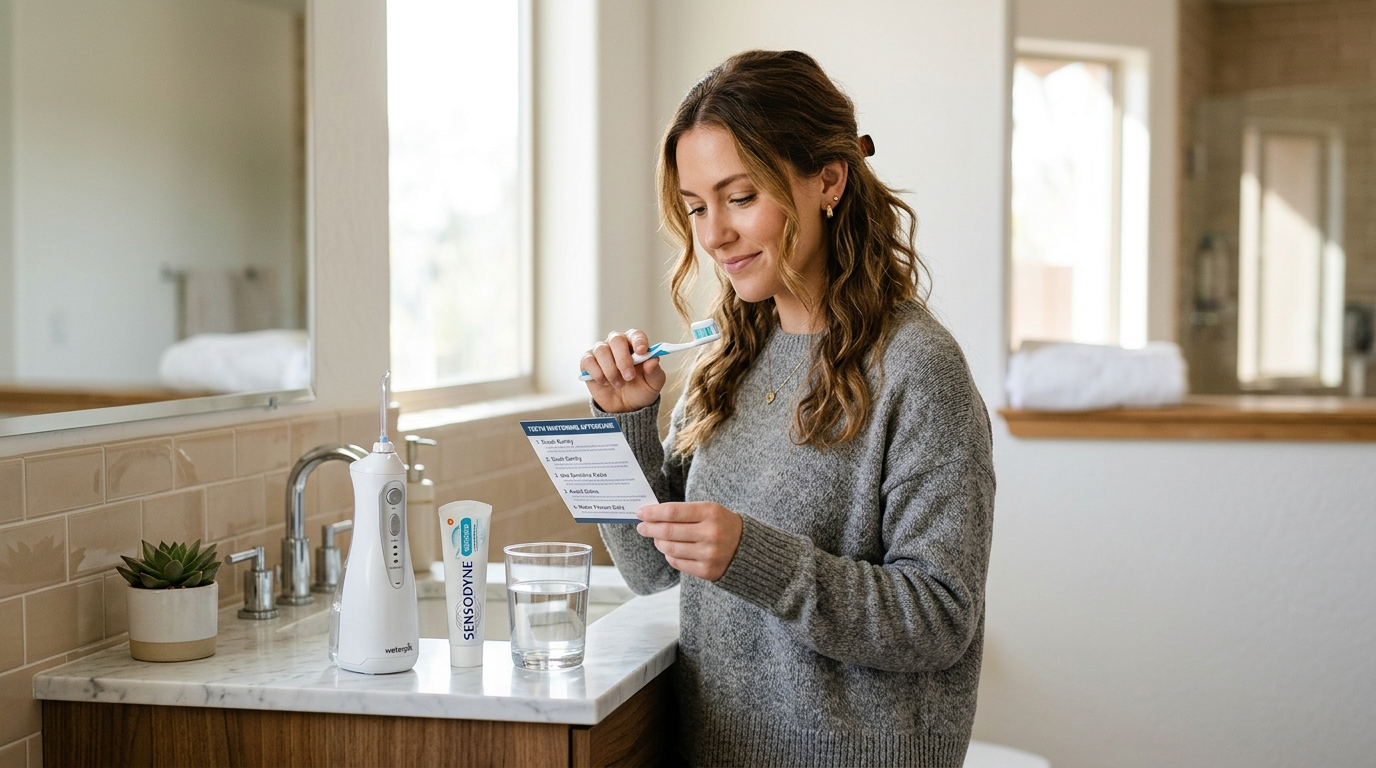
Treat your crowned tooth just like your natural teeth. Brush gently but thoroughly twice daily with fluoride toothpaste, paying special attention to the gum line where the crown meets your tooth. Floss daily, carefully sliding the floss down to the gum line and back up along each side of the crown.
Consider using a water flosser to clean around crowns, especially if you have multiple restorations or bridges. The National Institute of Dental and Craniofacial Research emphasizes that consistent oral hygiene prevents the most common causes of crown failure: decay and gum disease.
Attend Regular Dental Checkups
Professional cleanings every six months remove plaque and tartar that home care misses. During these visits, Dr. Hanna Choi examines your crowns for signs of wear, loose cement, or developing problems. Catching issues early often means simple repairs rather than crown replacement.
Regular X-rays help detect decay beneath crowns before it becomes visible or symptomatic, allowing for timely intervention that can save the restoration.
Protect Against Grinding and Clenching
If you grind your teeth, a custom-fitted nightguard provides a protective barrier that absorbs the forces that would otherwise damage your crowns. These appliances are particularly important for patients with multiple crowns or expensive restorations.
Be Mindful of What You Eat
Avoid chewing ice, hard candy, or other extremely hard foods with crowned teeth. Be cautious with sticky foods like caramel or taffy, which can pull crowns loose, especially if the cement has weakened over time.
Cut corn off the cob rather than biting directly into it, and slice apples or crusty bread into smaller pieces to reduce stress on your crowns.
⚠️ SIGNS YOUR CROWN MAY NEED REPLACEMENT
Even with excellent care, crowns eventually wear out. Recognizing warning signs helps you address problems before they become emergencies.
Sensitivity or pain: New sensitivity to hot, cold, or pressure may indicate decay beneath the crown or a loose fit.
Visible wear or damage: Chips, cracks, or noticeable wear on the chewing surface compromise the crown’s integrity and protection of the underlying tooth.
Loose feeling: If your crown feels like it is moving or if you can wiggle it with your tongue, the cement may have failed. Contact TruSmile Now immediately, as a loose crown allows bacteria to enter and cause decay.
Dark line at the gum line: A dark line where the crown meets your gum might indicate metal showing through on a PFM crown or, more concerning, decay at the margin.
Gum inflammation: Red, swollen, or bleeding gums around a crown suggest poor fit or hygiene issues that need professional attention.
Bad taste or odor: An unpleasant taste or smell around a crowned tooth may indicate decay or infection beneath the restoration.
If you notice any of these signs, schedule an appointment with Dr. Hanna Choi promptly. Early intervention often prevents more extensive and expensive treatment.
💰 CROWN REPLACEMENT COSTS AND PAYMENT OPTIONS
When the time comes to replace a crown, understanding costs helps you plan accordingly. Crown prices vary based on material, complexity, and whether additional procedures are needed.
At TruSmile Now, we believe quality dental care should be accessible. We accept most major insurance plans, including Delta Dental, Cigna, UnitedHealthcare, MetLife, Aetna, and Blue Cross Blue Shield of Arizona. Many dental insurance plans cover a portion of crown costs, typically 50% after you meet your deductible.
For patients without insurance or those with remaining out-of-pocket costs, we offer flexible payment plans through Cherry to make treatment affordable. These plans allow you to spread payments over time with manageable monthly installments.
Our New Patient Special is just $49 and includes a comprehensive exam, necessary X-rays, and consultation. During this visit, Dr. Hanna Choi evaluates your existing crowns and discusses any needed replacements or preventive care.
🏥 WHY CHOOSE TRUSMILE NOW FOR YOUR DENTAL CROWNS
TruSmile Now offers several advantages that help ensure your crowns last as long as possible:
State-of-the-Art In-House Dental Lab: Unlike practices that send impressions to outside labs, our on-site lab allows for precise control over crown fabrication. This means better fit, superior aesthetics, and often faster turnaround times.
Advanced Technology: We use digital impressions and 3D imaging for accurate crown design. Our free consultation includes a 3D Cone Beam CT scan when needed, providing detailed views that ensure optimal crown placement.
Experienced Team: With six experienced doctors spanning all specialties, TruSmile Now provides comprehensive care under one roof. Dr. Hanna Choi brings extensive experience in restorative dentistry and stays current with the latest materials and techniques.
Convenient Locations: With offices in Peoria, Chandler, and Ahwatukee (Phoenix), quality dental care is never far away. We offer same-day emergency appointments when you need urgent attention.
Patient-Centered Approach: We take time to explain your options, answer questions, and develop treatment plans that align with your goals and budget. Your comfort and satisfaction are our top priorities.
❓ FREQUENTLY ASKED QUESTIONS
How long do crowns last on average?
Most dental crowns last between 10 and 15 years with proper care. However, many factors influence dental crown lifespan, including the material used, location in your mouth, oral hygiene habits, and lifestyle factors. Some crowns last 20 years or longer, while others may need replacement sooner if subjected to excessive forces or poor maintenance.
What type of crown lasts the longest?
Gold alloy crowns typically last the longest, often 20 years or more, due to their exceptional durability and resistance to wear. However, modern zirconia (a type of ceramic) crowns offer comparable longevity with superior aesthetics. The best choice depends on the tooth location, your bite forces, aesthetic preferences, and budget. Dr. Hanna Choi can recommend the most appropriate material for your specific situation.
Can a crown last 30 years?
Yes, some crowns can last 30 years or even longer, though this is less common. Factors that contribute to exceptional longevity include excellent oral hygiene, regular dental checkups, minimal bite stress, high-quality materials and fabrication, and absence of habits like grinding or clenching. Even if the crown itself remains intact, the underlying tooth or surrounding gums may develop issues that necessitate replacement after several decades.
How do I know when my crown needs to be replaced?
Signs that your crown may need replacement include sensitivity or pain, visible chips or cracks, a loose feeling when you touch it with your tongue, a dark line at the gum margin, inflammation or bleeding around the crown, or an unpleasant taste or odor. Regular dental exams allow Dr. Hanna Choi to monitor your crowns and recommend replacement before problems become serious. Even without symptoms, X-rays may reveal hidden decay that requires attention.
Does insurance cover crown replacement?
Most dental insurance plans cover crown replacement if the existing crown is at least five years old and replacement is medically necessary due to damage, decay, or other clinical reasons. Coverage typically ranges from 50% of the cost after your deductible. Insurance generally does not cover replacement for purely cosmetic reasons or if the crown is relatively new. TruSmile Now accepts most major insurance plans and our team can verify your benefits and explain your coverage before treatment begins.
Can I extend the life of my dental crown?
Absolutely! You can significantly extend your dental crown lifespan by maintaining excellent oral hygiene (brushing twice daily and flossing once daily), attending regular dental checkups and cleanings every six months, wearing a nightguard if you grind your teeth, avoiding hard foods and using teeth as tools, and addressing any dental problems promptly. These simple steps can add years to your restoration and protect your investment in your smile.
📍 VISIT TRUSMILE NOW – 3 ARIZONA LOCATIONS
TruSmile Now Peoria
20542 N Lake Pleasant Rd, Suite 113
Peoria, AZ 85382
Phone: (602) 362-0447
Hours: Mon-Thu 9:00 AM – 5:00 PM
TruSmile Now Chandler
2900 W Ray Rd #3
Chandler, AZ 85224
Phone: (480) 393-0687
Hours: Mon-Thu 9:00 AM – 5:00 PM
TruSmile Now Ahwatukee (Phoenix)
4530 E Ray Rd #170
Phoenix, AZ 85044
Phone: (480) 360-4754
Hours: Mon 9-5, Tue 7am-2pm, Wed-Thu 10-7, Fri 8-3, Sat 8am-1pm
Serving Peoria, Chandler, Ahwatukee, Phoenix, Tempe, Mesa, Gilbert, Scottsdale, Glendale, Surprise, and the Greater Phoenix metro area.
New Patient Special: $49 – Includes exam, X-rays, and consultation!
We accept most major insurance including Delta Dental, Cigna, UnitedHealthcare, MetLife, Aetna, BCBS, and more. Medicare Part B accepted for medically necessary treatments.
We offer flexible payment plans through Cherry to make your treatment affordable.
Prefer texting over calling? Lucy, our AI-powered assistant, is always ready to chat. Ask her anything about our services or schedule your visit in seconds.
Ready to learn more about dental crown lifespan and how to protect your investment? Call any of our locations or schedule online today!
View our before and after gallery to see real patient results!