Gum disease affects nearly half of all adults over 30 in the United States, yet it is one of the most preventable dental conditions. The good news? You have complete control over your gum health through simple daily habits and regular professional care. Understanding how to prevent gum disease starts with knowing what causes it and taking consistent action to protect your smile.
At TruSmile Now, Dr. Hanna Choi, DDS, believes that prevention is the foundation of great dental health. With a focus on gentle, thorough preventive care, Dr. Hanna Choi helps patients maintain healthy gums and catch potential issues early, so you can avoid more complex treatments down the road.

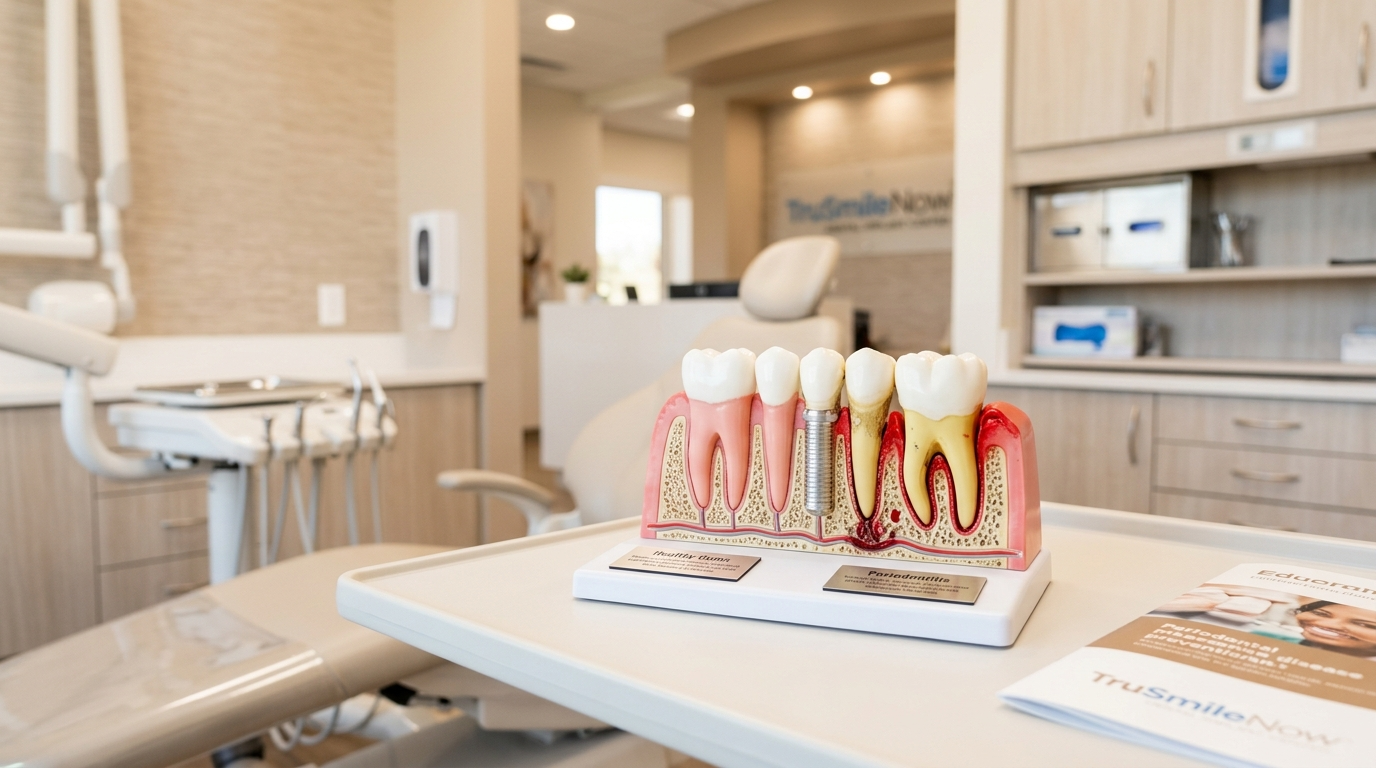
Gum disease, also called periodontal disease, begins when plaque builds up along and under the gum line. This sticky bacterial film hardens into tartar if not removed, causing inflammation, bleeding, and eventually bone loss if left untreated. The early stage, gingivitis, is completely reversible with proper care. The advanced stage, periodontitis, requires professional intervention but can still be managed effectively.
🦷 UNDERSTANDING WHAT CAUSES GUM DISEASE
Before you can effectively prevent gum disease, you need to understand what triggers it. The primary culprit is plaque, a colorless film of bacteria that constantly forms on your teeth. When plaque is not removed through brushing and flossing, it releases toxins that irritate gum tissue and cause infection.
Several risk factors increase your chances of developing periodontal problems. Smoking is one of the most significant, as it weakens your immune system and makes it harder for gums to heal. According to the Centers for Disease Control and Prevention, smokers are twice as likely to develop gum disease compared to non-smokers.
Other contributing factors include diabetes, hormonal changes in women, certain medications that reduce saliva flow, genetic predisposition, poor nutrition, and stress. Recognizing your personal risk factors helps you take targeted action to prevent gum disease before it starts.
✅ DAILY HABITS THAT PREVENT GUM DISEASE
The foundation of gum disease prevention lies in your daily oral hygiene routine. Consistency matters more than intensity. Here are the seven proven habits that Dr. Hanna Choi recommends to every patient at TruSmile Now.
1. Brush Twice Daily with Proper Technique
Brushing removes plaque before it hardens into tartar. Use a soft-bristled toothbrush and fluoride toothpaste. Hold your brush at a 45-degree angle to your gums and use gentle circular motions. Brush for at least two minutes, covering all surfaces of your teeth. Replace your toothbrush every three to four months or sooner if bristles become frayed.
Electric toothbrushes can be particularly effective at removing plaque and are easier for people with limited mobility. The key is consistency and thoroughness, not aggressive scrubbing, which can actually damage gum tissue.
2. Floss Every Single Day
Flossing reaches the 40% of tooth surfaces that brushing misses. It removes plaque and food particles from between teeth and under the gum line, areas where gum disease often begins. The American Dental Association confirms that daily flossing is essential for preventing gingivitis and maintaining healthy gums.
Use about 18 inches of floss, winding most around your middle fingers. Gently slide it between teeth using a rubbing motion, curve it around each tooth in a C-shape, and move it up and down under the gum line. If traditional floss is difficult, try floss picks, water flossers, or interdental brushes.

3. Use Antimicrobial Mouthwash
An antimicrobial or antiseptic mouthwash adds an extra layer of protection by reducing bacteria in your mouth. Look for products containing chlorhexidine, cetylpyridinium chloride, or essential oils. Rinse for 30 seconds after brushing and flossing to reach areas your brush and floss might have missed.
While mouthwash should never replace brushing and flossing, it can significantly reduce plaque and gingivitis when used as part of a complete oral hygiene routine. Ask Dr. Hanna Choi which mouthwash is best for your specific needs during your next visit to TruSmile Now.
4. Maintain a Balanced Diet
Your diet directly impacts your gum health. Foods high in sugar and refined carbohydrates feed harmful bacteria that cause gum disease. Instead, focus on nutrient-dense foods that support oral health. Vitamin C strengthens gum tissue, calcium and vitamin D build strong teeth and bones, and antioxidants fight inflammation.
Include plenty of fresh fruits and vegetables, lean proteins, dairy products, nuts, and whole grains in your diet. Crunchy vegetables like celery and carrots can even help clean teeth naturally. Stay hydrated by drinking plenty of water throughout the day, which helps rinse away food particles and bacteria.
5. Quit Smoking and Tobacco Use
If you use tobacco in any form, quitting is one of the most important steps you can take to prevent gum disease. Smoking weakens your immune system, reduces blood flow to the gums, and interferes with healing. It also masks symptoms like bleeding, making it harder to detect problems early.
Research published in the Journal of Periodontology shows that smokers have significantly higher rates of periodontal disease and respond less favorably to treatment. The good news is that your gum health begins to improve within weeks of quitting.
6. Manage Stress Effectively
Chronic stress weakens your immune system and makes it harder for your body to fight off bacterial infections, including those that cause gum disease. Stress can also lead to teeth grinding, poor dietary choices, and neglecting oral hygiene routines.
Find healthy ways to manage stress through regular exercise, adequate sleep, meditation, or hobbies you enjoy. If you grind your teeth at night due to stress, ask about a custom night guard to protect your teeth and gums from damage.
7. Schedule Regular Dental Cleanings
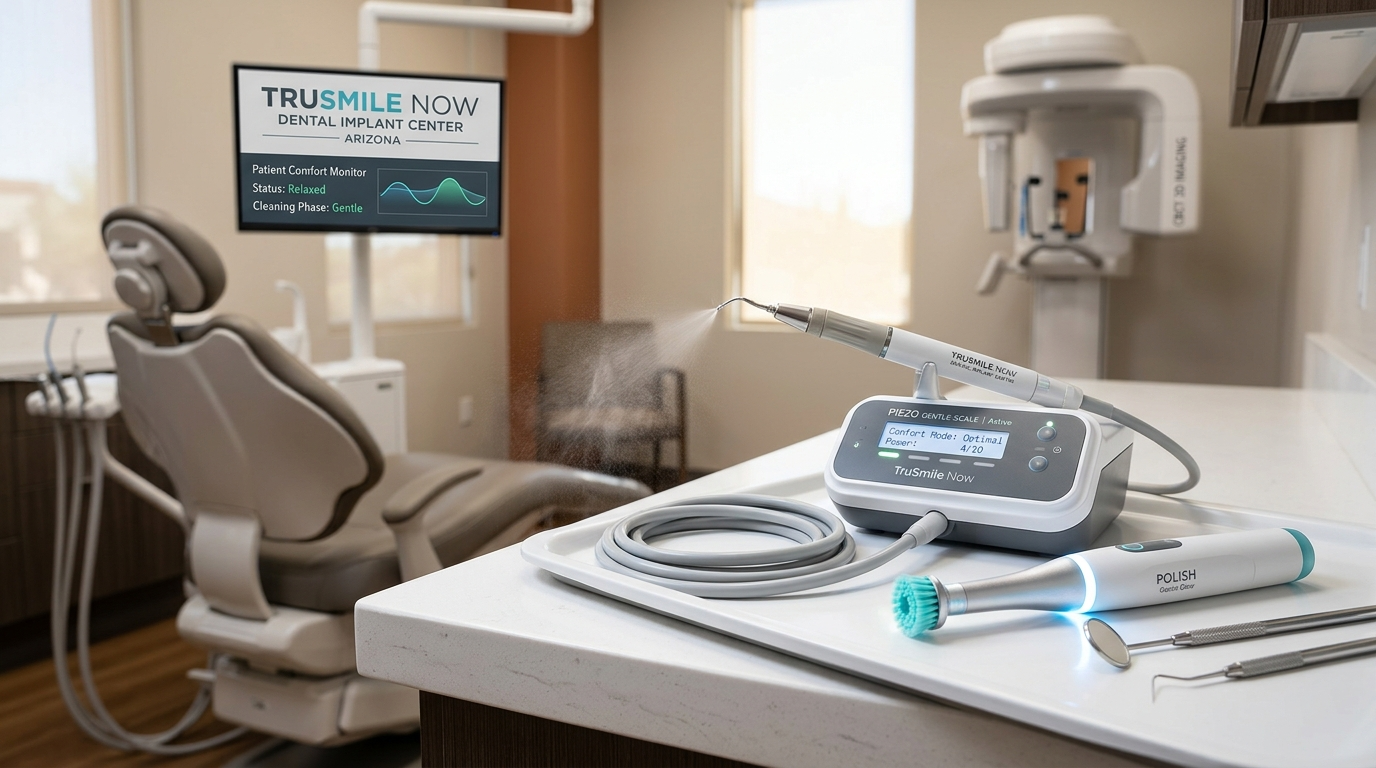
Even with excellent home care, professional cleanings are essential to prevent gum disease. Your hygienist removes hardened tartar that you cannot eliminate with brushing and flossing alone. Regular checkups also allow early detection of gingivitis before it progresses to more serious periodontitis.
Most people should visit the dentist every six months, but you may need more frequent cleanings if you have risk factors for gum disease. At TruSmile Now, we offer comprehensive preventive care tailored to your individual needs.
📊 RECOGNIZING EARLY WARNING SIGNS
Even when you take steps to prevent gum disease, it is important to recognize early warning signs so you can seek treatment promptly. Healthy gums are firm, pink, and do not bleed when you brush or floss. Any changes from this baseline deserve attention.
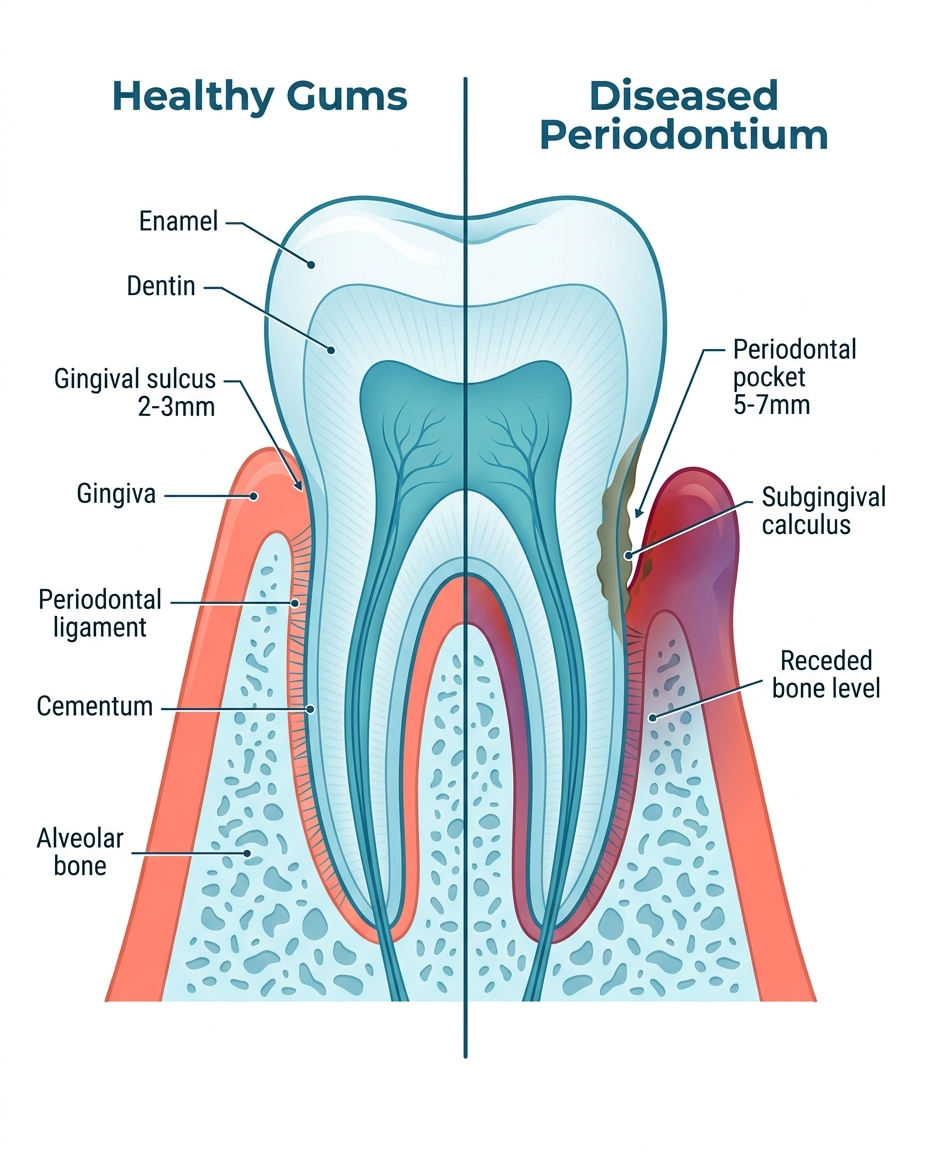
Watch for these symptoms: red, swollen, or tender gums; bleeding when brushing or flossing; receding gums that make teeth appear longer; persistent bad breath or bad taste; loose teeth; changes in your bite; or pus between teeth and gums. If you notice any of these signs, schedule an appointment immediately.
Early-stage gum disease (gingivitis) is completely reversible with improved oral hygiene and professional cleaning. Once it progresses to periodontitis, the damage cannot be fully reversed, but it can be managed to prevent further deterioration. This is why prevention and early detection are so critical.
💰 THE COST OF PREVENTION VS. TREATMENT
Investing in prevention is far more affordable than treating advanced gum disease. Routine cleanings and checkups cost a fraction of what you would pay for deep cleanings, gum surgery, or tooth replacement if periodontal disease progresses unchecked.
At TruSmile Now, our New Patient Special is just $49 and includes a comprehensive exam, X-rays, and consultation. Regular preventive visits are typically covered by dental insurance, making it easy to maintain your gum health without financial stress.
We accept most major insurance plans including Delta Dental, Cigna, UnitedHealthcare, MetLife, Aetna, and Blue Cross Blue Shield of Arizona. For treatments not fully covered by insurance, we offer flexible payment plans through Cherry to make care affordable for every budget.
🏥 PROFESSIONAL TREATMENTS THAT SUPPORT PREVENTION
Beyond your daily routine, several professional treatments can help you prevent gum disease or catch it in its earliest stages. During your regular cleaning, your hygienist will measure the depth of pockets around each tooth. Healthy pockets measure 1-3 millimeters. Deeper pockets indicate gum disease and require additional treatment.
For patients at higher risk, we may recommend more frequent cleanings, prescription antimicrobial mouth rinses, or fluoride treatments to strengthen enamel and reduce bacterial growth. If early gum disease is detected, a deep cleaning procedure called scaling and root planing can remove bacteria from below the gum line and smooth root surfaces to promote healing.
At TruSmile Now, we use advanced diagnostic tools including 3D Cone Beam CT scans to assess bone health and detect periodontal problems that might not be visible on traditional X-rays. This technology allows us to create highly personalized prevention plans for each patient.
🔬 THE CONNECTION BETWEEN GUM HEALTH AND OVERALL HEALTH
Your efforts to prevent gum disease do more than protect your smile. Research has established strong links between periodontal health and overall systemic health. Bacteria from infected gums can enter your bloodstream and contribute to heart disease, stroke, diabetes complications, respiratory infections, and pregnancy complications.
People with diabetes are particularly vulnerable to gum disease, and gum disease makes it harder to control blood sugar levels, creating a dangerous cycle. If you have diabetes or other chronic health conditions, working closely with both your physician and dentist is essential.
The inflammation caused by gum disease affects your entire body, not just your mouth. By maintaining healthy gums, you are investing in your cardiovascular health, immune function, and overall quality of life.
❓ FREQUENTLY ASKED QUESTIONS
Can you prevent gum disease if it runs in your family?
Yes, even if you have a genetic predisposition to gum disease, you can still prevent it through excellent oral hygiene and regular professional care. While genetics increase your risk, they do not guarantee you will develop periodontal problems. Focus on the factors you can control: brush twice daily, floss every day, avoid tobacco, eat a healthy diet, and see your dentist regularly for cleanings and checkups.
How often should I get professional cleanings to prevent gum disease?
Most people should have professional cleanings every six months. However, if you have risk factors such as smoking, diabetes, a history of gum disease, or genetic predisposition, Dr. Hanna Choi may recommend cleanings every three to four months. More frequent visits allow us to remove tartar buildup before it causes inflammation and to monitor your gum health closely.
Is it possible to reverse gum disease once it starts?
Early-stage gum disease (gingivitis) is completely reversible with improved oral hygiene and professional cleaning. Once it progresses to periodontitis, the bone and tissue damage cannot be fully reversed, but the disease can be controlled and managed to prevent further deterioration. This is why early detection and prevention are so important. If you notice bleeding, swelling, or other warning signs, schedule an appointment right away.
Does mouthwash really help prevent gum disease?
Antimicrobial mouthwash can be a helpful addition to your oral hygiene routine, but it should never replace brushing and flossing. Mouthwash containing chlorhexidine, cetylpyridinium chloride, or essential oils can reduce bacteria and plaque, especially in hard-to-reach areas. Use it after brushing and flossing for maximum benefit. Ask your dentist which mouthwash is best for your specific needs.
What should I do if my gums bleed when I brush or floss?
Bleeding gums are often an early sign of gingivitis, the mildest form of gum disease. Do not stop brushing or flossing. Instead, continue your oral hygiene routine gently but thoroughly. The bleeding should decrease within a week or two as inflammation reduces. If bleeding persists beyond two weeks, schedule a dental appointment. Chronic bleeding indicates that plaque and tartar have accumulated below the gum line and require professional removal.
Are electric toothbrushes better for preventing gum disease?
Electric toothbrushes can be more effective at removing plaque than manual brushes, especially for people who have difficulty with proper brushing technique or limited dexterity. The oscillating or sonic motion helps dislodge plaque more thoroughly. Many electric brushes also have built-in timers to ensure you brush for the full two minutes. However, a manual brush used correctly is also highly effective. The most important factors are technique, consistency, and thoroughness.
📍 VISIT TRUSMILE NOW – 3 ARIZONA LOCATIONS

TruSmile Now Peoria
20542 N Lake Pleasant Rd, Suite 113
Peoria, AZ 85382
Phone: (602) 362-0447
Hours: Mon-Thu 9:00 AM – 5:00 PM
TruSmile Now Chandler
2900 W Ray Rd #3
Chandler, AZ 85224
Phone: (480) 393-0687
Hours: Mon-Thu 9:00 AM – 5:00 PM
TruSmile Now Ahwatukee (Phoenix)
4530 E Ray Rd #170
Phoenix, AZ 85044
Phone: (480) 360-4754
Hours: Mon 9-5, Tue 7am-2pm, Wed-Thu 10-7, Fri 8-3, Sat 8am-1pm
Serving Peoria, Chandler, Ahwatukee, Phoenix, Tempe, Mesa, Gilbert, Scottsdale, Glendale, Surprise, and the Greater Phoenix metro area.
New Patient Special: $49 – Includes exam, X-rays, and consultation!
We accept most major insurance including Delta Dental, Cigna, UnitedHealthcare, MetLife, Aetna, BCBS, and more. Medicare Part B accepted for medically necessary treatments.
We offer flexible payment plans through Cherry to make your treatment affordable.
Prefer texting over calling? Lucy, our AI-powered assistant, is always ready to chat. Ask her anything about our services or schedule your visit in seconds.
Ready to prevent gum disease and maintain optimal oral health? Call any of our locations or schedule online today!
View our before and after gallery to see real patient results!