Finding the most comfortable denture to wear can transform your daily life, from how you eat and speak to how confident you feel smiling in public. With today’s advanced dental technology, dentures have come a long way from the bulky, ill-fitting appliances of the past. Modern options range from traditional removable dentures to implant-supported solutions that feel remarkably natural. The right choice depends on your oral health, lifestyle, budget, and personal preferences.
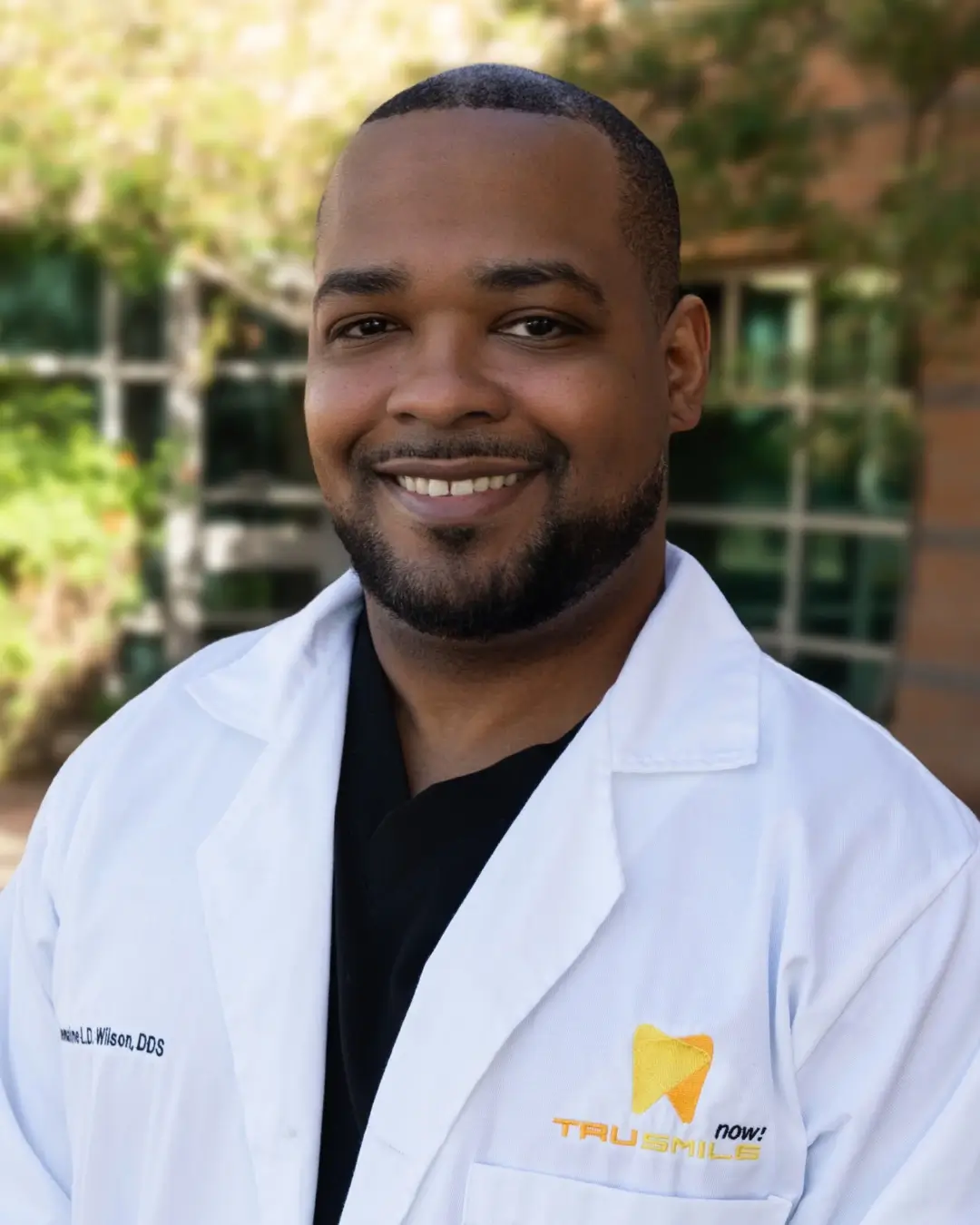
At TruSmile Now, Dr. Wremaine Wilson, DDS, brings a passion for transformative dental care to every implant case. With training in general, cosmetic, and implant dentistry, Dr. Wilson focuses on helping patients regain full function and confidence through permanent tooth replacement solutions.
The quest for comfortable dentures begins with understanding what makes one type more comfortable than another. Factors like fit, stability, material quality, and how the denture interacts with your gums and jawbone all play crucial roles. Whether you are getting dentures for the first time or looking to upgrade from an older set, knowing your options helps you make an informed decision that suits your unique situation.
🦷 TYPES OF COMFORTABLE DENTURES AVAILABLE TODAY
When searching for comfortable dentures, you will encounter several distinct types, each with unique advantages. Implant-supported dentures consistently rank as the most comfortable option because they anchor directly to dental implants surgically placed in your jawbone. This eliminates the slipping, sliding, and sore spots that plague many traditional denture wearers.
According to peer-reviewed research on denture satisfaction, patients with implant-supported dentures report significantly higher comfort levels and quality of life compared to those wearing conventional removable dentures. The stability provided by implants allows you to eat a wider variety of foods and speak more clearly without worrying about your dentures shifting.
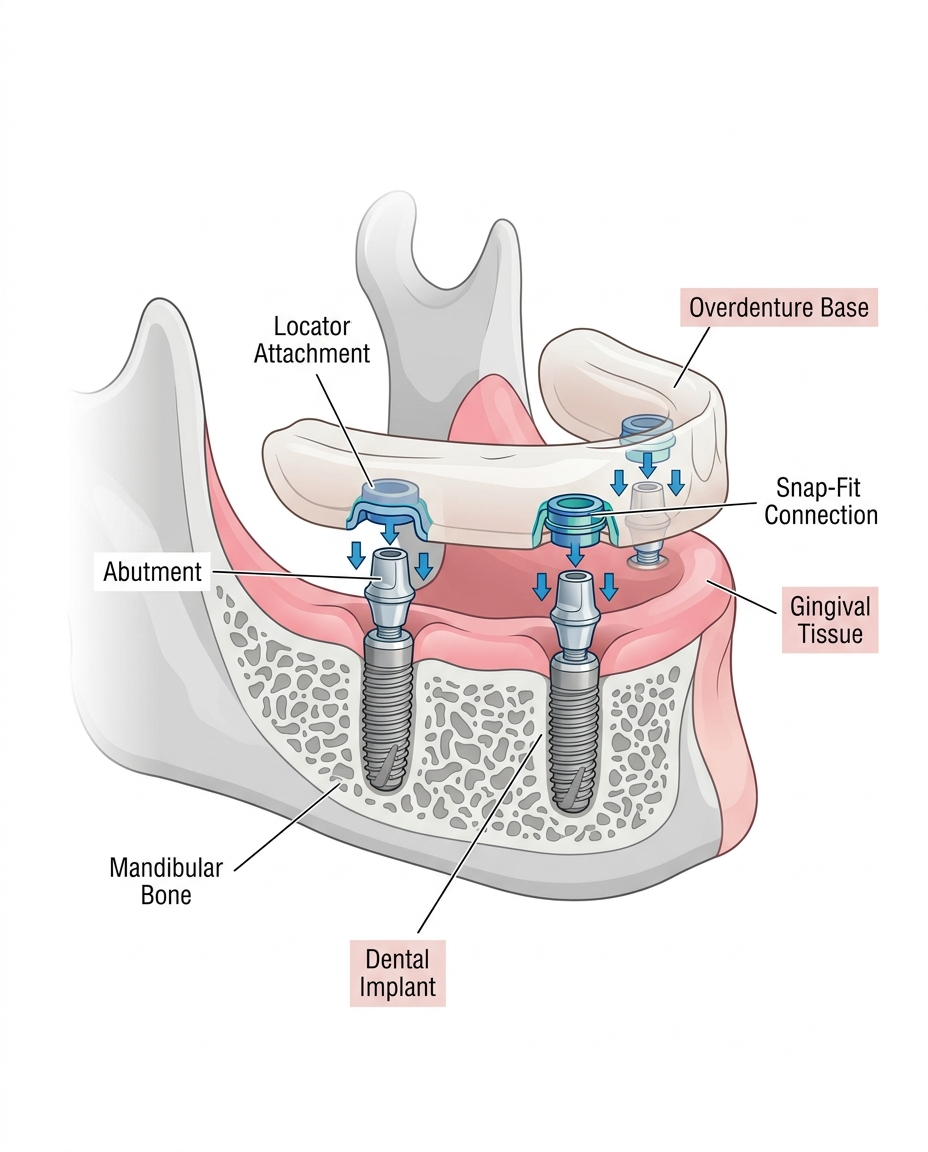
Snap-on dentures represent a popular middle ground between traditional dentures and full implant bridges. These dentures snap onto two to four dental implants, providing excellent retention while remaining removable for cleaning. At TruSmile Now, snap-on dentures with 2 implants start at $3,999, while snap-on dentures with 4 implants start at $7,999. Many patients find this option delivers remarkable comfort without the higher cost of fixed implant bridges.
Flexible partial dentures made from thermoplastic materials like Valplast offer another comfortable alternative for patients missing some but not all teeth. These lightweight dentures flex slightly to adapt to your mouth’s movements, eliminating the metal clasps that can irritate gums. The thin, gum-colored material blends naturally with your tissues, making them virtually invisible.
Precision dentures crafted with advanced CAD/CAM technology provide superior fit compared to standard dentures. At TruSmile Now, our state-of-the-art in-house dental lab allows us to create custom prosthetics with exceptional precision. This technology ensures your dentures fit the unique contours of your mouth perfectly, reducing pressure points and irritation.

✅ FACTORS THAT DETERMINE DENTURE COMFORT
Understanding what makes comfortable dentures truly comfortable helps you evaluate your options more effectively. Proper fit stands as the single most important factor. Even the highest-quality denture materials will cause problems if the denture does not fit your mouth correctly. Your gums, jawbone shape, and bite alignment must all be carefully considered during the design process.
Jawbone density significantly impacts comfort, especially with traditional dentures that rest directly on your gums. Over time, missing teeth cause your jawbone to resorb or shrink, a process that can make dentures fit poorly and feel uncomfortable. The American Dental Association notes that implant-supported options help preserve jawbone by providing stimulation similar to natural tooth roots.
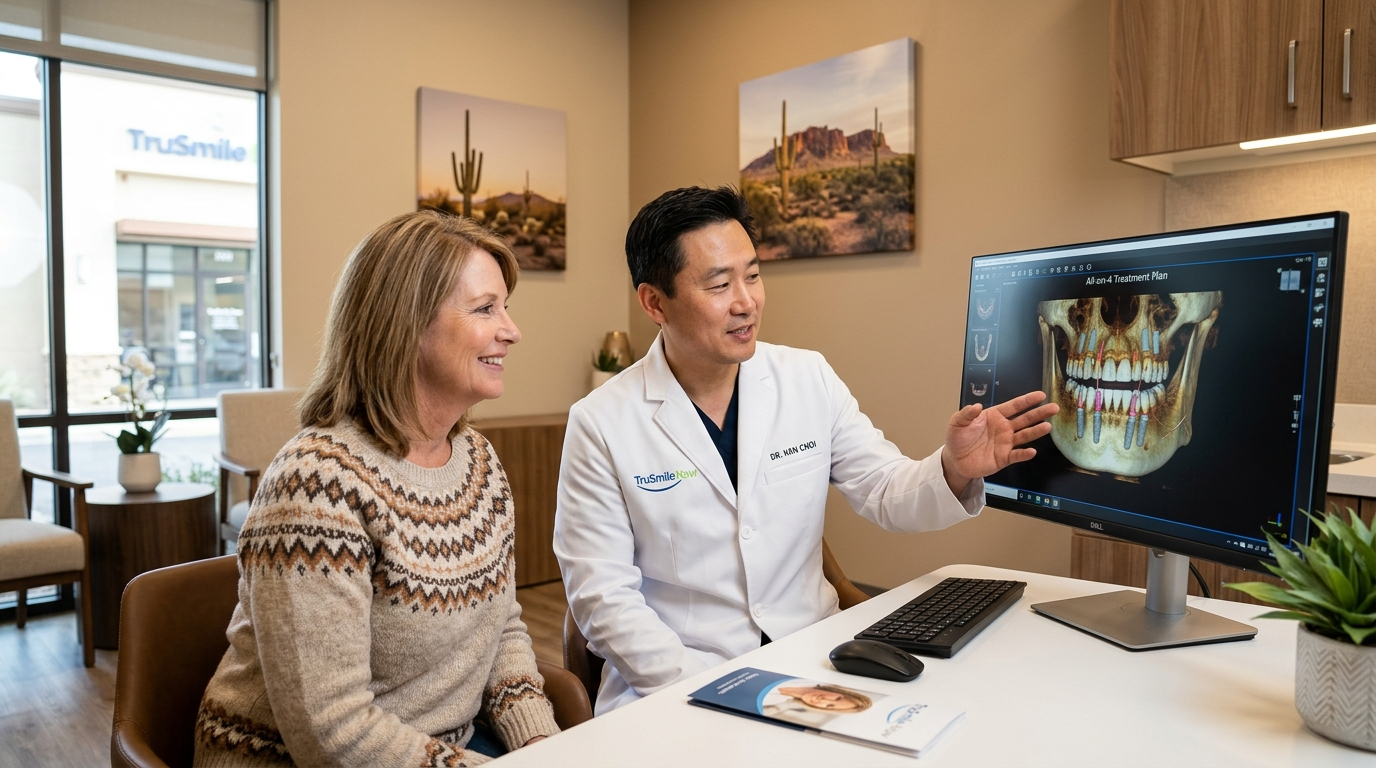
Material selection affects both comfort and durability. Modern acrylic resins offer lightweight comfort and easy adjustability, while materials like Valplast provide flexibility that adapts to mouth movements. For implant-supported solutions, the prosthetic can be made from PMMA (a durable acrylic) or zirconia (a premium ceramic material). Our All-on-4 with zirconia option starting at $13,999 provides exceptional strength and a natural appearance.
Retention method determines how well your dentures stay in place. Traditional dentures rely on suction and denture adhesives, which many patients find messy and unreliable. Implant-supported options eliminate this concern entirely. Even two implants can dramatically improve retention, making eating and speaking far more comfortable and natural.
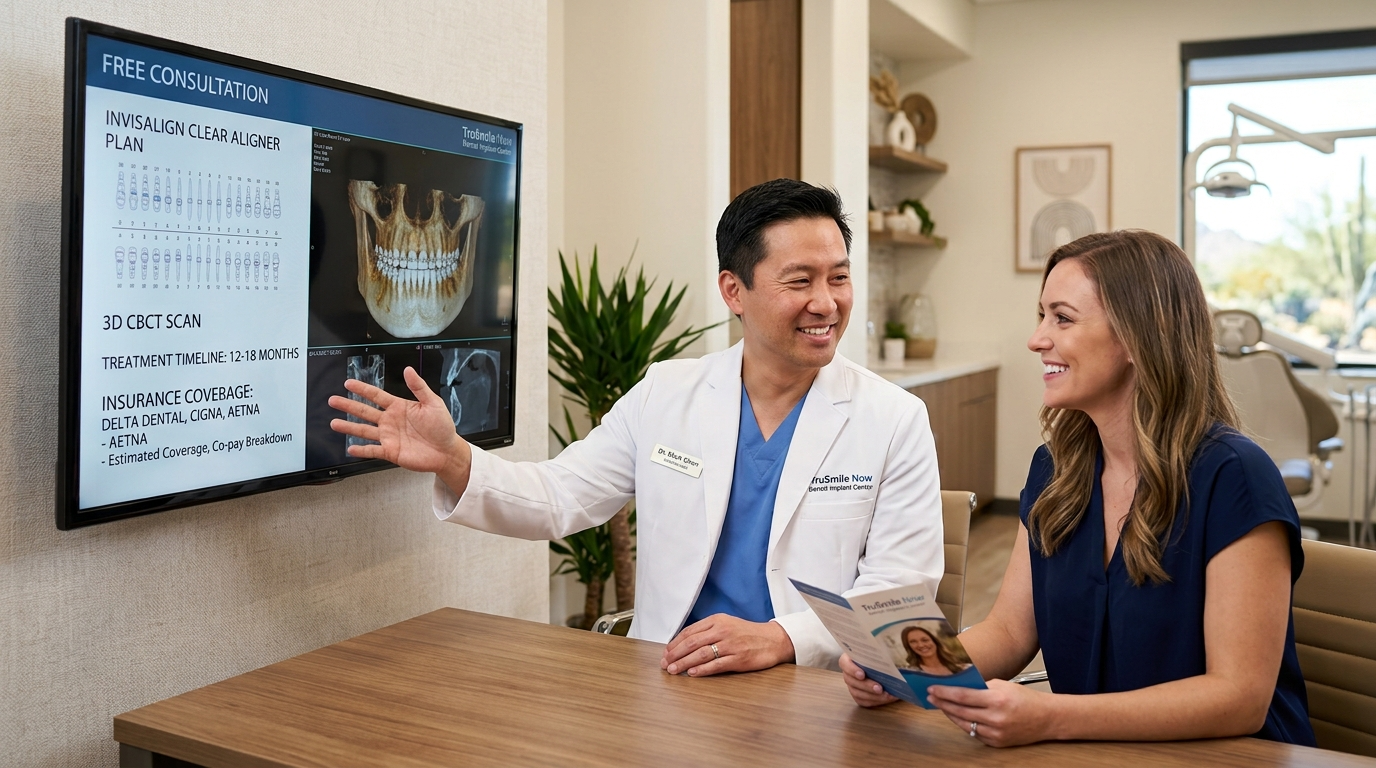
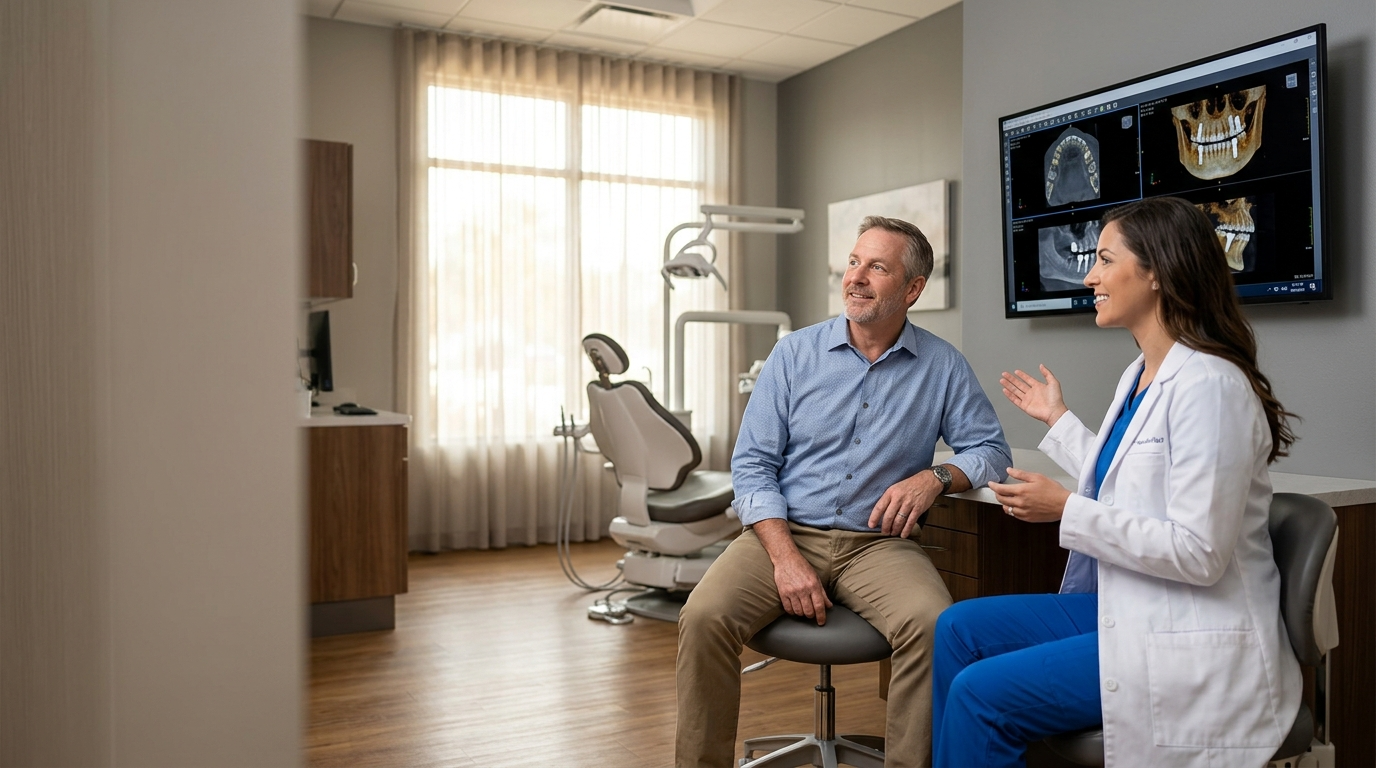
Your individual anatomy also plays a role. Some people have more favorable ridge shapes and tissue quality that support traditional dentures better. Others may have flat ridges, excess salivation, or sensitive gag reflexes that make conventional dentures particularly challenging. A thorough examination, including our complimentary 3D Cone Beam CT scan, helps identify the best solution for your specific situation.
📊 COMPARING COMFORT LEVELS ACROSS DENTURE TYPES
When patients ask about the most comfortable denture to wear, the answer often depends on comparing specific features across different types. Stability during eating varies dramatically. Traditional dentures may shift when biting into firm foods like apples or corn on the cob, while implant-supported options remain completely stable, allowing you to eat virtually anything.
Gum irritation and sore spots commonly affect traditional denture wearers, especially during the adjustment period. Pressure points develop where the denture presses unevenly against soft tissue. While adjustments can minimize these issues, implant-supported dentures eliminate them by distributing force directly to the implants rather than your gums.
Speech clarity improves significantly with stable dentures. Traditional upper dentures cover your palate, which can affect pronunciation and reduce your ability to taste food. Implant-supported dentures can be designed without palatal coverage, preserving natural speech patterns and taste sensation. Many patients report feeling like they have their natural teeth back.
Maintenance requirements differ between types. Traditional and snap-on dentures require daily removal and cleaning, while fixed implant bridges are cleaned like natural teeth with brushing and flossing. Some patients prefer the ability to remove their dentures at night, while others appreciate the convenience of a permanent solution.
Long-term comfort favors implant-supported solutions because they prevent the bone loss that causes traditional dentures to fit progressively worse over time. Conventional dentures typically need relining every few years and replacement every 5-7 years as your jaw shape changes. Implant solutions maintain their fit indefinitely with proper care.
💰 COST CONSIDERATIONS FOR COMFORTABLE DENTURES
Budget naturally influences which comfortable dentures you choose, but understanding the total cost picture helps you make the best long-term decision. Traditional dentures have the lowest upfront cost, typically ranging from $1,000 to $3,000 per arch. However, ongoing expenses for adhesives, relining, and eventual replacement add up over time.
Snap-on dentures require an initial investment in dental implants but deliver dramatically improved comfort. At TruSmile Now, this option starts at $3,999 for 2 implants, making it surprisingly affordable for many patients. The implants last decades with proper care, so you are investing in a long-term solution rather than a temporary fix.
Full arch implant bridges like All-on-4 represent the premium option, starting at $9,999 with PMMA or $13,999 with zirconia. While this requires a larger upfront investment, many patients find the exceptional comfort, function, and confidence worth every penny. These solutions can last 20 years or more, making them cost-effective when viewed over their lifespan.
We offer flexible payment plans through Cherry to make treatment affordable. Many patients find monthly payments fit comfortably into their budget, allowing them to choose the most comfortable option rather than settling for less. We also accept most major insurance plans, and Medicare Part B may cover portions of medically necessary treatments.
Our $49 New Patient Special includes a comprehensive exam, X-rays, and consultation where we discuss all options and provide transparent pricing. This allows you to understand exactly what each type of denture costs and how different solutions compare for your specific needs.
🔍 HOW TO CHOOSE THE RIGHT COMFORTABLE DENTURES FOR YOU
Selecting the most comfortable denture to wear requires evaluating several personal factors beyond just the denture types themselves. Your current oral health determines which options are feasible. Patients with sufficient jawbone density and healthy gums are excellent candidates for implant-supported solutions. Those with bone loss may need bone grafting first, or may do better with traditional dentures initially.
Lifestyle considerations matter significantly. Active individuals who play sports, travel frequently, or have demanding careers often prefer the security and confidence of implant-supported dentures. Those with more sedentary lifestyles may find traditional dentures perfectly adequate, especially if cost is a primary concern.
Dietary preferences influence comfort dramatically. If you enjoy eating steak, fresh vegetables, and crunchy foods, implant-supported options will serve you much better than traditional dentures. Many conventional denture wearers report avoiding certain foods because their dentures cannot handle them comfortably.
Your timeline also factors into the decision. Traditional dentures can be fabricated relatively quickly, often within a few weeks. Implant-supported solutions require time for surgical healing, typically 3-6 months for the implants to integrate with your bone. However, we can often provide temporary dentures during this healing period so you are never without teeth.
The best approach involves scheduling a consultation where we evaluate your mouth, discuss your goals and concerns, and review all suitable options. Our team takes time to explain the pros and cons of each type, answer your questions, and help you make a confident, informed decision. The complimentary 3D scan provides detailed information about your bone structure and helps us recommend the most appropriate and comfortable solution.
🏥 WHAT TO EXPECT DURING YOUR DENTURE JOURNEY
Understanding the process of getting comfortable dentures helps set realistic expectations and reduces anxiety. For traditional dentures, the process begins with impressions of your mouth, followed by creating models and trying in wax setups to verify fit, bite, and appearance before the final dentures are made. This typically requires 3-5 appointments over several weeks.
With implant-supported dentures, the journey starts with implant placement surgery. At TruSmile Now, Dr. Wilson uses advanced techniques and sedation options to ensure your comfort during the procedure. Most patients report minimal discomfort afterward, easily managed with over-the-counter pain medication. The implants then need 3-6 months to fuse with your jawbone through a process called osseointegration.
During the healing period, you will wear temporary dentures so you are never without teeth. Once healing is complete, we attach your permanent dentures to the implants. Because we have an in-house dental lab, we can often complete adjustments and modifications the same day, rather than sending work to an outside lab and making you wait weeks.
The adjustment period varies by denture type. Traditional dentures typically require several weeks of adaptation as your mouth gets used to the appliance. You may experience increased salivation, minor speech changes, and learning how to eat with dentures. Implant-supported options feel more natural immediately because they do not move or shift.
Follow-up care ensures long-term comfort and success. We schedule regular checkups to verify your dentures continue fitting properly and to address any concerns promptly. Our team provides detailed instructions on cleaning and maintaining your dentures, along with tips for maximizing comfort and longevity.
❓ FREQUENTLY ASKED QUESTIONS
What is the most comfortable denture to wear for someone getting dentures for the first time?
For first-time denture wearers, implant-supported snap-on dentures often provide the best balance of comfort, stability, and affordability. They eliminate the slipping and sliding that makes traditional dentures frustrating for many new wearers. Even two implants dramatically improve retention and confidence. If implants are not an option due to budget or health factors, precision-crafted traditional dentures made with digital technology offer significantly better comfort than older fabrication methods.
How long does it take to get comfortable wearing new dentures?
The adjustment period for traditional dentures typically lasts 2-4 weeks, though some patients adapt more quickly while others need a bit longer. During this time, your mouth adjusts to the appliance, your speech normalizes, and you learn techniques for eating comfortably. Implant-supported dentures feel natural much faster, often within just a few days, because they do not move or create pressure on your gums. Regular follow-up appointments during the adjustment period allow us to make refinements that improve comfort.
Are upper or lower dentures more comfortable?
Upper dentures are generally more comfortable and stable than lower dentures because they cover a larger surface area and benefit from suction against the palate. Lower dentures often present more challenges because they have less surface area for retention and must accommodate tongue movement. This is why many dentists recommend implant support for lower dentures even if the upper denture remains traditional. Just two implants in the lower jaw can transform a frustrating lower denture into a comfortable, stable prosthetic.
Can I sleep with my dentures in?
Most dentists recommend removing traditional dentures at night to give your gum tissues time to rest and recover from the pressure of wearing dentures all day. This also allows you to clean the dentures thoroughly and soak them in cleaning solution. However, implant-supported fixed dentures are designed to stay in place 24/7, just like natural teeth. If you have snap-on dentures, you can choose whether to remove them at night based on your comfort preference.
How often do dentures need to be replaced?
Traditional dentures typically last 5-7 years before needing replacement, though they usually require relining every 2-3 years as your jawbone changes shape. The denture teeth can wear down over time, and the acrylic base may develop cracks or stains. Implant-supported dentures last much longer because the implants prevent bone loss that causes fit problems. The prosthetic portion may eventually need replacement due to normal wear, but the implants themselves can last decades or even a lifetime with proper care.
Does insurance cover comfortable dentures like implant-supported options?
Dental insurance typically covers a portion of traditional dentures, often 50% after deductibles. Coverage for implant-supported dentures varies significantly by plan. Some plans cover the denture portion but not the implants, while others provide partial coverage for implants. Medicare Part B may cover portions of medically necessary dental treatments. At TruSmile Now, we accept most major insurance plans including Delta Dental, Cigna, UnitedHealthcare, MetLife, Aetna, and BCBS. Our team verifies your benefits and explains your coverage before treatment begins.
📍 VISIT TRUSMILE NOW – 3 ARIZONA LOCATIONS
TruSmile Now Peoria
20542 N Lake Pleasant Rd, Suite 113
Peoria, AZ 85382
Phone: (602) 362-0447
Hours: Mon-Thu 9:00 AM – 5:00 PM
TruSmile Now Chandler
2900 W Ray Rd #3
Chandler, AZ 85224
Phone: (480) 393-0687
Hours: Mon-Thu 9:00 AM – 5:00 PM
TruSmile Now Ahwatukee (Phoenix)
4530 E Ray Rd #170
Phoenix, AZ 85044
Phone: (480) 360-4754
Hours: Mon 9-5, Tue 7am-2pm, Wed-Thu 10-7, Fri 8-3, Sat 8am-1pm
Serving Peoria, Chandler, Ahwatukee, Phoenix, Tempe, Mesa, Gilbert, Scottsdale, Glendale, Surprise, and the Greater Phoenix metro area.
New Patient Special: $49 – Includes exam, X-rays, and consultation!
We accept most major insurance including Delta Dental, Cigna, UnitedHealthcare, MetLife, Aetna, BCBS, and more. Medicare Part B accepted for medically necessary treatments.
We offer flexible payment plans through Cherry to make your treatment affordable.
Prefer texting over calling? Lucy, our AI-powered assistant, is always ready to chat. Ask her anything about our services or schedule your visit in seconds.
Ready for comfortable dentures? Call any of our locations or schedule online today!
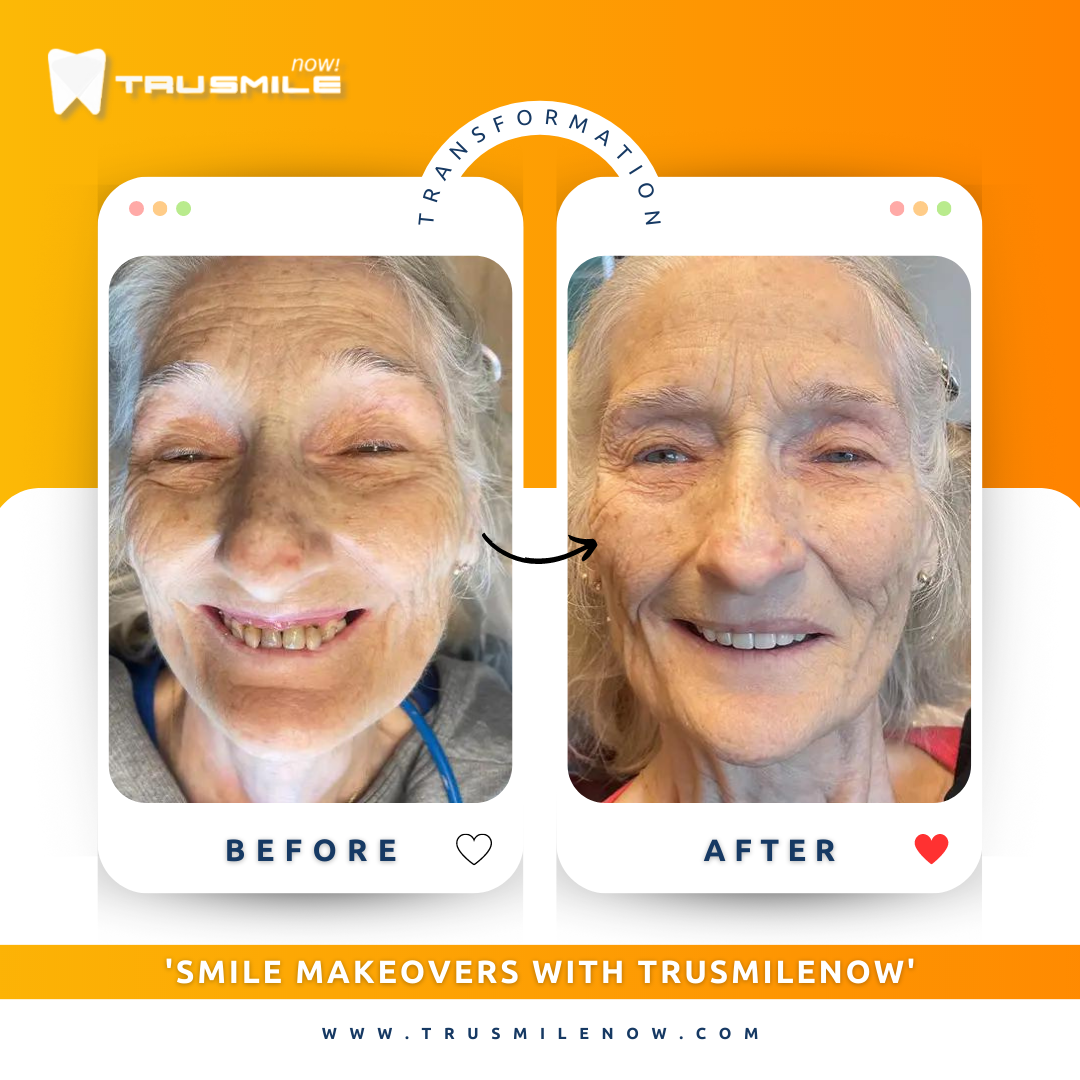
View our before and after gallery to see real patient results!