If you have lost teeth or worn dentures for years, you may have experienced significant jawbone deterioration. Many patients ask whether it is possible to reverse bone density loss in the jaw, and the answer is encouraging. While you cannot naturally regenerate lost jawbone tissue, modern dental procedures like bone grafting can effectively rebuild and strengthen your jaw, creating a solid foundation for dental implants and restoring your oral health.
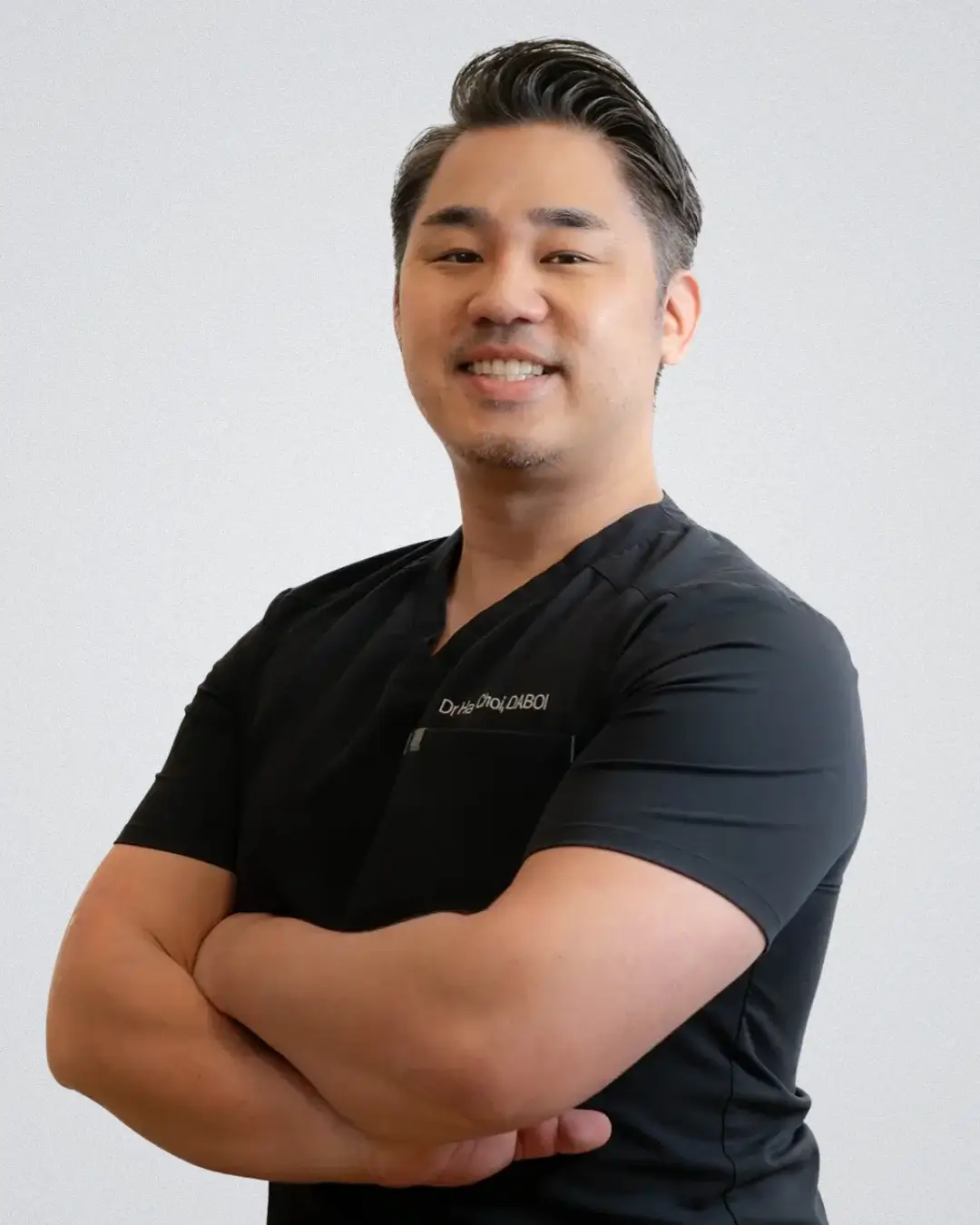
At TruSmile Now, Dr. Han Choi, DDS, DABOI, FAAID, has helped hundreds of patients achieve permanent, beautiful smiles. As a Diplomate of the American Board of Oral Implantology and Fellow of the American Academy of Implant Dentistry, Dr. Han Choi is a board-certified implant specialist who handles the most complex cases, including All-on-4 and full-arch restorations. With experience managing 10 clinics and training over 30 dentists, his expertise is unmatched in the Phoenix metro area.
🦷 UNDERSTANDING JAWBONE DENSITY LOSS
Your jawbone requires constant stimulation from tooth roots to maintain its density and volume. When you lose teeth, the bone in that area no longer receives this stimulation and begins to deteriorate through a process called resorption. According to peer-reviewed research on bone mineral density, patients can lose 25% of their jawbone width within the first year after tooth loss, and this deterioration continues over time.
Several factors accelerate bone density loss in the jaw. Long-term denture wear places pressure on the gum tissue rather than stimulating the bone, which speeds up resorption. Periodontal disease destroys the supporting bone around teeth before they are lost. Trauma or injury to the jaw can damage bone structure. Age-related changes also affect bone metabolism throughout your body, including your jaw.
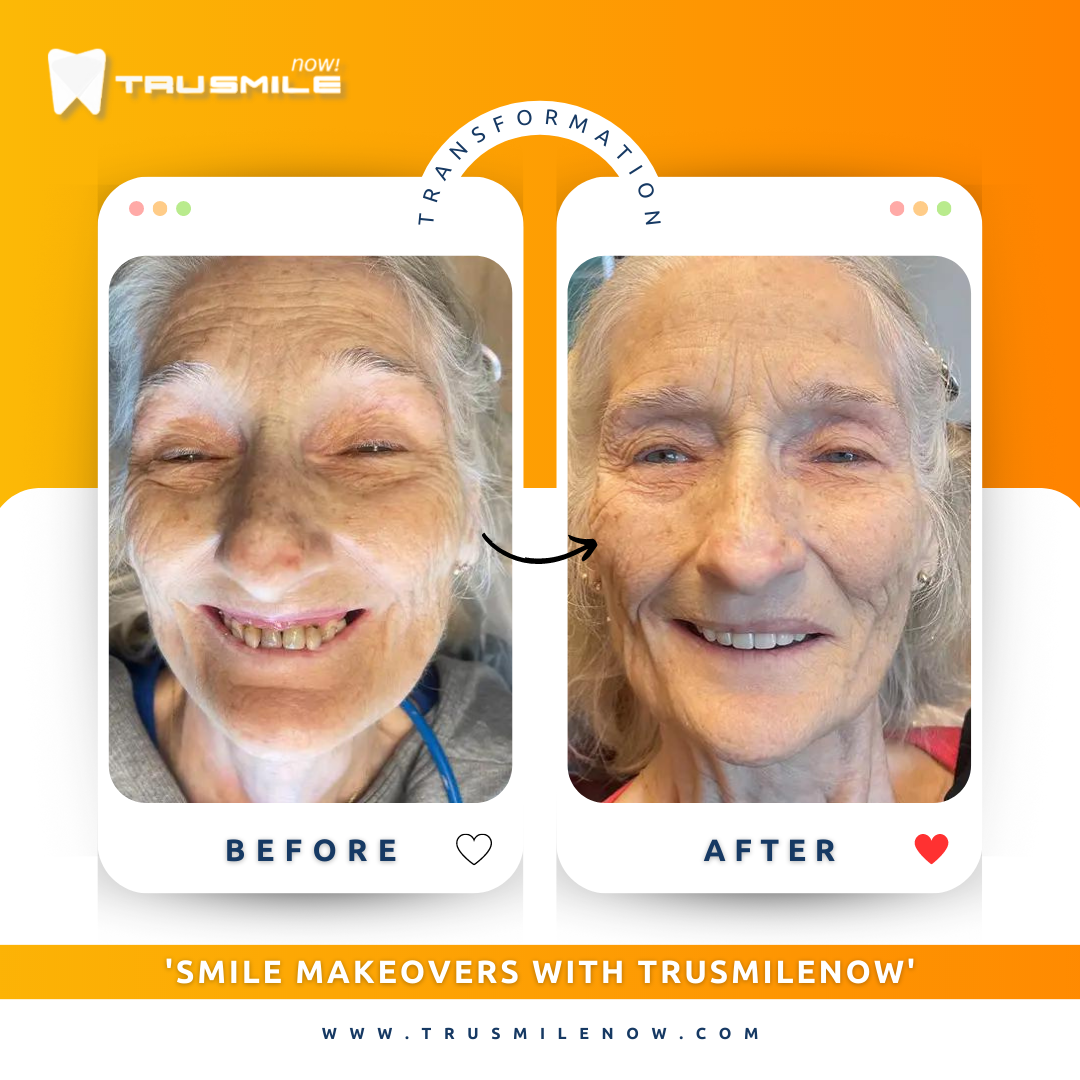
The consequences of jawbone deterioration extend beyond dental health. As bone volume decreases, your facial structure changes, creating a sunken or aged appearance. Your remaining teeth may shift or become loose. Dentures that once fit well become unstable and uncomfortable. Most importantly, insufficient bone density makes it impossible to place dental implants without first restoring the lost bone.
✅ HOW BONE GRAFTING CAN REVERSE BONE DENSITY LOSS
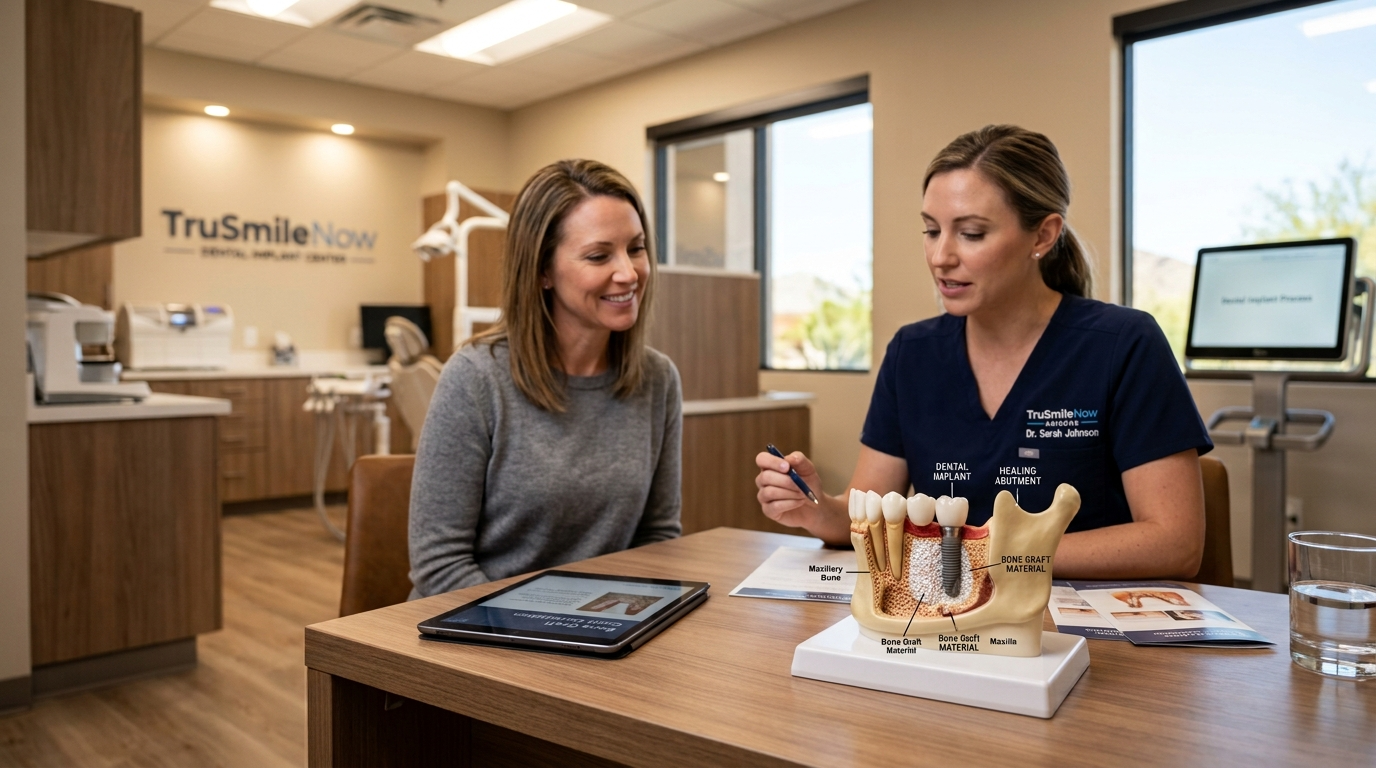
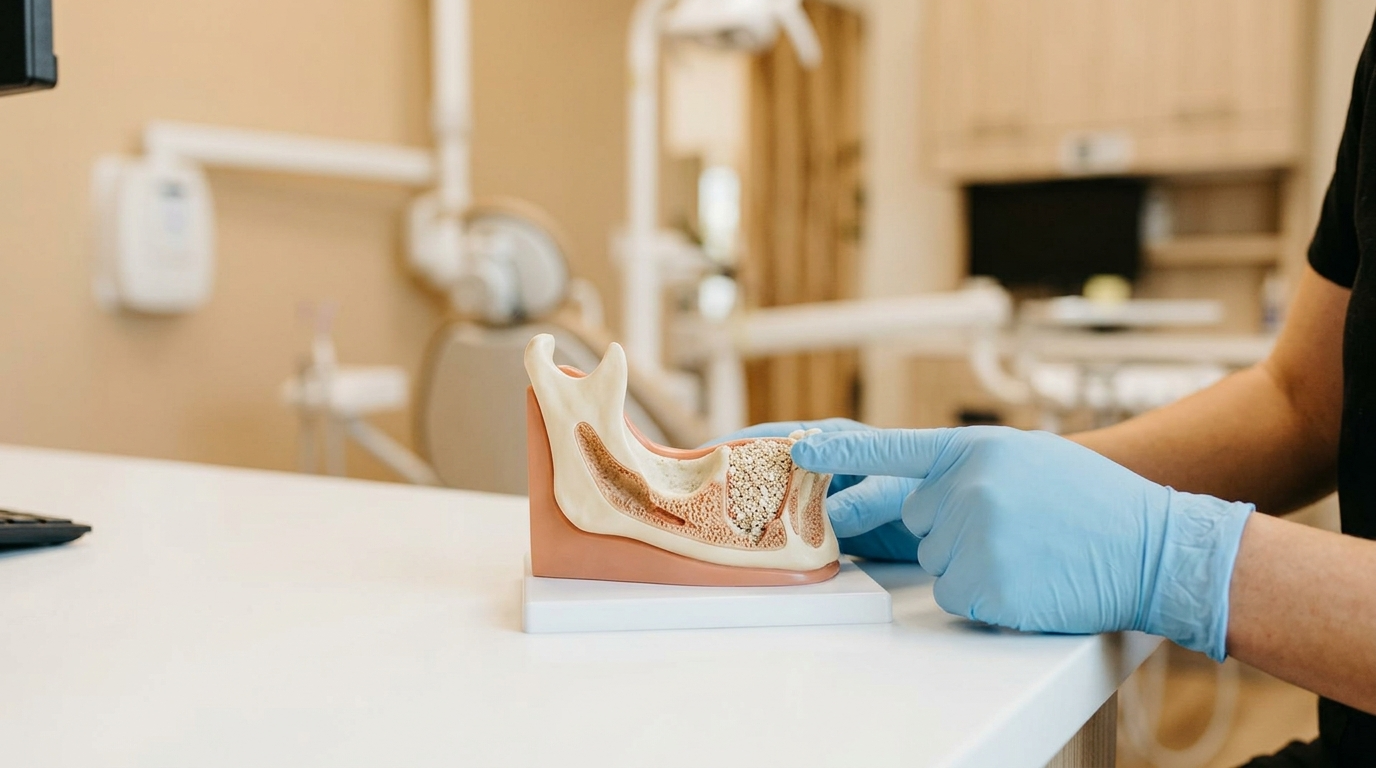
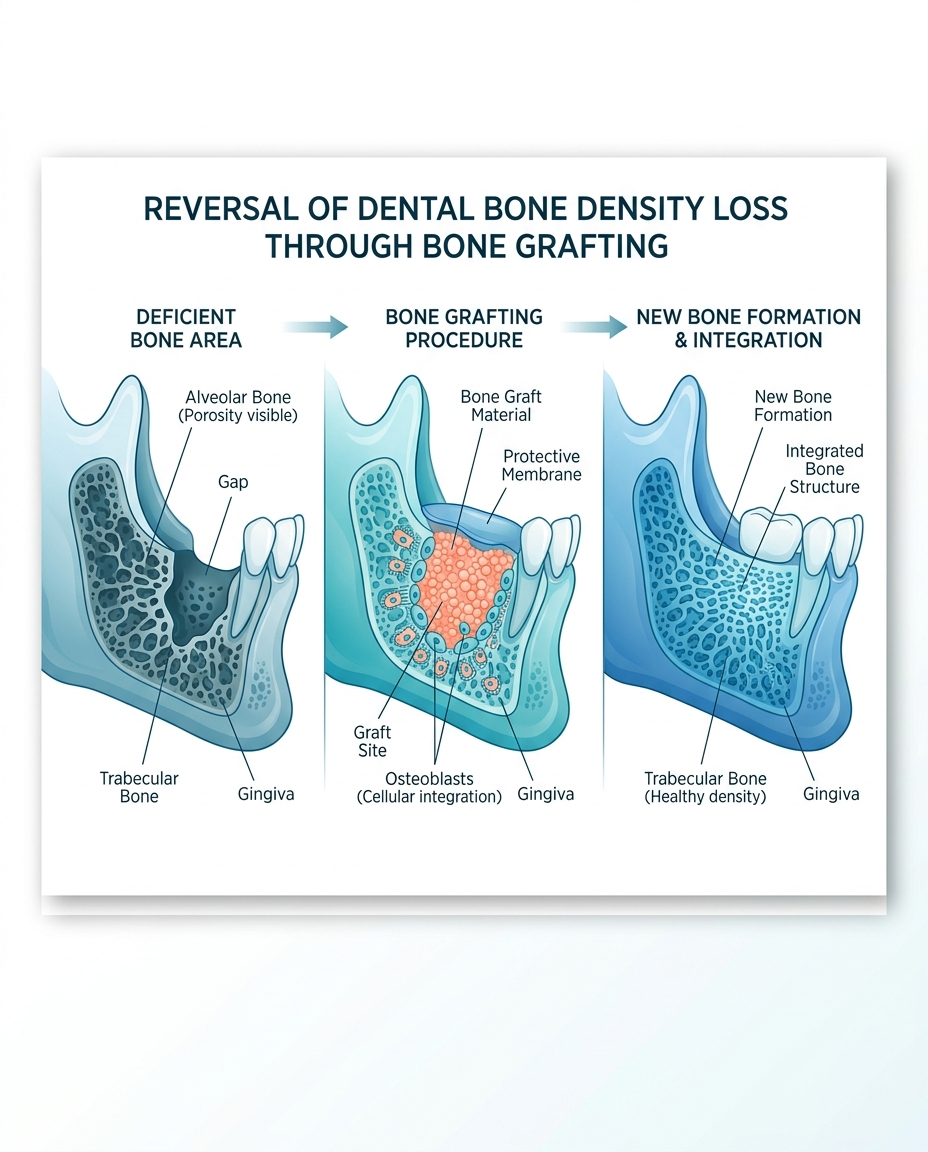
While your body cannot naturally reverse bone density loss in the jaw, dental bone grafting provides an effective solution. This surgical procedure places bone material in areas where bone has been lost, stimulating your body to grow new bone tissue. Over several months, the graft material integrates with your existing bone, creating a stronger, denser foundation.
Bone grafting uses different types of materials depending on your specific needs. Autografts use bone harvested from another area of your body, typically the chin or back of the jaw. These grafts have the highest success rate because they contain your own living bone cells. Allografts use processed human bone from a tissue bank, eliminating the need for a second surgical site. Xenografts use bone from animal sources, usually bovine, that has been specially treated. Alloplasts are synthetic materials that mimic natural bone structure.
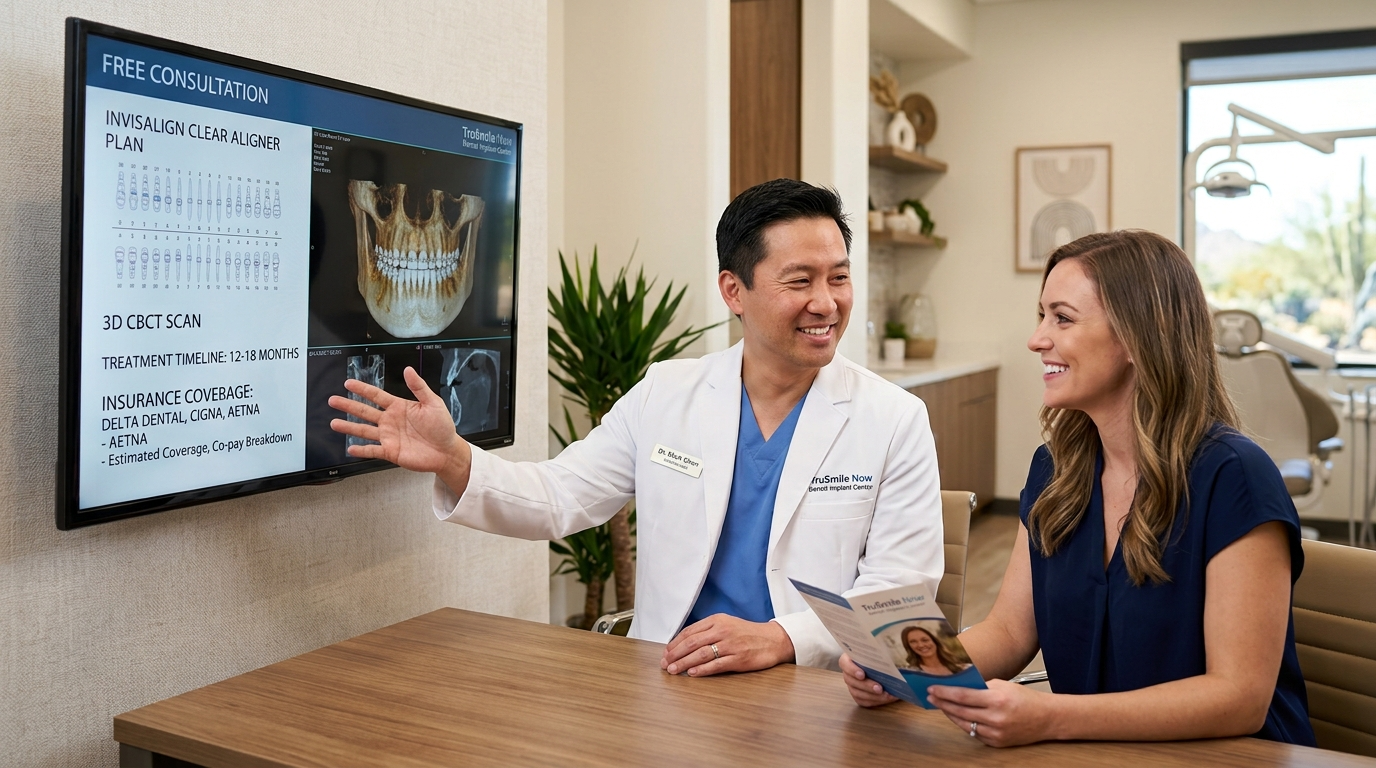
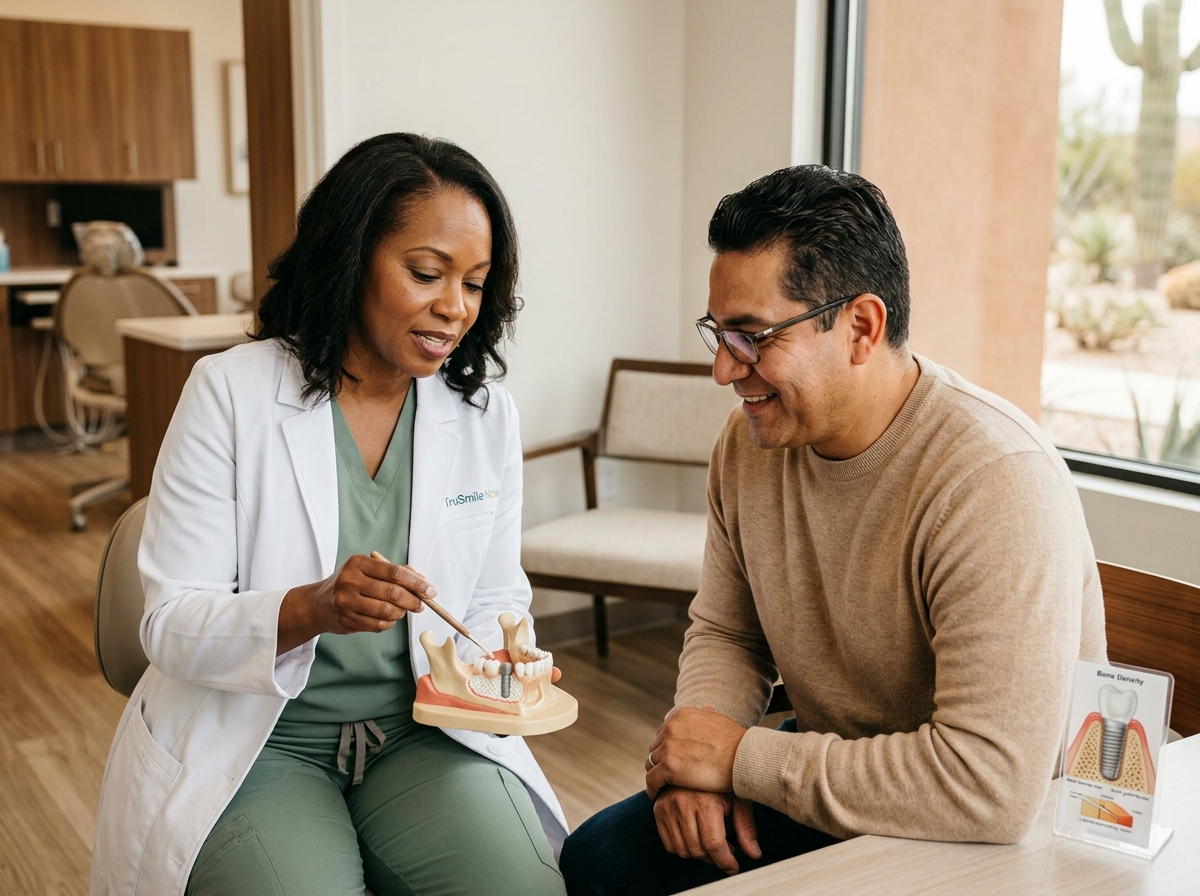
The American Dental Association recognizes bone grafting as a safe, predictable procedure that has helped millions of patients qualify for dental implants. At TruSmile Now, Dr. Han Choi evaluates your bone density using advanced 3D Cone Beam CT imaging during your free consultation, allowing him to determine the extent of bone loss and recommend the most appropriate grafting technique.
📋 THE BONE GRAFTING PROCEDURE: WHAT TO EXPECT
Understanding the bone grafting process helps reduce anxiety and prepares you for successful treatment. The procedure typically takes one to two hours, depending on the size and number of areas being grafted. Dr. Han Choi performs bone grafting procedures using local anesthesia, and sedation options are available for patients who prefer to be more relaxed during treatment.
During the procedure, Dr. Choi makes a small incision in your gum tissue to access the area of bone loss. He thoroughly cleans the site and places the bone graft material in the deficient area. In many cases, he covers the graft with a special membrane that protects it and promotes bone regeneration. Finally, he closes the incision with sutures that either dissolve on their own or are removed at a follow-up appointment.
The healing process requires patience but delivers remarkable results. During the first week, you will experience some swelling and discomfort that can be managed with prescribed medications. Over the next three to six months, your body gradually replaces the graft material with your own bone tissue through a process called osseointegration. Dr. Han Choi monitors your healing with follow-up appointments and imaging to ensure the graft is integrating properly.
💪 ADVANCED TECHNIQUES TO REVERSE BONE DENSITY LOSS
For patients with severe bone loss, standard bone grafting may not be sufficient. TruSmile Now offers advanced procedures that can restore even extensive bone deterioration. Sinus lift surgery rebuilds bone in the upper jaw by lifting the sinus membrane and placing bone graft material beneath it. This technique is essential for placing implants in the back upper jaw where the sinuses often extend into areas where teeth once were.
Ridge augmentation rebuilds the width and height of the jawbone ridge after tooth loss or trauma. This procedure is particularly important when multiple adjacent teeth are missing, as the bone in these areas deteriorates more rapidly. Block bone grafting uses larger sections of bone to rebuild significant defects, providing the volume needed for implant placement in severely compromised areas.
Recent advances include the use of platelet-rich plasma (PRP) and platelet-rich fibrin (PRF), which are derived from your own blood. These growth factors accelerate healing and improve the success rate of bone grafts. According to research published in the National Institute of Health’s database, combining bone grafting with growth factors can reduce healing time by up to 30% and improve bone density outcomes.
⏰ TIMELINE AND SUCCESS RATES FOR BONE RESTORATION
Patients often want to know how long it takes to reverse bone density loss through grafting. The timeline varies based on the extent of bone loss and the grafting technique used. Minor grafts performed at the time of tooth extraction may heal in three to four months. Moderate grafts for single implant sites typically require four to six months. Major grafts involving sinus lifts or significant ridge augmentation may need six to nine months for complete integration.
The success rates for bone grafting are excellent when performed by an experienced specialist like Dr. Han Choi. Studies show that bone grafts have a success rate of 85-95% for creating adequate bone volume for implant placement. Factors that influence success include your overall health, whether you smoke, the quality of your existing bone, and how well you follow post-operative care instructions.
Once the bone graft has fully integrated, you can proceed with dental implant placement. The implants themselves further stimulate bone preservation, preventing future bone loss in the treated area. This creates a positive cycle where the restored bone supports the implants, and the implants maintain the bone density you worked so hard to regain.
💰 COST AND FINANCING FOR BONE GRAFTING
The cost of procedures to reverse bone density loss varies depending on the extent of bone loss and the type of grafting needed. Minor bone grafts typically start at $300-$800 per site. Major grafts including sinus lifts or ridge augmentation range from $2,000-$4,000. Many patients require grafting before implant placement, and Dr. Han Choi provides transparent pricing during your free consultation, which includes a comprehensive 3D CT scan to assess your bone structure.
Dental insurance coverage for bone grafting varies by plan. Some insurance policies cover a portion of the procedure when it is deemed medically necessary, particularly if bone loss resulted from periodontal disease or trauma. TruSmile Now accepts most major insurance plans including Delta Dental, Cigna, UnitedHealthcare, MetLife, Aetna, and Blue Cross Blue Shield of Arizona. Our team will verify your benefits and maximize your insurance coverage.
We understand that restoring your jawbone is an investment in your long-term health and quality of life. We offer flexible payment plans through Cherry to make treatment affordable. These plans allow you to spread the cost over manageable monthly payments, making it easier to get the care you need without delay. Many patients find that financing makes it possible to complete their full treatment plan, including both bone grafting and implant placement, without financial stress.
🏥 WHY CHOOSE TRUSMILE NOW FOR BONE GRAFTING
When it comes to procedures that reverse bone density loss, experience and expertise matter tremendously. Dr. Han Choi’s credentials as a Diplomate of the American Board of Oral Implantology and Fellow of the American Academy of Implant Dentistry represent the highest level of training in implant dentistry and bone grafting. He has completed thousands of successful grafting procedures and has trained other dentists in advanced techniques.
TruSmile Now’s state-of-the-art facilities include an in-house dental laboratory, which means your treatment is coordinated entirely within our practice. This integration ensures superior quality control and faster turnaround times. Our advanced 3D Cone Beam CT imaging provides detailed views of your bone structure, allowing Dr. Choi to plan your grafting procedure with precision. We also offer same-day emergency appointments for patients experiencing urgent dental issues.
Our commitment to patient care extends beyond clinical hours. Lucy, our AI assistant available at get-lucy.ai, is here around the clock to answer questions and help you schedule appointments at your convenience. Whether you need information about treatment options or want to book a consultation outside regular business hours, Lucy provides immediate assistance.
❓ FREQUENTLY ASKED QUESTIONS
Can you reverse bone density loss without surgery?
Unfortunately, you cannot reverse bone density loss in the jaw through diet, supplements, or exercises alone. While maintaining good nutrition with adequate calcium and vitamin D supports overall bone health, it cannot regenerate jawbone that has already been lost. Bone grafting is the only proven method to rebuild lost jawbone and create the foundation needed for dental implants. However, if you still have teeth, maintaining good oral hygiene and addressing gum disease promptly can prevent further bone loss.
How long does it take to reverse bone density loss with bone grafting?
The process to reverse bone density loss through grafting typically takes three to nine months, depending on the extent of bone loss and the grafting technique used. Minor grafts may heal in three to four months, while major grafts involving sinus lifts or significant reconstruction may require six to nine months. During this time, the graft material integrates with your existing bone, creating new, dense bone tissue. Dr. Han Choi monitors your progress with follow-up appointments and imaging to ensure proper healing before proceeding with implant placement.
Is bone grafting painful?
Bone grafting is performed under local anesthesia, so you should not feel pain during the procedure itself. Sedation options are available if you prefer to be more relaxed during treatment. After the anesthesia wears off, you will experience some discomfort and swelling, which is normal and manageable with prescribed pain medications. Most patients report that the discomfort is less than they anticipated and subsides significantly within a few days. Following post-operative care instructions carefully helps minimize discomfort and promotes faster healing.
What is the success rate for bone grafting procedures?
Bone grafting procedures have excellent success rates when performed by experienced specialists. Studies show success rates of 85-95% for creating adequate bone volume for dental implant placement. Factors that influence success include your overall health, whether you smoke (smoking significantly reduces success rates), the quality of your existing bone, and adherence to post-operative care instructions. Dr. Han Choi’s extensive experience and advanced training contribute to consistently successful outcomes for his patients.
Does insurance cover bone grafting for dental implants?
Insurance coverage for bone grafting varies by plan and the reason for the procedure. Some dental insurance policies cover a portion of bone grafting when it is deemed medically necessary, particularly if the bone loss resulted from periodontal disease, trauma, or infection. Medicare Part B may cover bone grafting in certain medically necessary situations. TruSmile Now accepts most major insurance plans and our team will verify your benefits and help maximize your coverage. We also offer flexible payment plans through Cherry to make treatment affordable regardless of insurance coverage.
Can I get dental implants if I have severe bone loss?
Yes, even patients with severe bone loss can often qualify for dental implants after bone grafting procedures. Advanced techniques like sinus lifts, ridge augmentation, and block bone grafting can rebuild significant amounts of lost bone. In some cases, specialized implant systems like All-on-4 can be placed in areas of remaining bone, avoiding the need for extensive grafting. During your free consultation at TruSmile Now, Dr. Han Choi uses 3D imaging to assess your bone structure and recommend the best approach for your specific situation. His extensive experience with complex cases means he can help patients who may have been told elsewhere that they were not candidates for implants.
📍 VISIT TRUSMILE NOW – 3 ARIZONA LOCATIONS
TruSmile Now Peoria
20542 N Lake Pleasant Rd, Suite 113
Peoria, AZ 85382
Phone: (602) 362-0447
Hours: Mon-Thu 9:00 AM – 5:00 PM
TruSmile Now Chandler
2900 W Ray Rd #3
Chandler, AZ 85224
Phone: (480) 393-0687
Hours: Mon-Thu 9:00 AM – 5:00 PM
TruSmile Now Ahwatukee (Phoenix)
4530 E Ray Rd #170
Phoenix, AZ 85044
Phone: (480) 360-4754
Hours: Mon 9-5, Tue 7am-2pm, Wed-Thu 10-7, Fri 8-3, Sat 8am-1pm
Serving Peoria, Chandler, Ahwatukee, Phoenix, Tempe, Mesa, Gilbert, Scottsdale, Glendale, Surprise, and the Greater Phoenix metro area.
New Patient Special: $49 – Includes exam, X-rays, and consultation!
We accept most major insurance including Delta Dental, Cigna, UnitedHealthcare, MetLife, Aetna, BCBS, and more. Medicare Part B accepted for medically necessary treatments.
We offer flexible payment plans through Cherry to make your treatment affordable.
Have a quick question before booking? Lucy is our AI assistant who is always online. Just start a chat and she will point you in the right direction.
Ready to learn if you can reverse bone density loss and qualify for dental implants? Call any of our locations or schedule online today!
View our before and after gallery to see real patient results!