Yes, teeth can rot under a bridge if proper oral hygiene is not maintained or if the bridge does not fit correctly. Dental bridges are excellent restorations for replacing missing teeth, but the supporting teeth (called abutment teeth) remain vulnerable to decay if bacteria and food particles accumulate underneath or around the bridge. Understanding how teeth rot under bridge restorations and knowing the warning signs can help you protect your investment and maintain a healthy smile for years to come.
At TruSmile Now, Dr. Hanna Choi, DDS, provides comprehensive general and restorative dental care with a gentle, patient-centered approach. Dr. Hanna Choi focuses on helping patients maintain optimal oral health while ensuring every treatment is tailored to their unique needs and delivers the best possible outcome.

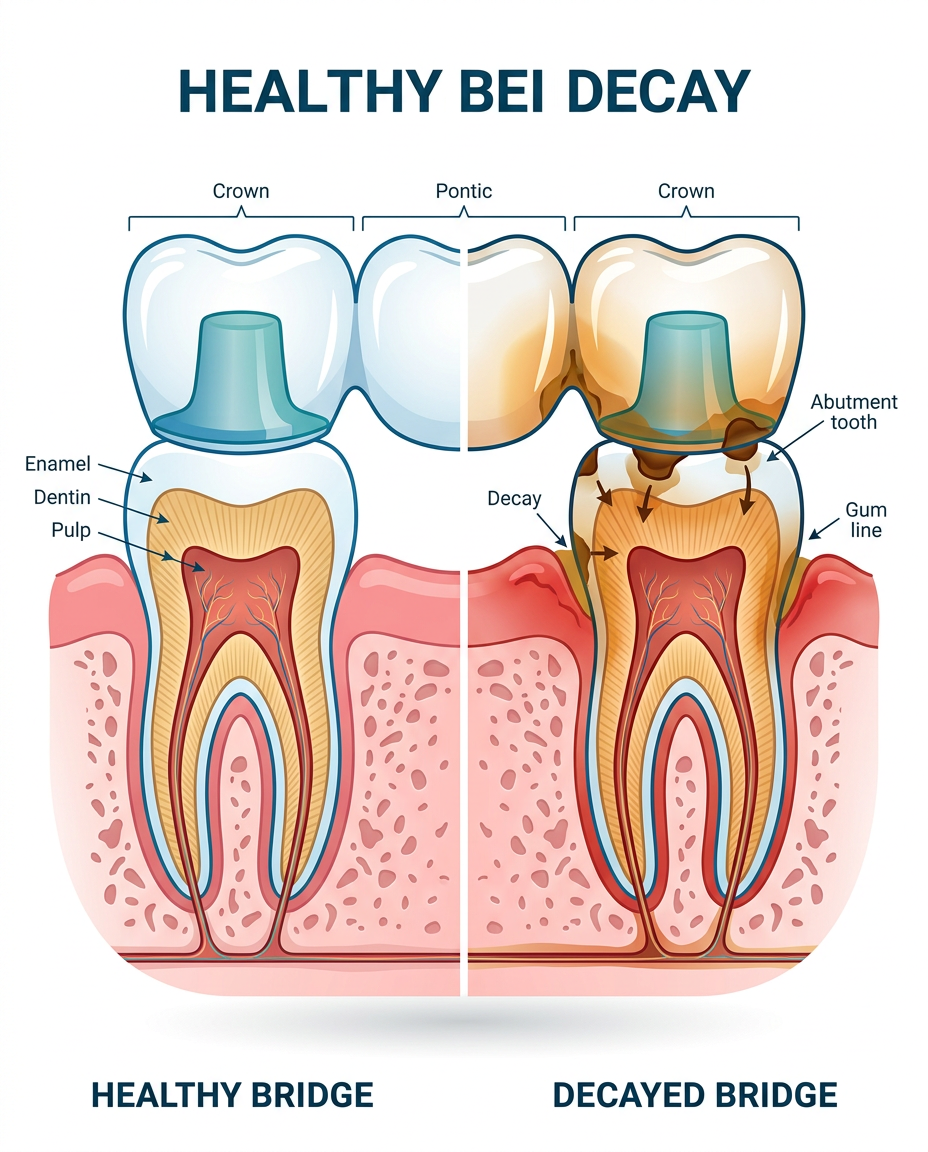
Many patients who have dental bridges worry about the health of the teeth supporting their restoration. This concern is valid because the abutment teeth are partially covered by crowns, making it harder to clean around them. When bacteria accumulate at the margins where the crown meets the natural tooth, decay can develop silently beneath the bridge without obvious symptoms until significant damage has occurred.
🦷 HOW DO TEETH ROT UNDER BRIDGE RESTORATIONS?
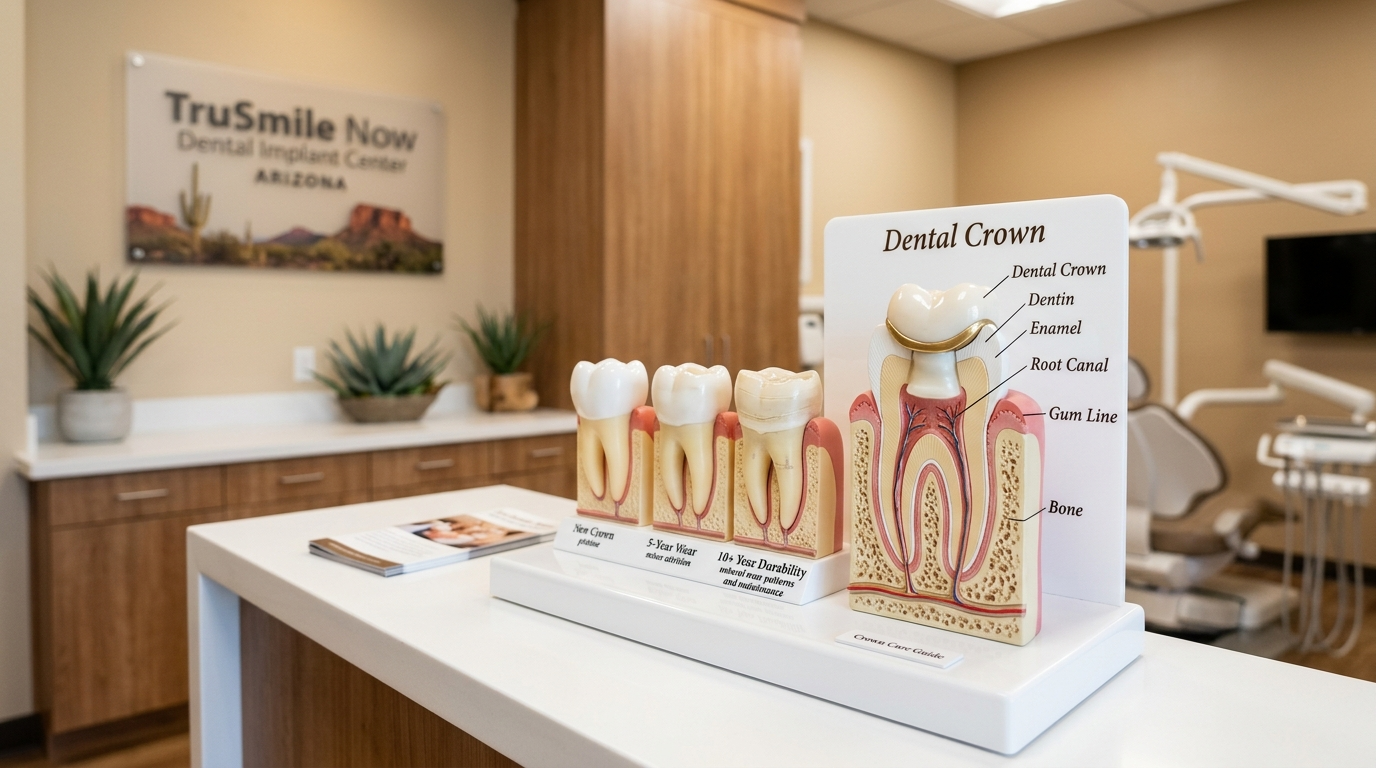
Understanding how teeth rot under bridge restorations begins with knowing how dental bridges work. A traditional bridge consists of one or more artificial teeth (pontics) held in place by crowns cemented onto the adjacent natural teeth. While the crowns protect the visible portion of the abutment teeth, the margins where the crown meets the tooth structure create potential areas for bacterial accumulation.
When plaque and food debris collect along these margins, bacteria produce acids that attack the tooth enamel. If not removed through proper brushing and flossing, this process leads to cavities that can extend beneath the crown and into the tooth structure. The decay may progress deep into the tooth, potentially reaching the pulp and causing infection or even tooth loss.
Several factors increase the risk of decay under dental bridges:
- Poor oral hygiene: Inadequate brushing and flossing allow plaque buildup around bridge margins
- Ill-fitting bridges: Gaps between the crown and tooth create spaces where bacteria thrive
- Diet high in sugar: Frequent sugar consumption feeds decay-causing bacteria
- Dry mouth: Reduced saliva flow decreases natural protection against cavities
- Skipping dental checkups: Missed opportunities for early detection and professional cleaning
- Gum recession: Exposes more tooth structure vulnerable to decay
According to research published in the Journal of Prosthodontics, secondary caries (decay around existing restorations) is one of the most common reasons for dental bridge failure, emphasizing the importance of preventive care.
⚠️ WARNING SIGNS THAT TEETH ROT UNDER BRIDGE
Detecting decay under a dental bridge can be challenging because the crown covers much of the tooth structure. However, several warning signs indicate that teeth rot under bridge restorations and require immediate attention:
Sensitivity and Discomfort
One of the earliest signs is increased sensitivity to hot, cold, or sweet foods and beverages. This occurs when decay penetrates through the enamel and reaches the more sensitive dentin layer. If you experience persistent discomfort around your bridge, especially when chewing or applying pressure, this may signal underlying decay.
Bad Breath or Unpleasant Taste
Chronic bad breath (halitosis) or a persistent bad taste in your mouth can indicate bacterial infection beneath your bridge. As bacteria break down food particles and tooth structure, they release foul-smelling compounds. If regular brushing and mouthwash do not eliminate the odor, decay under your bridge may be the culprit.

Visible Discoloration or Dark Lines
Dark lines or discoloration at the gum line where the crown meets the natural tooth often indicate decay. While some metal-based crowns naturally show a dark line, new or spreading discoloration suggests bacterial activity and possible cavities forming beneath the restoration.
Loose or Moving Bridge
A bridge that feels loose or moves when you touch it with your tongue indicates that the supporting teeth may be compromised. Decay weakens the tooth structure, reducing the crown’s ability to stay securely cemented. A loose bridge requires immediate professional evaluation.
Swollen or Bleeding Gums
Gum inflammation, tenderness, or bleeding around the bridge margins can signal infection or decay beneath the restoration. Healthy gums should not bleed during normal brushing or flossing. Persistent gum problems around your bridge warrant a dental examination.
Pain When Chewing
Sharp or aching pain when biting down on the bridge side may indicate advanced decay affecting the tooth’s nerve. This symptom often appears when cavities have progressed significantly and may require root canal treatment or bridge replacement.
The American Dental Association recommends regular dental checkups to detect problems with dental bridges before they become severe.
🛡️ PREVENTING TEETH ROT UNDER BRIDGE: BEST PRACTICES
The good news is that preventing teeth rot under bridge restorations is entirely possible with proper care and maintenance. Following these best practices will help protect your investment and keep your supporting teeth healthy:
Master Proper Brushing Technique
Brush at least twice daily using a soft-bristled toothbrush and fluoride toothpaste. Pay special attention to the areas where your bridge meets the gum line, using gentle circular motions. Angle the brush at 45 degrees to effectively clean along the margins. Consider using an electric toothbrush, which studies show removes more plaque than manual brushing.
Floss Daily with Bridge-Specific Tools
Regular floss cannot pass under a fixed bridge, so you will need special tools. Use a floss threader or super floss to clean beneath the pontic and around the abutment teeth. Water flossers (like Waterpik) are excellent alternatives that effectively remove debris from hard-to-reach areas around bridges. Dedicate at least two minutes daily to thorough flossing around your bridge.
Schedule Regular Professional Cleanings
Visit your dentist every six months (or more frequently if recommended) for professional cleanings and examinations. During these visits, your dental hygienist uses specialized tools to remove plaque and tartar buildup that you cannot eliminate at home. Your dentist will also take X-rays periodically to detect decay beneath the bridge before it becomes visible or symptomatic.
Limit Sugary and Acidic Foods
Reduce consumption of sugary snacks, sodas, and acidic beverages that promote bacterial growth and enamel erosion. When you do consume these items, rinse your mouth with water afterward and wait 30 minutes before brushing (brushing immediately after acidic exposure can damage softened enamel).
Use Fluoride and Antimicrobial Rinses
Incorporate a fluoride mouth rinse into your daily routine to strengthen enamel and prevent cavities. Antimicrobial rinses can reduce bacteria around bridge margins. Ask Dr. Hanna Choi which products are best suited for your specific needs.
Address Dry Mouth Issues
If you suffer from dry mouth (xerostomia), talk to your dentist about solutions. Saliva plays a crucial role in neutralizing acids and washing away food particles. Stay hydrated, use saliva substitutes if needed, and avoid medications that worsen dry mouth when possible.
Avoid Hard Foods and Bad Habits
Do not chew ice, hard candy, or use your teeth as tools to open packages. These habits can crack your bridge or damage the supporting teeth, creating entry points for bacteria. If you grind your teeth at night, ask about a custom nightguard to protect your bridge and natural teeth.
According to the National Institute of Dental and Craniofacial Research, maintaining excellent oral hygiene and regular dental visits are the most effective strategies for preventing tooth decay around dental restorations.
🔧 WHAT HAPPENS IF TEETH ROT UNDER BRIDGE?
If decay develops beneath your bridge, prompt treatment is essential to save the supporting teeth and restore function. The treatment approach depends on the extent of the damage:
Early-Stage Decay
When caught early, small cavities around bridge margins can sometimes be treated without removing the entire restoration. Your dentist may be able to clean the affected area and place a filling. However, this is only possible if the decay has not spread extensively under the crown.
Moderate to Advanced Decay
If decay has progressed significantly, the bridge must be removed to properly access and treat the affected tooth. Your dentist will remove the decay, place a filling or perform a root canal if the nerve is involved, and then fabricate a new bridge. In some cases, the tooth may need a post and core buildup to provide adequate support for the new crown.
Severe Decay or Tooth Loss
When decay destroys too much tooth structure, the abutment tooth may not be salvageable and will require extraction. At this point, alternative treatments become necessary, such as a longer bridge using different abutment teeth, a removable partial denture, or dental implants.
Dental Implants as a Permanent Solution
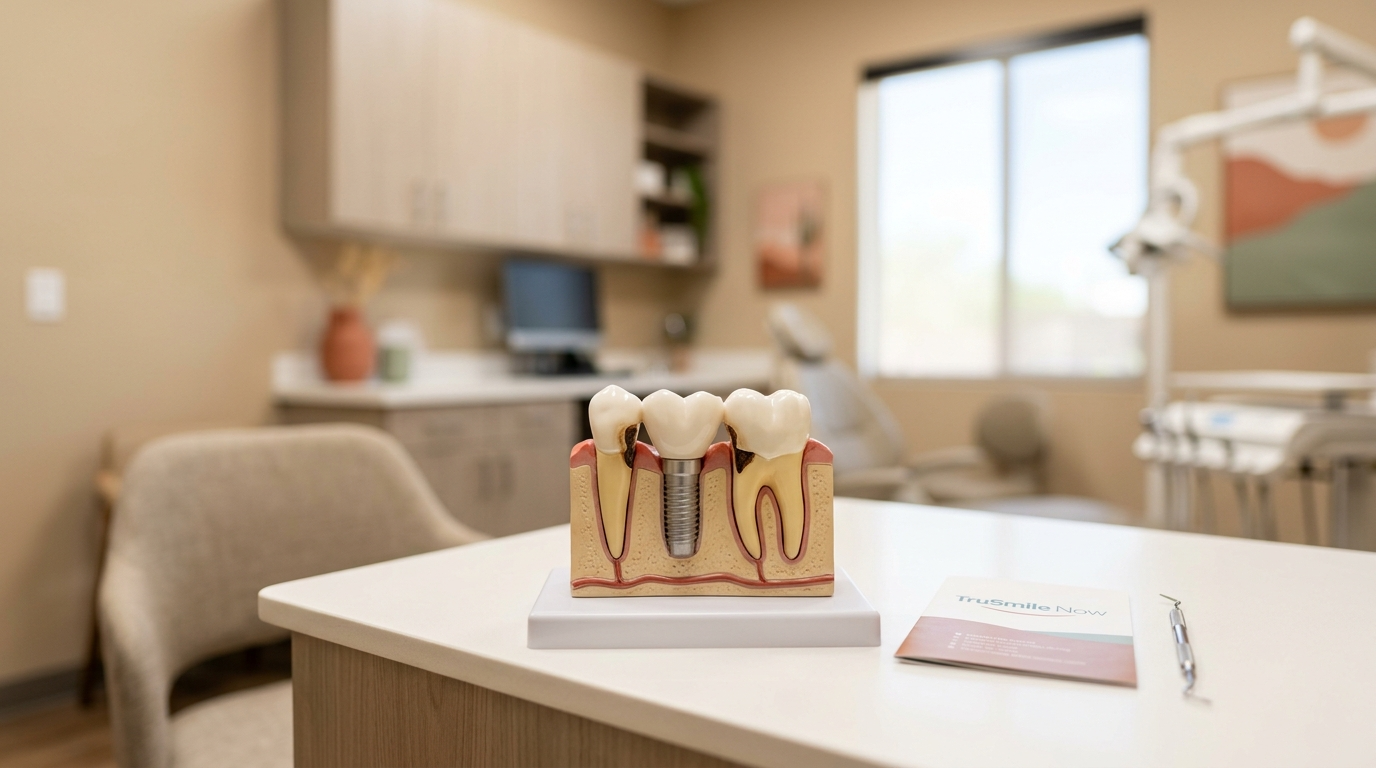
Many patients who lose supporting teeth due to decay choose dental implants as a more permanent solution. Unlike traditional bridges, implants do not rely on adjacent teeth for support, eliminating the risk of decay spreading to neighboring teeth. Implants are placed directly into the jawbone, providing stable, independent support for crowns or bridges.
At TruSmile Now, we offer comprehensive implant solutions starting at $2,699 for a single implant. Our state-of-the-art in-house dental lab allows us to fabricate high-quality crowns and bridges quickly, often reducing treatment time significantly. We offer flexible payment plans through Cherry to make treatment affordable.
📊 HOW COMMON IS DECAY UNDER DENTAL BRIDGES?
While dental bridges have high success rates when properly maintained, secondary caries remains a concern. Research indicates that approximately 10-15% of dental bridges experience complications related to decay on abutment teeth within 10 years. However, this risk decreases significantly with excellent oral hygiene and regular professional care.
Factors that influence longevity include:
- Quality of fit: Precisely fitted bridges with tight margins reduce bacterial infiltration
- Material choice: Modern ceramic and zirconia bridges offer better marginal adaptation than older materials
- Patient compliance: Consistent oral hygiene and dental visits dramatically improve outcomes
- Initial tooth health: Teeth with previous large fillings or root canals are more vulnerable
- Gum health: Patients with periodontal disease face higher risks
The good news is that with proper care, many dental bridges last 10-15 years or longer without significant complications. Some patients maintain their bridges for 20+ years through diligent home care and regular professional maintenance.
💰 COST CONSIDERATIONS FOR BRIDGE REPLACEMENT
If you need to replace a bridge due to decay, understanding the costs involved helps you plan accordingly. Replacement costs vary based on several factors:
- Number of units: A three-unit bridge (one pontic, two crowns) costs more than a single crown
- Material selection: Porcelain-fused-to-metal, all-ceramic, or zirconia bridges have different price points
- Additional treatments: Root canals, posts, or buildup increase total costs
- Tooth extraction: If an abutment tooth cannot be saved, extraction and alternative restoration add expenses
At TruSmile Now, we provide transparent pricing and work with most major insurance carriers including Delta Dental, Cigna, UnitedHealthcare, MetLife, Aetna, BCBS, and more. Many dental plans cover a portion of bridge replacement costs, especially when medically necessary due to decay.
We also accept Medicare Part B for medically necessary treatments. Our New Patient Special is just $49 and includes a comprehensive exam, X-rays, and consultation to assess your bridge and discuss treatment options.
For patients considering implants as an alternative, we offer competitive pricing with flexible payment plans to fit your budget.
🏥 WHY CHOOSE TRUSMILE NOW FOR BRIDGE CARE?
At TruSmile Now, we understand the importance of maintaining your dental restorations and preventing complications like decay under bridges. Our comprehensive approach includes:
- Advanced diagnostic technology: 3D Cone Beam CT scans detect decay early, even beneath restorations
- In-house dental lab: Custom crowns and bridges fabricated on-site for superior fit and faster turnaround
- Experienced team: Six skilled doctors spanning all dental specialties
- Same-day emergency appointments: Quick response when you experience bridge problems
- Comprehensive treatment options: From bridge repair to dental implants, we offer complete solutions
- Patient education: We teach proper home care techniques specific to your restoration
Dr. Hanna Choi and our entire team are committed to helping you maintain excellent oral health and preserve your dental work for as long as possible. We believe prevention is the best medicine and work closely with each patient to develop personalized maintenance plans.
❓ FREQUENTLY ASKED QUESTIONS
Can teeth rot under bridge even with good hygiene?
While excellent oral hygiene significantly reduces risk, teeth can still rot under bridge restorations if the bridge does not fit properly or if there are microscopic gaps where bacteria can enter. This is why regular dental checkups with X-rays are essential, even when you maintain good home care. Your dentist can detect problems early before they cause symptoms.
How often should I have my dental bridge checked?
Most dentists recommend professional examinations and cleanings every six months. However, if you have a history of cavities, gum disease, or other risk factors, your dentist may suggest more frequent visits (every 3-4 months). Regular checkups allow early detection of issues before teeth rot under bridge restorations and require extensive treatment.
What is the best way to clean under a dental bridge?
The most effective method combines several tools: use a floss threader or super floss to clean beneath the pontic and around abutment teeth daily, supplement with a water flosser to flush debris from hard-to-reach areas, and use interdental brushes for additional cleaning around bridge margins. Your dental hygienist can demonstrate proper technique during your appointment.
Are dental implants better than bridges for preventing decay?
Dental implants offer advantages because they do not rely on adjacent teeth for support, eliminating the risk of decay spreading to neighboring teeth. Implants are independent restorations that integrate with your jawbone. However, both implants and bridges require excellent oral hygiene. The best choice depends on your specific situation, bone health, budget, and preferences. Schedule a consultation to discuss which option suits your needs.
Can a bridge be saved if decay is found underneath?
It depends on the extent of decay. If caught very early, minor cavities near bridge margins may be treatable without removing the restoration. However, most cases require bridge removal to properly access and treat the decay. After treatment, a new bridge is fabricated. The supporting tooth can often be saved with proper treatment, but advanced decay may necessitate extraction and alternative restoration options.
Does insurance cover bridge replacement due to decay?
Most dental insurance plans cover a portion of bridge replacement costs, typically 50% after your deductible, especially when replacement is necessary due to decay or structural failure. However, many plans have waiting periods and may not cover replacement within five years of the original bridge placement unless due to accident or unavoidable circumstances. Our team verifies your benefits and explains your coverage before treatment begins.
📍 VISIT TRUSMILE NOW – 3 ARIZONA LOCATIONS
TruSmile Now Peoria
20542 N Lake Pleasant Rd, Suite 113
Peoria, AZ 85382
Phone: (602) 362-0447
Hours: Mon-Thu 9:00 AM – 5:00 PM
TruSmile Now Chandler
2900 W Ray Rd #3
Chandler, AZ 85224
Phone: (480) 393-0687
Hours: Mon-Thu 9:00 AM – 5:00 PM
TruSmile Now Ahwatukee (Phoenix)
4530 E Ray Rd #170
Phoenix, AZ 85044
Phone: (480) 360-4754
Hours: Mon 9-5, Tue 7am-2pm, Wed-Thu 10-7, Fri 8-3, Sat 8am-1pm
Serving Peoria, Chandler, Ahwatukee, Phoenix, Tempe, Mesa, Gilbert, Scottsdale, Glendale, Surprise, and the Greater Phoenix metro area.
New Patient Special: $49 – Includes exam, X-rays, and consultation!
We accept most major insurance including Delta Dental, Cigna, UnitedHealthcare, MetLife, Aetna, BCBS, and more. Medicare Part B accepted for medically necessary treatments.
We offer flexible payment plans through Cherry to make your treatment affordable.
Prefer texting over calling? Lucy, our AI-powered assistant, is always ready to chat. Ask her anything about our services or schedule your visit in seconds.
Ready to protect your dental bridge from decay? Call any of our locations or schedule online today!
View our before and after gallery to see real patient results!