
Dealing with constant tooth pain or sensitivity? At TruSmile Now — Ahwatukee, our gentle root canal therapy can eliminate infection, save your natural tooth, and restore comfort—all without extraction.


Inside each tooth is soft tissue (the pulp) with nerves and blood vessels. When it becomes inflamed or infected, root canal therapy removes the diseased tissue, disinfects the canal space, and seals it to prevent reinfection. This relieves pain and helps you keep your tooth.
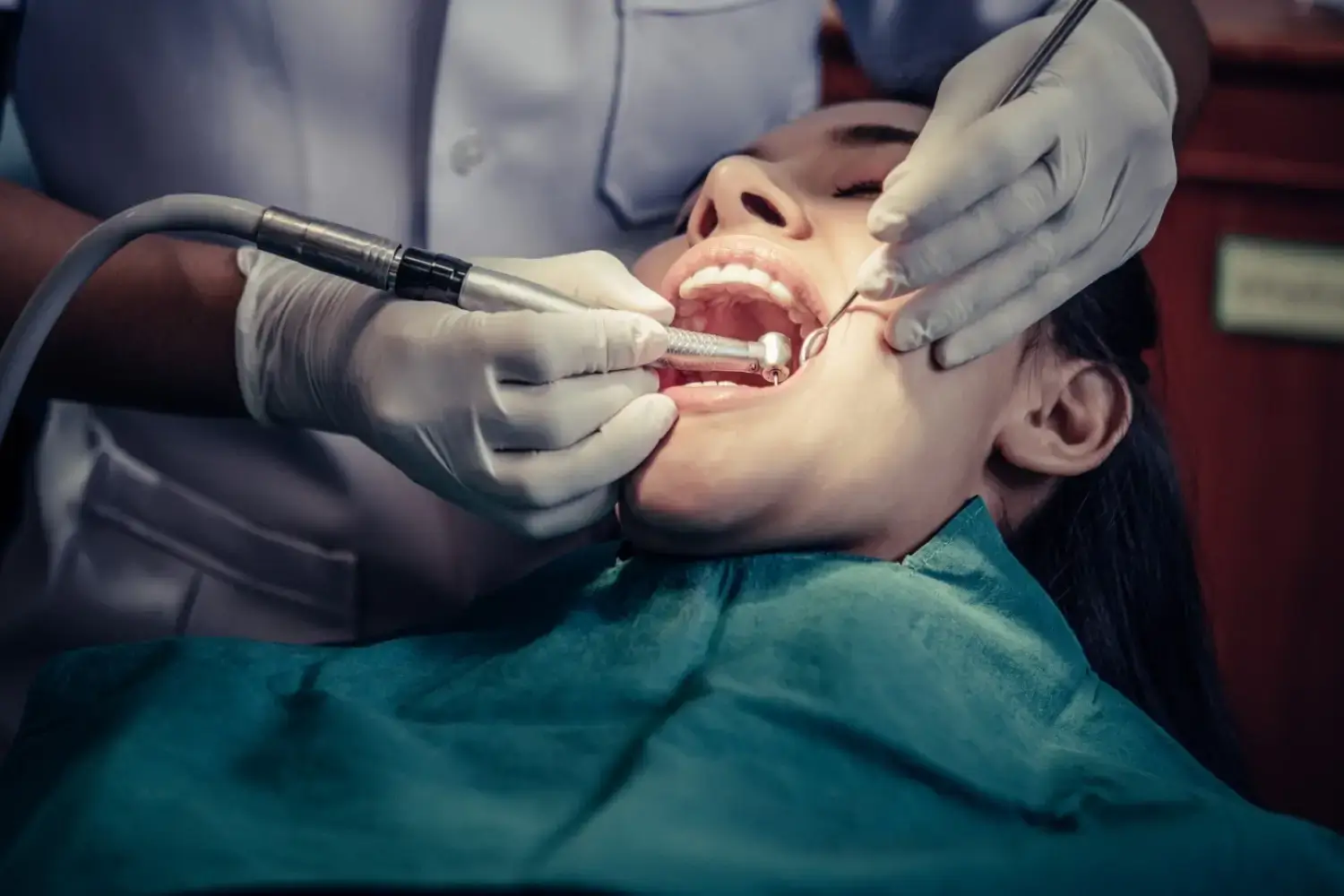




Exam and digital X‑rays confirm the source of pain.




A root canal is designed to treat infection deep inside your tooth—specifically in the root canal system, where the nerves and blood vessels reside. This simple but vital procedure helps eliminate pain, stop infection, and preserve your natural tooth for years to come.
Here’s what happens during the process:
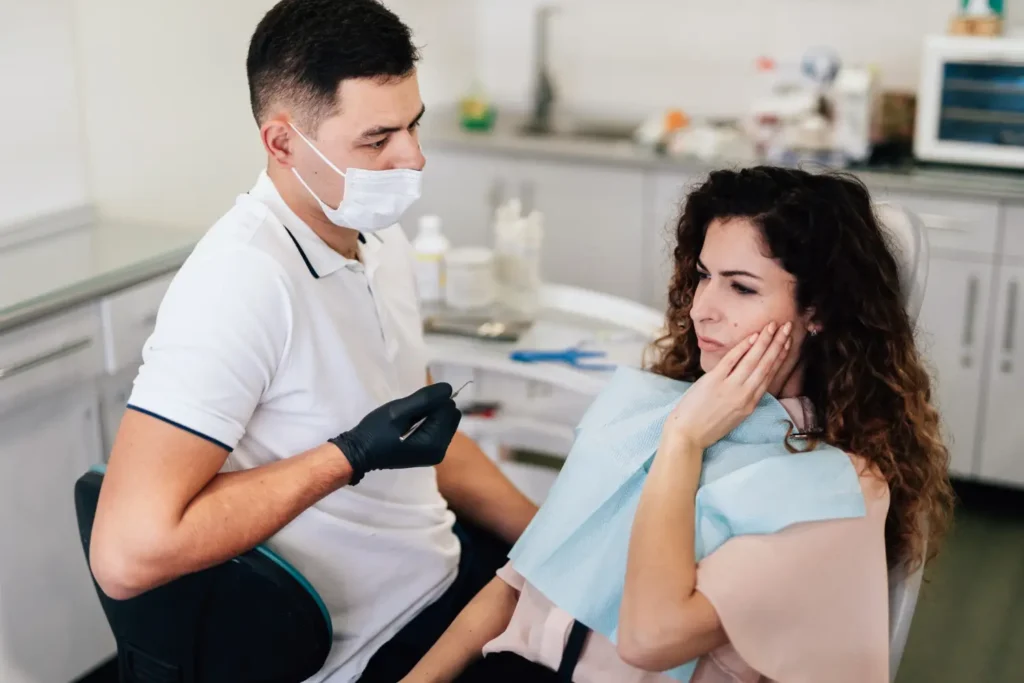
Your dentist removes the infected pulp (the soft tissue inside your tooth) to stop bacteria from spreading and to relieve discomfort. This step helps prevent the need for a tooth extraction.
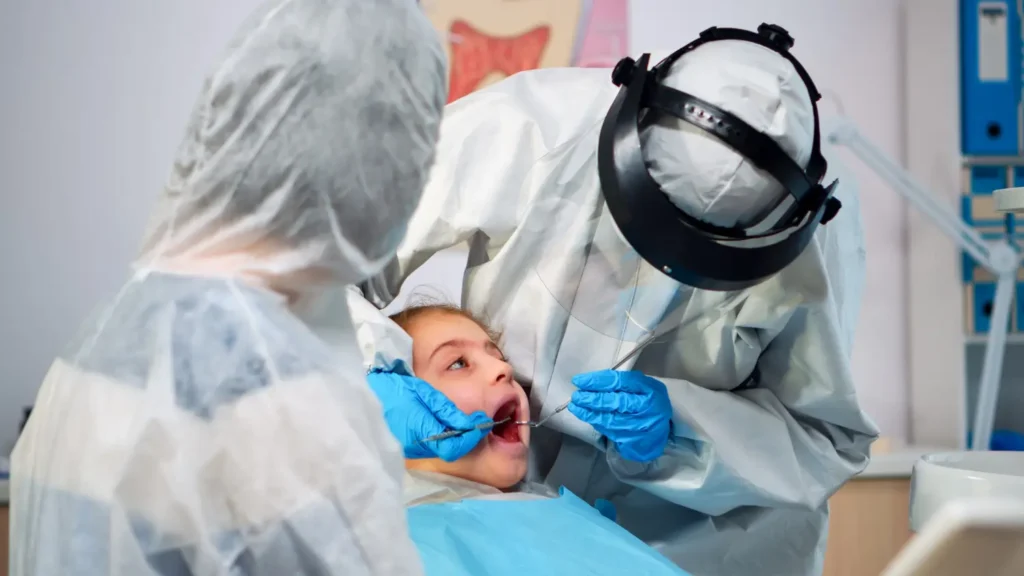
The inner canals of the tooth are thoroughly cleaned and disinfected using precision instruments, ensuring that no traces of bacteria remain.
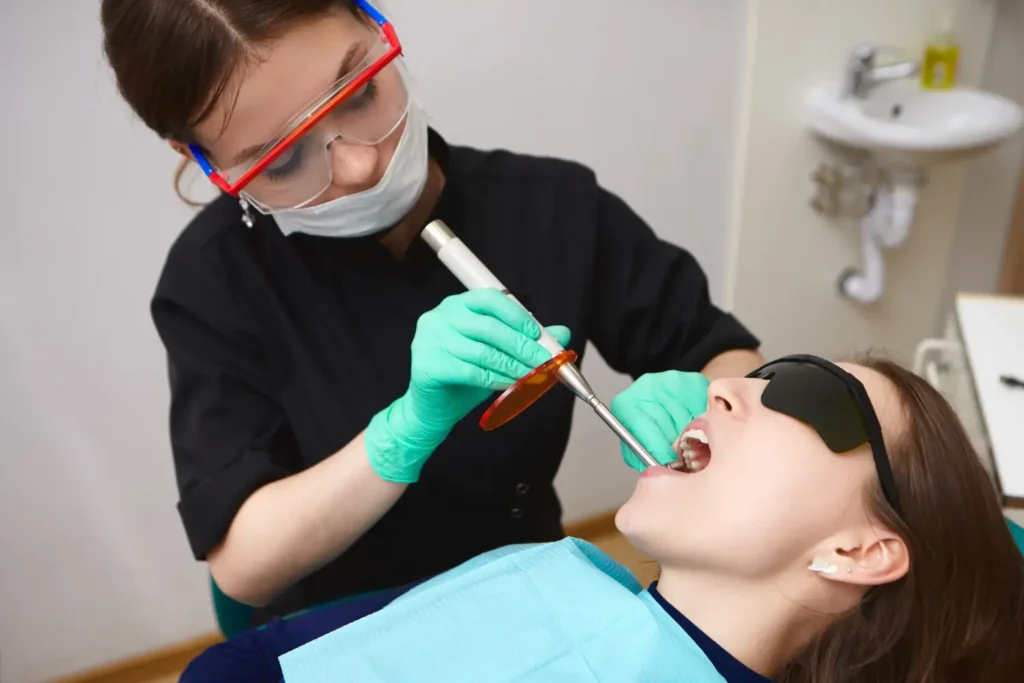
Once the area is bacteria-free, a rubber-like material called gutta-percha is placed inside the canal. This seals it tightly to prevent reinfection.
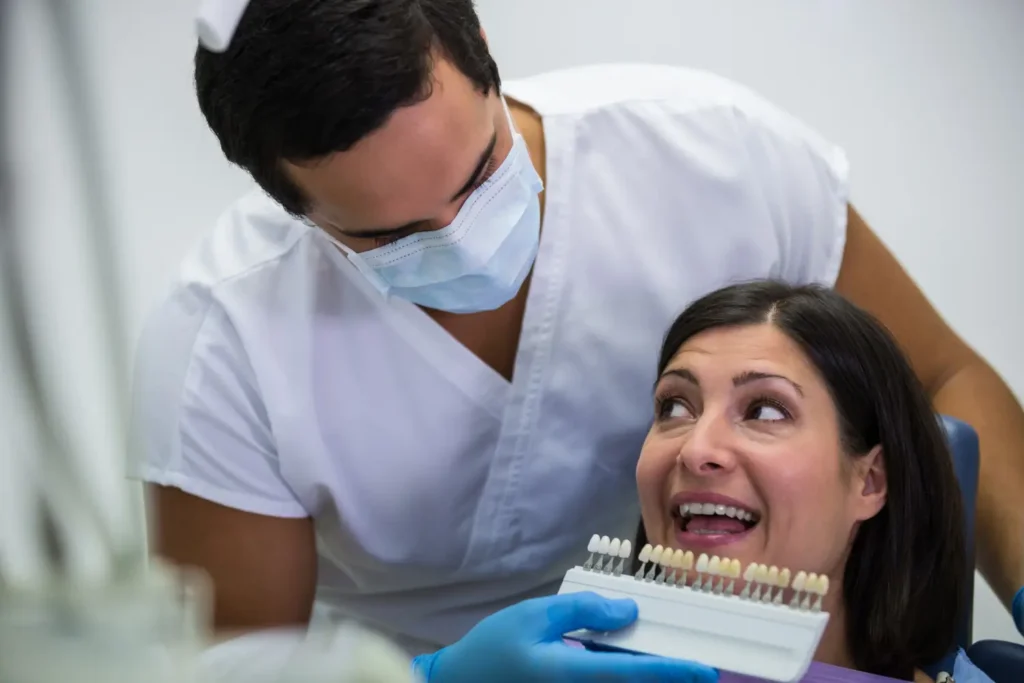
After the root canal, a custom dental crown is placed over the treated tooth to restore strength, function, and appearance—allowing you to bite and chew comfortably again.
At TruSmile Now — Ahwatukee, our goal is to make your root canal experience smooth, pain-free, and effective—saving your natural tooth while protecting your long-term oral health.
A root canal is a dental procedure that removes infected or inflamed tissue from inside the tooth. By cleaning, disinfecting, and sealing the canals, your dentist can save your natural tooth, restore normal function, and prevent the need for an extraction.
You might need a root canal if you have ongoing tooth pain, prolonged sensitivity to temperature, swelling near the gumline, or a tooth that has darkened. If any of these symptoms persist, it’s best to schedule an exam at TruSmile Now — Ahwatukee to confirm the cause and prevent further infection.
Modern root canal treatments are designed to be comfortable. With local anesthesia and gentle techniques, most patients feel little to no pain during the procedure. Any mild soreness afterward can typically be managed with over-the-counter pain relievers.
Your dentist creates a small opening in the tooth, removes the infected pulp, and carefully disinfects the inner canals. Once cleaned, the space is sealed with a material called gutta-percha and topped with a crown to restore strength and appearance.
Many treatments can be completed in just one visit, though complex cases or teeth with multiple canals might require two appointments. Your dentist will explain your exact timeline during the consultation.
After treatment, your tooth might feel slightly tender for a few days. You’ll receive care instructions and may need a dental crown to fully protect the restored tooth. With proper care, most patients return to normal activities almost immediately.
It’s not recommended. Pain relief doesn’t always mean the infection is gone. Bacteria can continue spreading silently, leading to abscesses or bone loss. It’s important to treat the issue early to preserve your natural tooth.
Ignoring an infected tooth can lead to severe pain, swelling, and eventual tooth loss. The infection can also spread to surrounding tissues or even affect other parts of your body. Timely root canal therapy prevents these complications.
Mild discomfort can be managed with common pain relievers such as ibuprofen. Your dentist may prescribe antibiotics if there’s significant infection or swelling, ensuring smooth and quick recovery.
With good oral hygiene and regular checkups, a tooth that’s been treated with a root canal can last a lifetime. Brushing twice daily, flossing, and visiting TruSmile Now — Ahwatukee for routine cleanings will help keep your restored tooth strong and healthy.
EXCELLENTTrustindex verifies that the original source of the review is Google. I’ve been putting off going to the dentist for YEARSSS today was finally the day I went in. I couldn’t be happier with the hospitality. Honestly I was so scared for no reason.Posted onTrustindex verifies that the original source of the review is Google. Had an absolutely PHENOMENAL time at Tru Smile Ahwatukee. Everyone was incredibly kind and incredibly knowledgeable. The whole process as a new patient was smooth and my teeth have never felt cleaner.Posted onTrustindex verifies that the original source of the review is Google. Friendly. Honest.Posted onTrustindex verifies that the original source of the review is Google. TruSmile has been an incredible experience for me and my family! All of the staff members are extremely nice and professional! Would highly recommend!Posted onTrustindex verifies that the original source of the review is Google. I searched for a second opinion regarding to 2 crowns that I need. I saved over a grand, and the staff is helpful in explaining everything for a new patient. I recommend this place for all dental work performed here.Posted onTrustindex verifies that the original source of the review is Google. It was good being there. Costumer service was the best 5 starPosted onTrustindex verifies that the original source of the review is Google. I was here (TruSmile Now) for partial denture repair.. My technicians were very kind and helpful and gave me the best service.