Gum disease affects nearly half of all American adults over 30, causing bleeding, swelling, and potentially tooth loss if left untreated. The good news is that gum disease treatment can stop the progression, restore your oral health, and prevent serious complications. Whether you are dealing with early gingivitis or advanced periodontitis, understanding your treatment options is the first step toward healthier gums and a confident smile.
At TruSmile Now, Dr. Hanna Choi, DDS, believes that prevention is the foundation of great dental health. With a focus on gentle, thorough preventive care, Dr. Hanna Choi helps patients maintain healthy gums and catch potential issues early, so you can avoid more complex treatments down the road.

This comprehensive guide explores proven methods for treating and eliminating gum disease, from professional deep cleanings to at-home care strategies that support long-term gum health.
🦷 UNDERSTANDING GUM DISEASE: WHAT YOU ARE FIGHTING
Before diving into gum disease treatment options, it helps to understand what causes this common condition. Gum disease, also called periodontal disease, is an infection of the tissues that support your teeth. It starts when plaque, a sticky film of bacteria, builds up along and under the gum line.
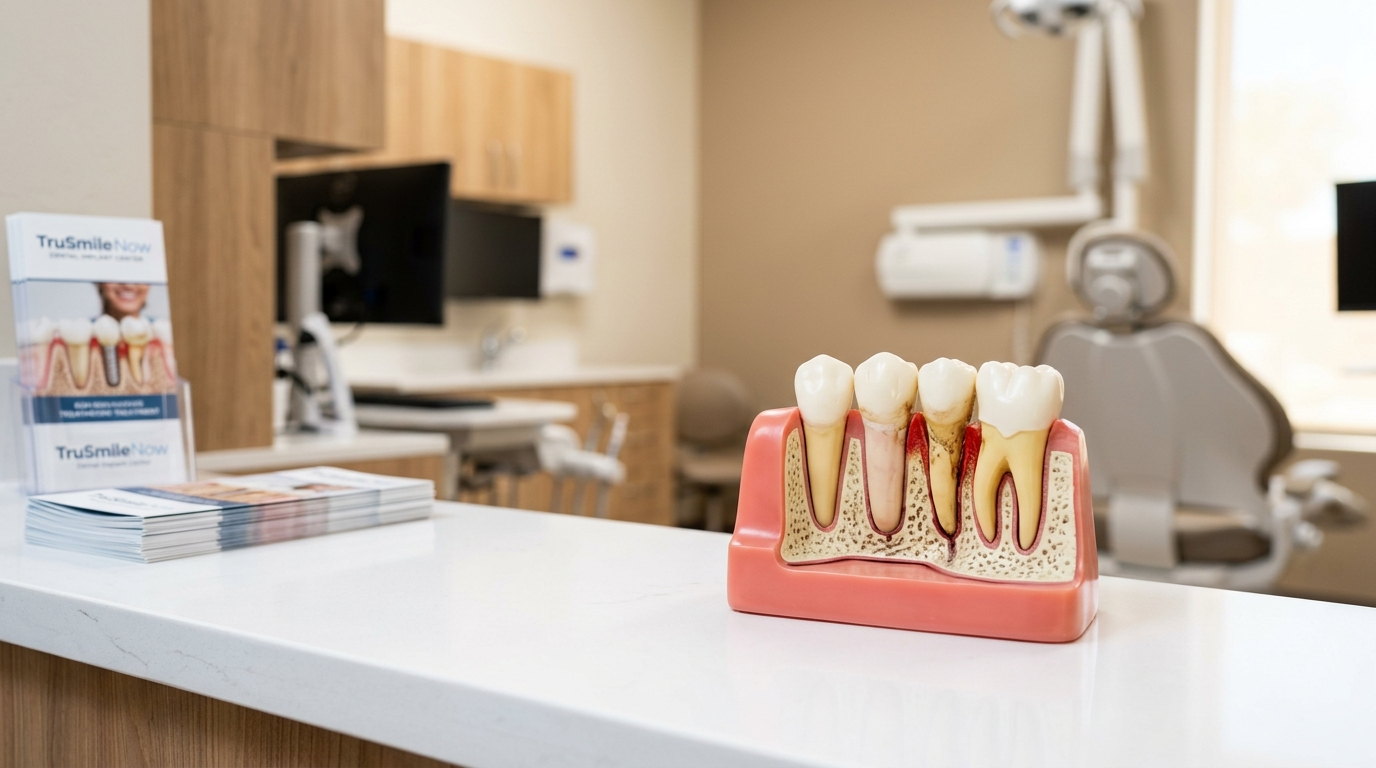
According to the American Academy of Periodontology, gum disease progresses through distinct stages. Gingivitis is the earliest and mildest form, characterized by red, swollen gums that bleed easily during brushing or flossing. At this stage, the damage is still reversible with proper care.
If gingivitis goes untreated, it can advance to periodontitis, where the infection spreads below the gum line and begins destroying the bone and connective tissue that hold teeth in place. This stage causes gums to pull away from teeth, forming pockets that become infected. Without intervention, periodontitis can lead to tooth loss and has been linked to systemic health issues including heart disease and diabetes complications.
The good news is that early detection and prompt treatment can halt the progression of gum disease and restore your oral health. At TruSmile Now, we use advanced diagnostic tools including 3D Cone Beam CT scans during your free consultation to assess the extent of any periodontal damage and create a personalized treatment plan.
✅ PROFESSIONAL GUM DISEASE TREATMENT OPTIONS
The most effective approach to gum disease treatment depends on how far the condition has progressed. Dr. Hanna Choi evaluates each patient individually to recommend the most appropriate therapy.
Deep Cleaning: Scaling and Root Planing
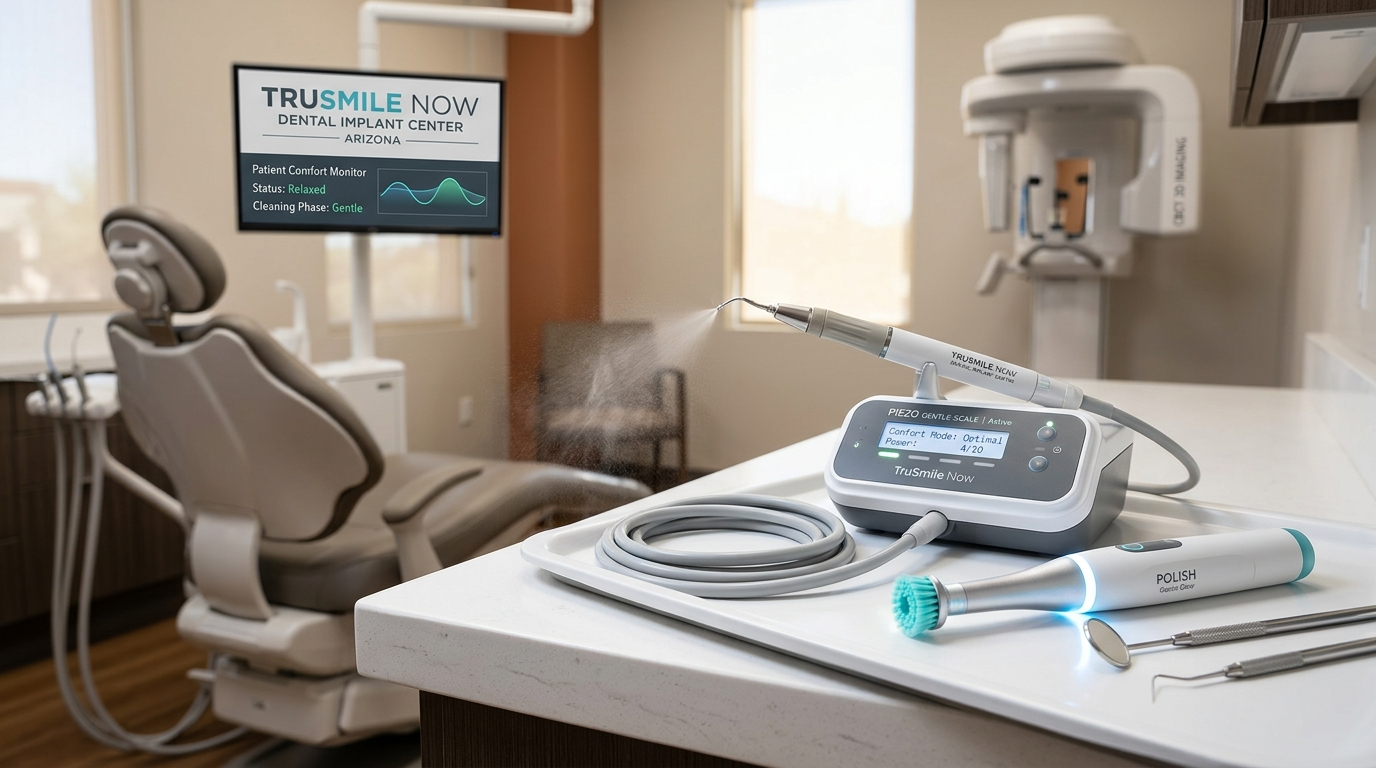
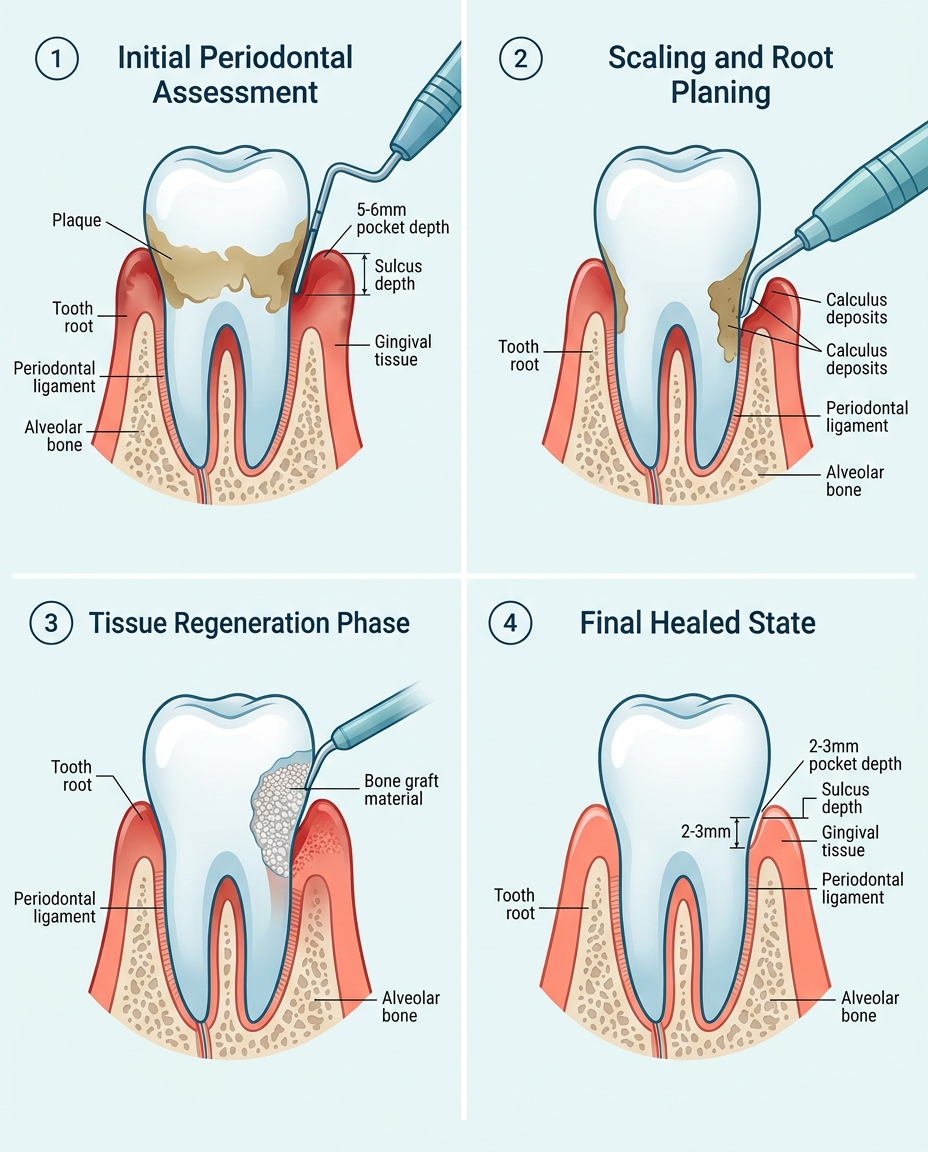
For patients with gingivitis or early periodontitis, a professional deep cleaning is often the first line of defense. This non-surgical procedure, called scaling and root planing, goes beyond a regular dental cleaning to remove plaque and tartar from below the gum line.
During scaling, your dental hygienist uses specialized instruments to carefully remove bacterial deposits from tooth surfaces and beneath the gums. Root planing smooths the tooth roots, making it harder for bacteria to reattach and allowing gums to heal and reattach to the teeth. Research published in the Journal of Clinical Periodontology shows that scaling and root planing can reduce pocket depths by an average of 0.5 to 1.0 millimeters and significantly improve gum attachment.
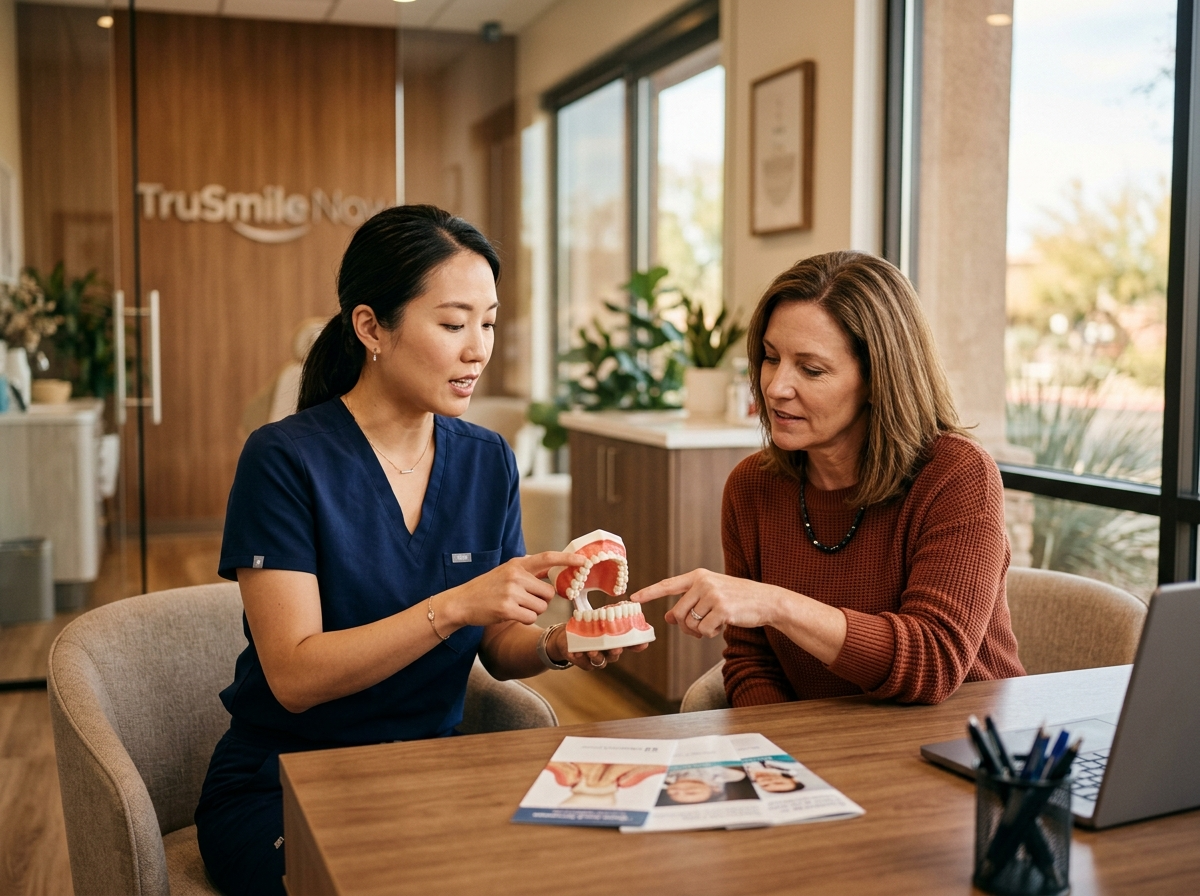
Most patients experience minimal discomfort during this treatment, and local anesthesia ensures you remain comfortable throughout. The procedure typically requires one or two appointments, depending on the extent of buildup and infection.
Antibiotic Therapy
In some cases, Dr. Hanna Choi may recommend antibiotic therapy to complement deep cleaning. Topical or oral antibiotics can help control bacterial infection and reduce inflammation. Antibiotic gels, fibers, or microspheres may be placed directly into periodontal pockets after scaling and root planing to target infection at its source.
Surgical Treatments for Advanced Cases
When periodontitis has progressed to an advanced stage, surgical intervention may be necessary. Options include flap surgery (pocket reduction surgery), where gums are lifted back to remove tartar deposits in deep pockets, and bone or tissue grafts to regenerate areas damaged by the disease.
At TruSmile Now, our team of specialists can coordinate all aspects of your care, from initial diagnosis through any necessary surgical procedures. We offer flexible payment plans through Cherry to make treatment affordable, regardless of the complexity of your case.
🏠 AT-HOME STRATEGIES TO ELIMINATE GUM DISEASE
Professional treatment is essential, but your daily habits play an equally important role in getting rid of gum disease and preventing recurrence. Think of gum disease treatment as a partnership between what we do in the dental office and what you do at home.
Brush Properly and Consistently
Brushing twice daily with fluoride toothpaste is non-negotiable. Use a soft-bristled toothbrush and gentle circular motions, angling the bristles toward the gum line at a 45-degree angle. This technique helps remove plaque from the critical area where teeth meet gums. Electric toothbrushes with pressure sensors can be especially effective, as they ensure consistent cleaning without damaging delicate gum tissue.
Replace your toothbrush or brush head every three months, or sooner if bristles become frayed. Worn bristles are less effective at removing plaque and can harbor bacteria.
Floss Daily Without Exception
Flossing removes plaque and food particles from between teeth and below the gum line, areas your toothbrush cannot reach. The American Dental Association recommends flossing at least once daily, preferably before bedtime.
Use about 18 inches of floss, winding most around your middle fingers and leaving an inch or two to work with. Gently slide the floss between teeth, curve it into a C-shape against one tooth, and slide it beneath the gum line. Move the floss up and down against the tooth surface, then repeat on the adjacent tooth. If traditional floss is difficult to use, consider floss picks, interdental brushes, or water flossers as alternatives.
Use Antimicrobial Mouthwash
An antimicrobial or antiseptic mouthwash can reduce bacteria that cause gum disease. Look for products containing chlorhexidine, essential oils, or cetylpyridinium chloride. Rinse for 30 seconds after brushing and flossing to reach areas that mechanical cleaning might miss.
Dr. Hanna Choi can recommend specific mouthwash products based on your individual needs and the severity of your condition.
Make Lifestyle Changes That Support Gum Health
Certain lifestyle factors significantly impact your risk of developing or worsening gum disease. Quit smoking, as tobacco use is one of the most significant risk factors for periodontal disease. Smokers are twice as likely to have gum disease compared to non-smokers, and smoking interferes with healing after treatment.
Manage stress through exercise, meditation, or other relaxation techniques. Chronic stress weakens your immune system, making it harder for your body to fight off the bacterial infection that causes gum disease.
Eat a balanced diet rich in vitamins and minerals, particularly vitamin C and calcium, which support gum and bone health. Limit sugary and starchy foods that feed harmful bacteria in your mouth.
📅 THE IMPORTANCE OF REGULAR DENTAL VISITS
Even with excellent home care, professional cleanings and examinations are essential components of effective gum disease treatment. Regular dental visits allow Dr. Hanna Choi to monitor your gum health, remove hardened tartar that cannot be eliminated by brushing alone, and catch any signs of disease recurrence early.
For patients with a history of gum disease, more frequent cleanings may be recommended. Many patients benefit from periodontal maintenance visits every three to four months rather than the standard six-month interval. These appointments help keep bacterial levels under control and prevent pockets from deepening again.
At TruSmile Now, we make preventive care accessible with our New Patient Special of just $49, which includes a comprehensive exam, X-rays, and consultation. We accept most major insurance plans including Delta Dental, Cigna, UnitedHealthcare, MetLife, Aetna, and Blue Cross Blue Shield of Arizona. We also accept Medicare Part B for medically necessary treatments.
⏱️ HOW LONG DOES IT TAKE TO GET RID OF GUM DISEASE?
The timeline for resolving gum disease varies depending on its severity and your commitment to treatment. Early-stage gingivitis can often be reversed within a few weeks of improved oral hygiene and a professional cleaning. You may notice reduced bleeding and inflammation within days of starting better home care.
Moderate to advanced periodontitis requires more time and intensive treatment. After scaling and root planing, it typically takes several weeks to a few months for gums to heal and reattach to teeth. Dr. Hanna Choi will schedule follow-up appointments to monitor your progress and measure pocket depths to ensure the infection is resolving.
While advanced gum disease cannot be completely cured, it can be managed and controlled with ongoing professional care and diligent home hygiene. The key is maintaining the improvements you achieve through treatment by staying consistent with your oral care routine and keeping regular dental appointments.
💰 WHAT DOES GUM DISEASE TREATMENT COST?
The cost of treating gum disease depends on the extent of the condition and the treatments needed. A standard deep cleaning (scaling and root planing) typically ranges from $500 to $4,000, depending on how many quadrants of your mouth require treatment.
Most dental insurance plans cover at least a portion of periodontal treatment, especially when it is medically necessary. Our team at TruSmile Now works with all major insurance providers to maximize your benefits and minimize out-of-pocket costs.
For patients without insurance or with high deductibles, we offer flexible payment plans through Cherry to make treatment affordable. Don’t let cost concerns prevent you from getting the care you need. Untreated gum disease only becomes more expensive and complicated over time.
🔬 ADVANCED TECHNOLOGY FOR BETTER OUTCOMES
At TruSmile Now, we invest in cutting-edge technology to provide the most effective gum disease treatment available. Our 3D Cone Beam CT scanner provides detailed three-dimensional images of your teeth, gums, and bone structure, allowing Dr. Hanna Choi to accurately diagnose the extent of periodontal damage and plan treatment with precision.
We also utilize digital X-rays, which expose patients to up to 90% less radiation than traditional film X-rays while providing instant, high-resolution images. This technology helps us detect bone loss and other signs of gum disease in their earliest stages.
Our state-of-the-art in-house dental lab allows us to create custom appliances and restorations quickly and accurately, streamlining your treatment process and reducing the number of appointments needed.
❓ FREQUENTLY ASKED QUESTIONS
Can gum disease be completely cured?
Early-stage gum disease (gingivitis) can be completely reversed with professional treatment and improved oral hygiene. However, advanced periodontitis cannot be fully cured because bone and tissue loss is permanent. That said, the condition can be effectively managed and controlled to prevent further damage. With proper gum disease treatment and ongoing maintenance, you can maintain healthy gums and keep your natural teeth for life.
How do I know if I have gum disease?
Common signs include red, swollen, or tender gums, bleeding when brushing or flossing, persistent bad breath, receding gums that make teeth appear longer, loose teeth, and changes in how your teeth fit together when you bite. If you notice any of these symptoms, schedule an evaluation with Dr. Hanna Choi at TruSmile Now. Early detection makes treatment more effective and less invasive.
Is scaling and root planing painful?
Most patients experience little to no discomfort during scaling and root planing because we use local anesthesia to numb the treatment area. You may feel some pressure or vibration from the instruments, but the procedure should not be painful. After treatment, you might experience mild sensitivity or soreness for a few days, which can be managed with over-the-counter pain relievers and salt water rinses.
How often should I see the dentist if I have had gum disease?
After completing initial gum disease treatment, most patients need periodontal maintenance cleanings every three to four months rather than the standard six-month interval. These more frequent visits help prevent bacterial regrowth and catch any signs of recurrence early. Dr. Hanna Choi will recommend a personalized schedule based on your specific condition and risk factors.
Does insurance cover gum disease treatment?
Most dental insurance plans cover at least a portion of periodontal treatment, especially when it is medically necessary. Coverage typically includes a percentage of the cost for scaling and root planing, periodontal maintenance, and sometimes surgical procedures. At TruSmile Now, we work with all major insurance providers including Delta Dental, Cigna, UnitedHealthcare, MetLife, Aetna, and more. Our team will verify your benefits and help you understand your coverage before beginning treatment.
Can I treat gum disease at home without seeing a dentist?
While improved oral hygiene at home is essential, you cannot effectively treat established gum disease without professional intervention. Once tartar (hardened plaque) forms below the gum line, it cannot be removed by brushing and flossing alone. Professional cleaning is necessary to eliminate these bacterial deposits. However, early gingivitis can sometimes be reversed with diligent home care before tartar develops. The best approach is to see Dr. Hanna Choi for an evaluation to determine the extent of the problem and create an appropriate treatment plan.
🎯 TAKE ACTION TODAY FOR HEALTHIER GUMS
Getting rid of gum disease requires a combination of professional treatment and committed home care, but the results are well worth the effort. Healthy gums not only protect your teeth and bone structure but also contribute to your overall health and wellbeing. Research continues to reveal connections between periodontal health and conditions like heart disease, diabetes, and respiratory infections, making gum disease treatment an investment in your total health.
At TruSmile Now, Dr. Hanna Choi and our experienced team are committed to helping you achieve and maintain optimal gum health. We combine advanced technology, evidence-based treatments, and compassionate care to give you the best possible outcomes. Whether you are dealing with early warning signs or advanced periodontal disease, we have the expertise and resources to help.
Don’t wait for gum disease to progress. Early intervention is always easier, more comfortable, and more affordable than treating advanced stages. Take the first step toward healthier gums by scheduling your comprehensive evaluation today.
📍 VISIT TRUSMILE NOW – 3 ARIZONA LOCATIONS
TruSmile Now Peoria
20542 N Lake Pleasant Rd, Suite 113
Peoria, AZ 85382
Phone: (602) 362-0447
Hours: Mon-Thu 9:00 AM – 5:00 PM
TruSmile Now Chandler
2900 W Ray Rd #3
Chandler, AZ 85224
Phone: (480) 393-0687
Hours: Mon-Thu 9:00 AM – 5:00 PM
TruSmile Now Ahwatukee (Phoenix)
4530 E Ray Rd #170
Phoenix, AZ 85044
Phone: (480) 360-4754
Hours: Mon 9-5, Tue 7am-2pm, Wed-Thu 10-7, Fri 8-3, Sat 8am-1pm
Serving Peoria, Chandler, Ahwatukee, Phoenix, Tempe, Mesa, Gilbert, Scottsdale, Glendale, Surprise, and the Greater Phoenix metro area.
New Patient Special: $49 – Includes exam, X-rays, and consultation!
We accept most major insurance including Delta Dental, Cigna, UnitedHealthcare, MetLife, Aetna, BCBS, and more. Medicare Part B accepted for medically necessary treatments.
We offer flexible payment plans through Cherry to make your treatment affordable.
Prefer texting over calling? Lucy, our AI-powered assistant, is always ready to chat. Ask her anything about our services or schedule your visit in seconds.
Ready for gum disease treatment? Call any of our locations or schedule online today!
View our before and after gallery to see real patient results!