Dental bone graft failure is relatively uncommon, with success rates typically ranging between 90-95% when performed by experienced specialists. However, understanding the factors that can lead to complications helps patients make informed decisions and take proper precautions during recovery. While most bone grafts integrate successfully with existing jaw bone, certain conditions and behaviors can increase the risk of dental bone graft failure.
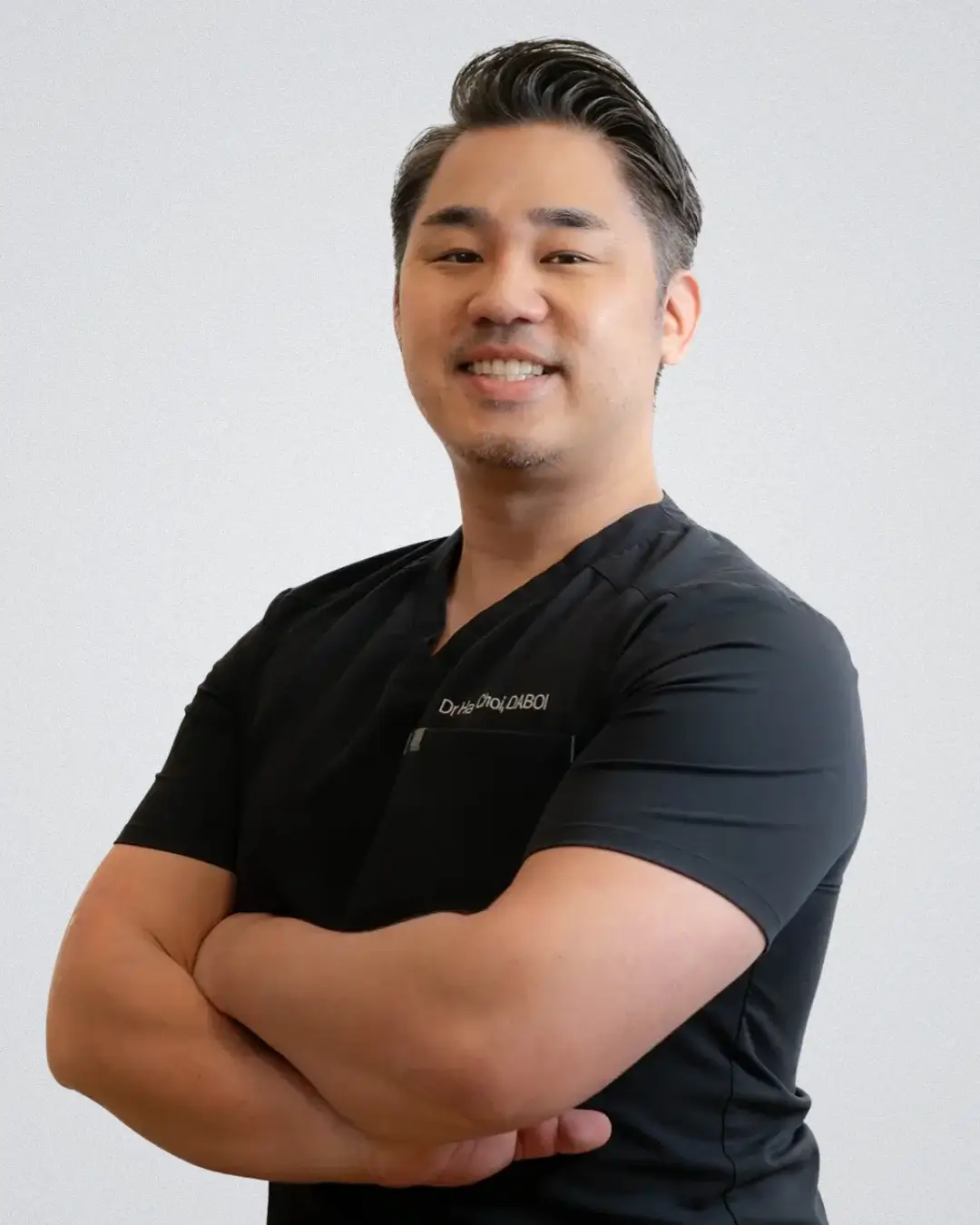
At TruSmile Now, Dr. Han Choi, DDS, DABOI, FAAID, has helped hundreds of patients achieve permanent, beautiful smiles. As a Diplomate of the American Board of Oral Implantology and Fellow of the American Academy of Implant Dentistry, Dr. Han Choi is a board-certified implant specialist who handles the most complex cases, including All-on-4 and full-arch restorations. With experience managing 10 clinics and training over 30 dentists, his expertise is unmatched in the Phoenix metro area.
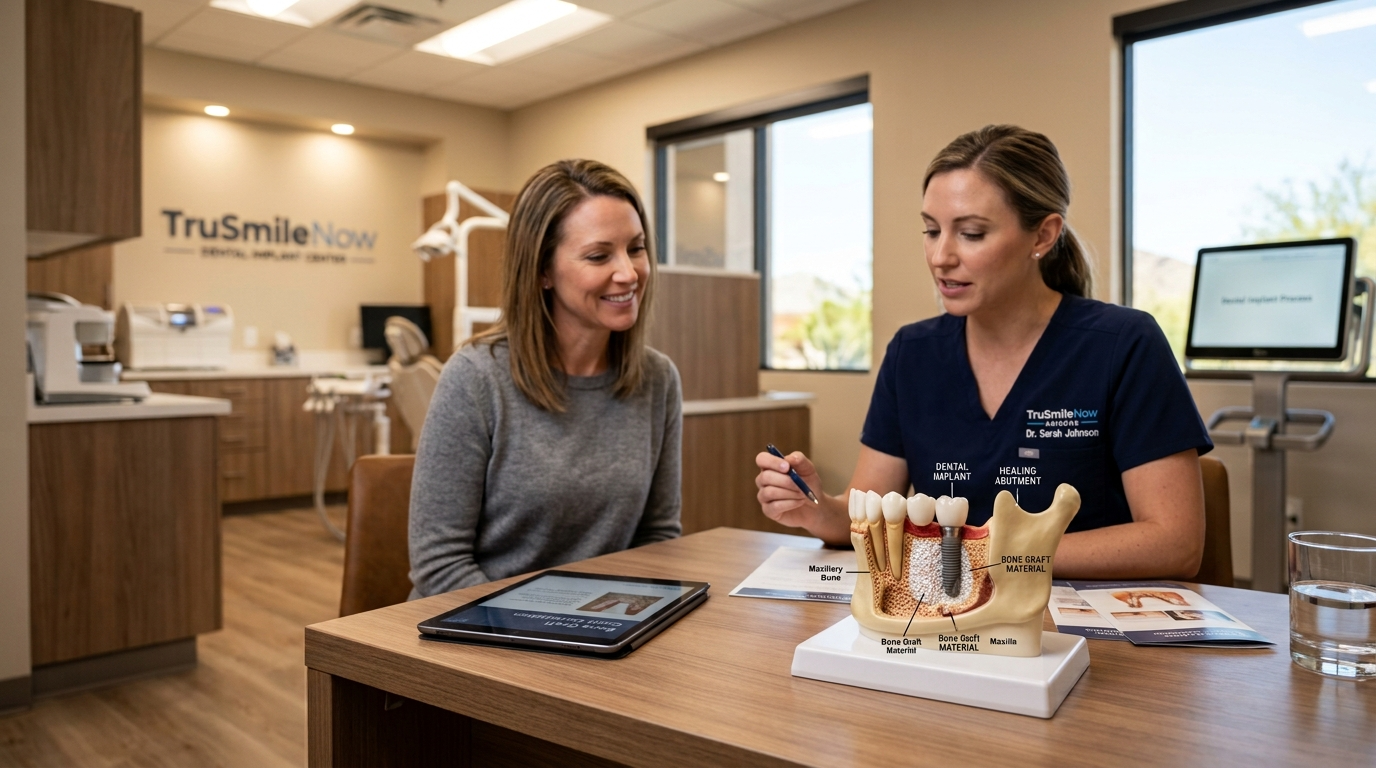
Bone grafting has become a standard procedure in modern dentistry, particularly for patients preparing for dental implants. When natural bone loss has occurred due to tooth extraction, gum disease, or long-term denture wear, grafting rebuilds the foundation needed for successful implant placement. According to peer-reviewed research on implant survival rates, proper bone volume is critical for long-term implant success.
⚕️ UNDERSTANDING DENTAL BONE GRAFT FAILURE RATES
The actual rate of dental bone graft failure depends on several factors, including graft type, location, patient health, and surgical technique. Studies show that autogenous bone grafts (taken from the patient’s own body) have the highest success rates at approximately 95-98%, while synthetic and cadaver bone materials typically succeed in 85-92% of cases.
Maxillary (upper jaw) grafts generally face slightly higher failure risks compared to mandibular (lower jaw) procedures due to differences in bone density and blood supply. Sinus lift procedures, which involve bone grafting in the upper posterior region, maintain success rates around 90-93% when performed by experienced specialists like Dr. Han Choi.
The American Dental Association recognizes bone grafting as a safe and predictable procedure that has helped millions of patients become candidates for permanent tooth replacement. Most failures occur within the first 3-6 months after surgery, during the initial healing and integration phase.
🚨 COMMON CAUSES OF DENTAL BONE GRAFT FAILURE
Several factors can contribute to complications with bone grafting procedures. Understanding these risk factors helps patients take appropriate preventive measures:
Infection and Bacteria
Bacterial infection represents one of the most common causes of dental bone graft failure. Poor oral hygiene before or after surgery allows harmful bacteria to infiltrate the surgical site, preventing proper healing. Patients with untreated gum disease face significantly higher complication rates. This is why thorough periodontal evaluation and treatment precede any grafting procedure at our practice.
Smoking and Tobacco Use
Tobacco use dramatically increases the risk of graft rejection. Nicotine restricts blood flow to healing tissues, depriving the graft of essential nutrients and oxygen. Studies indicate that smokers experience failure rates 2-3 times higher than non-smokers. Dr. Han Choi strongly recommends smoking cessation at least two weeks before surgery and throughout the healing period.
Medical Conditions
Certain systemic health conditions affect bone healing and integration. Uncontrolled diabetes impairs the body’s ability to fight infection and slows tissue regeneration. Autoimmune disorders, osteoporosis, and conditions requiring immunosuppressive medications can compromise graft success. Patients taking bisphosphonates for bone density issues need special consideration, as these medications can interfere with jaw bone healing.
Inadequate Blood Supply
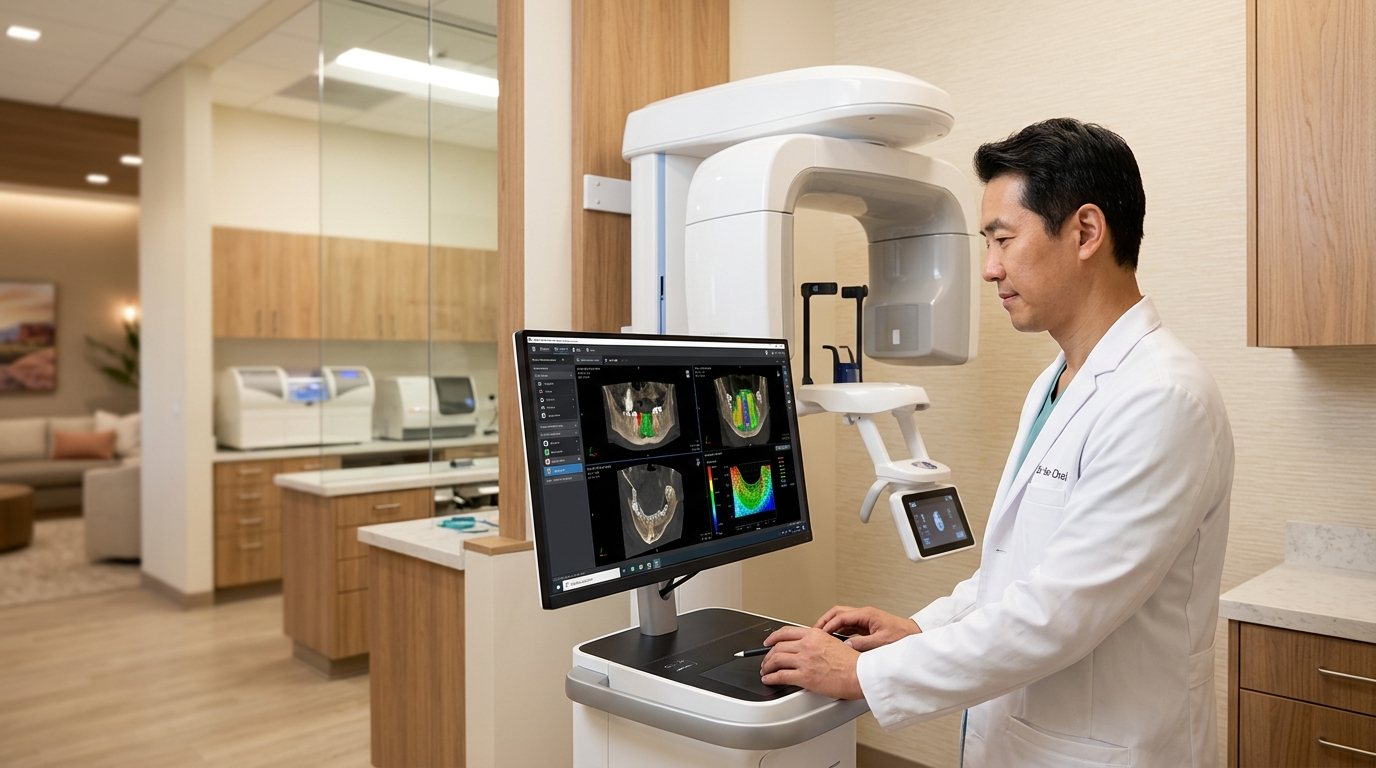
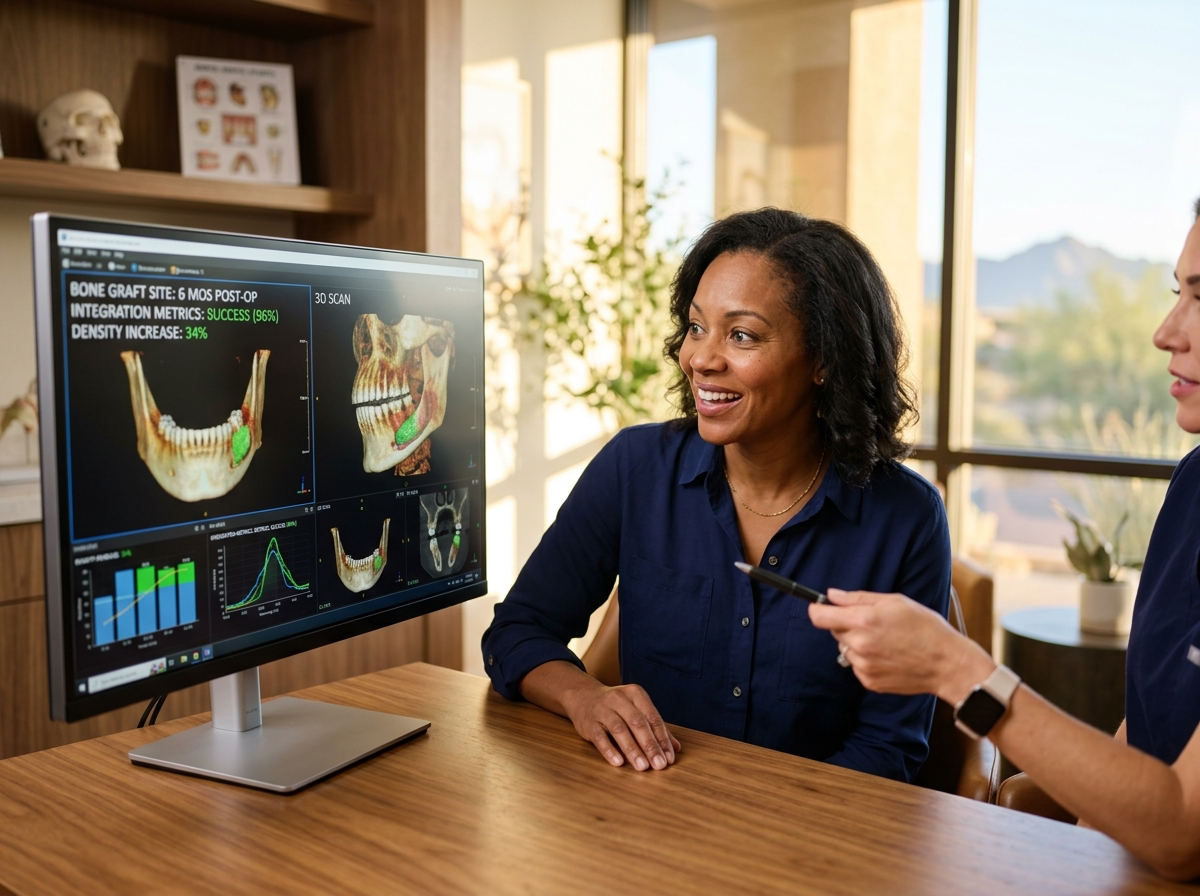
Successful bone grafting depends on adequate vascularization at the recipient site. Areas with compromised blood flow due to previous radiation therapy, trauma, or chronic infection may not support graft integration. Advanced imaging technology at TruSmile Now, including 3D Cone Beam CT scans, allows Dr. Han Choi to assess bone quality and blood supply before recommending treatment.
Premature Loading or Trauma
Physical disturbance of the graft site during healing can disrupt the integration process. Patients who fail to follow post-operative instructions, such as avoiding hard foods or wearing temporary dentures too soon, risk complications. Even minor trauma from tongue pressure or cheek biting can affect outcomes in the early healing stages.
⚠️ WARNING SIGNS OF DENTAL BONE GRAFT FAILURE
Recognizing early warning signs allows for prompt intervention that may save the graft. Patients should contact their oral surgeon immediately if they experience any of these symptoms:
Severe or increasing pain beyond the first few days suggests potential infection or complications. While some discomfort is normal initially, pain should gradually decrease with time. Throbbing pain that intensifies or returns after initial improvement warrants immediate evaluation.
Excessive swelling or inflammation that worsens after the third day may indicate infection. Some swelling is expected for 48-72 hours post-surgery, but continued expansion or hardening of tissues signals problems.
Persistent bleeding or discharge from the surgical site, especially if accompanied by foul odor or taste, suggests infection. Clear or slightly blood-tinged drainage is normal initially, but thick, yellow, or green discharge requires attention.
Fever above 101°F indicates systemic infection that could compromise the graft. Low-grade temperature (99-100°F) may occur in the first 24 hours, but sustained or high fever needs medical evaluation.
Graft material exposure through the gums suggests membrane or tissue breakdown. If you can see or feel the graft material with your tongue, contact your surgeon immediately, as exposed grafts rarely integrate successfully.
Unusual mobility or movement at the graft site indicates lack of integration. The area should feel stable and gradually more solid as healing progresses.
✅ PREVENTING COMPLICATIONS AND ENSURING SUCCESS
While dental bone graft failure cannot be completely eliminated, following evidence-based protocols significantly improves outcomes. At TruSmile Now, we implement comprehensive strategies to maximize success rates:
Pre-Surgical Optimization
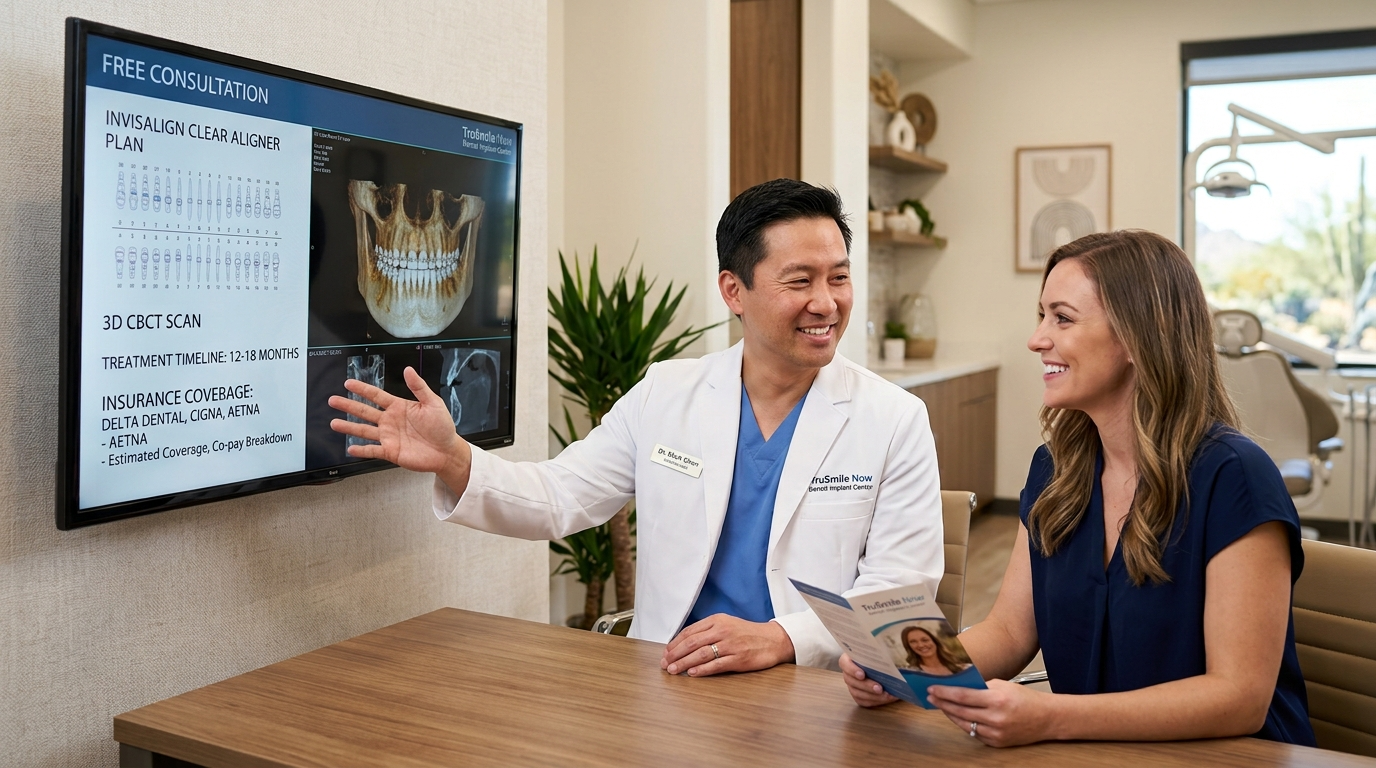
Thorough patient evaluation identifies and addresses risk factors before surgery. This includes treating active gum disease, optimizing blood sugar control in diabetic patients, and reviewing medications that might affect healing. Our free consultation includes a 3D Cone Beam CT scan to assess bone quality, density, and anatomical considerations.
Advanced Surgical Techniques
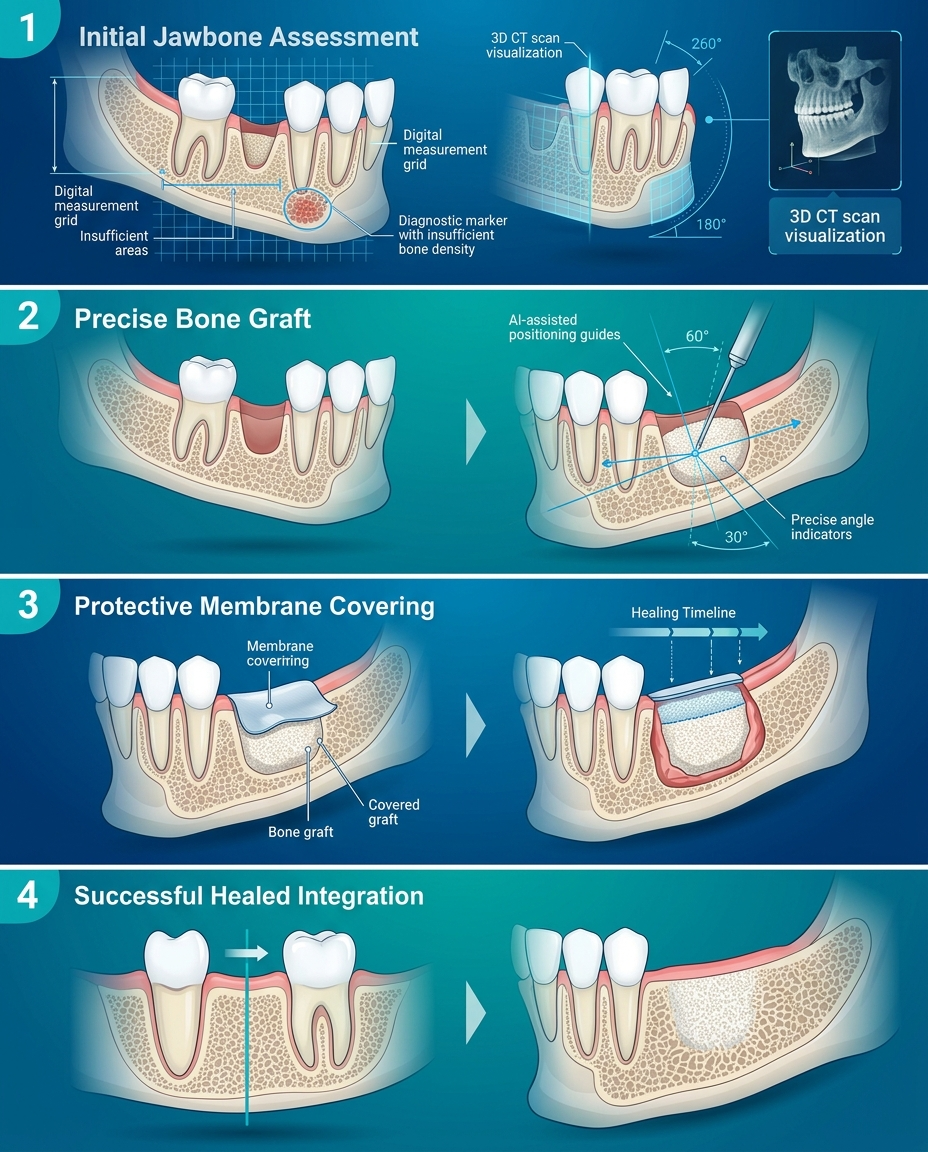
Board-certified specialists like Dr. Han Choi utilize minimally invasive techniques that preserve blood supply and reduce trauma. Proper graft selection, precise placement, and secure membrane coverage protect the grafting material during healing. Our state-of-the-art in-house dental lab ensures high-quality materials and custom solutions for each patient.
Post-Operative Care Excellence
Detailed post-operative instructions and close monitoring during the healing phase prevent complications. Patients receive prescriptions for antibiotics and pain management, along with specific dietary guidelines. Follow-up appointments at strategic intervals allow early detection and treatment of any concerns.
Patient Compliance
Success depends significantly on patient adherence to post-operative protocols. This includes taking prescribed medications, maintaining excellent oral hygiene without disturbing the surgical site, eating soft foods, avoiding tobacco, and attending all follow-up appointments. Patients who follow instructions carefully experience the highest success rates.
💰 BONE GRAFTING COSTS AND INSURANCE COVERAGE
The cost of bone grafting varies based on the extent of bone loss, type of graft material, and complexity of the procedure. While we previously discussed detailed bone graft pricing, it is important to note that investing in quality care from experienced specialists reduces the likelihood of complications and repeat procedures.
Many dental insurance plans provide partial coverage for bone grafting when deemed medically necessary for implant placement. TruSmile Now accepts most major insurance carriers including Delta Dental, Cigna, UnitedHealthcare, MetLife, Aetna, and Blue Cross Blue Shield. We also accept Medicare Part B for medically necessary treatments.
We offer flexible payment plans through Cherry to make treatment affordable. Our financial coordinators work with each patient to maximize insurance benefits and create payment arrangements that fit their budget.
🔄 WHAT HAPPENS IF A GRAFT FAILS
If dental bone graft failure occurs despite best efforts, options remain available. In most cases, after the failed graft material is removed and the site has healed completely (typically 2-3 months), a second grafting procedure can be attempted with modifications to address the factors that contributed to the initial failure.
Alternative approaches may include using different graft materials, implementing staged procedures, or considering All-on-4 dental implants that can often be placed in available bone without extensive grafting. Dr. Han Choi’s extensive experience with complex cases allows him to develop creative solutions even when initial treatments face challenges.
The key is maintaining open communication with your surgical team and addressing complications promptly. Early intervention often prevents minor issues from becoming major setbacks.
🏆 WHY CHOOSE TRUSMILE NOW FOR BONE GRAFTING
TruSmile Now offers distinct advantages that minimize the risk of complications and maximize treatment success:
Board-certified expertise: Dr. Han Choi’s credentials as a Diplomate of the American Board of Oral Implantology (DABOI) and Fellow of the American Academy of Implant Dentistry (FAAID) represent the highest level of specialization in implant dentistry. His extensive training and experience with thousands of procedures translate to superior outcomes.
Advanced technology: Our free consultation includes 3D Cone Beam CT scanning that provides detailed imaging for precise treatment planning. This technology allows identification of potential challenges before surgery begins.
In-house dental lab: Having our own laboratory means faster turnaround times, better quality control, and custom solutions tailored to each patient’s unique anatomy.
Comprehensive care: With six experienced doctors spanning all dental specialties, we provide coordinated treatment from initial evaluation through final restoration. This integrated approach ensures optimal results.
Same-day emergency appointments: If complications arise, we provide prompt attention rather than making patients wait days or weeks for evaluation.
24/7 accessibility: Lucy, our AI receptionist, is available around the clock to answer questions and schedule appointments, providing peace of mind throughout your treatment journey.
❓ FREQUENTLY ASKED QUESTIONS
How long does it take to know if a dental bone graft failed?
Most dental bone graft failure becomes apparent within the first 3-6 months after surgery. Early failures typically show signs within 2-4 weeks, such as infection, excessive pain, or graft exposure. However, the complete integration process takes 4-6 months, and definitive success is confirmed through follow-up X-rays and clinical examination before implant placement proceeds.
Can you get dental implants without bone grafting if you have bone loss?
In some cases, yes. All-on-4 dental implants are specifically designed to maximize use of available bone, often eliminating the need for grafting. These implants are placed at strategic angles to anchor in denser bone areas. However, severe bone loss may still require grafting even for All-on-4. A 3D CT scan during your free consultation at TruSmile Now determines whether you are a candidate for graft-free implant placement.
What is the success rate of bone grafting for dental implants?
When performed by experienced specialists like Dr. Han Choi, bone grafting for dental implants succeeds in 90-95% of cases. Success rates vary based on graft type, location, patient health, and adherence to post-operative instructions. Autogenous grafts (from your own bone) have the highest success rates at 95-98%, while synthetic materials succeed in 85-92% of cases. Proper patient selection and technique significantly impact outcomes.
Does smoking always cause bone graft failure?
While smoking does not guarantee failure, it increases the risk 2-3 times compared to non-smokers. Nicotine restricts blood flow to healing tissues, impairing the integration process. Many surgeons, including Dr. Han Choi, require patients to quit smoking at least two weeks before surgery and throughout the healing period (4-6 months) to optimize success. Patients who cannot commit to smoking cessation may need to consider alternative treatments.
How painful is bone graft failure compared to normal healing?
Normal healing involves manageable discomfort that decreases steadily over 5-7 days. Complications cause pain that intensifies rather than improves, often described as throbbing or severe. Infection may produce fever, swelling that worsens after day three, and foul taste or odor. If your pain increases after initially improving, or if pain medication provides no relief, contact your surgeon immediately as these are warning signs requiring evaluation.
Will insurance cover a second bone graft if the first one fails?
Coverage for repeat procedures varies by insurance plan and the reason for the initial failure. If the complication resulted from factors beyond the patient’s control, many plans provide coverage for the second attempt. However, if non-compliance with post-operative instructions caused the problem, insurance may deny the claim. TruSmile Now’s financial coordinators work directly with insurance companies to maximize benefits and can explain your specific coverage. We also offer flexible payment plans to make retreatment affordable.
📍 VISIT TRUSMILE NOW – 3 ARIZONA LOCATIONS
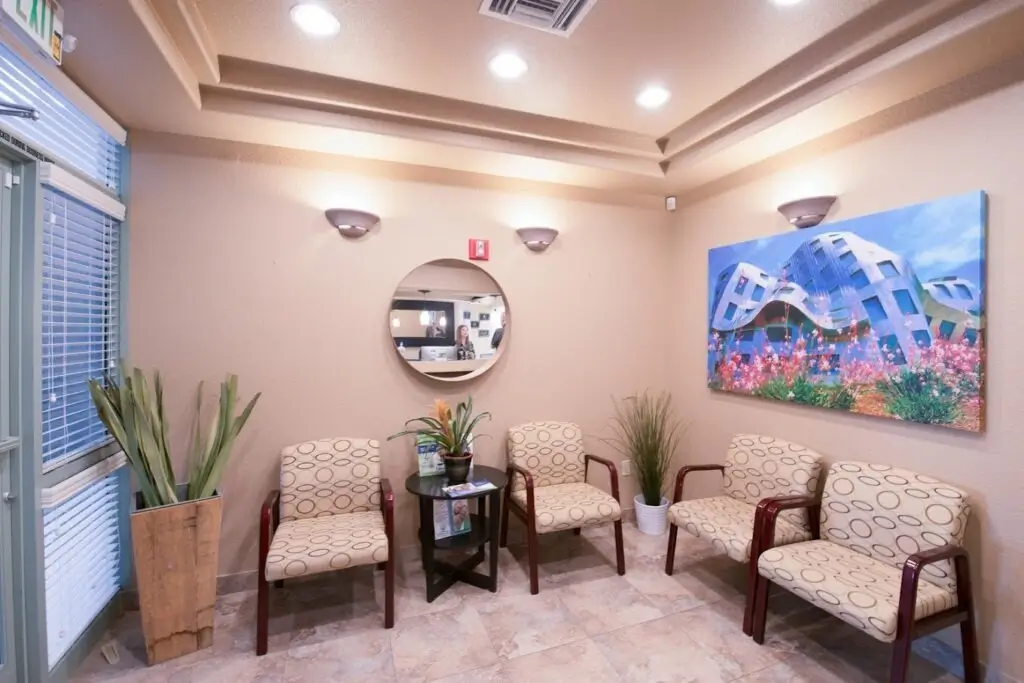
TruSmile Now Peoria
20542 N Lake Pleasant Rd, Suite 113
Peoria, AZ 85382
Phone: (602) 362-0447
Hours: Mon-Thu 9:00 AM – 5:00 PM
TruSmile Now Chandler
2900 W Ray Rd #3
Chandler, AZ 85224
Phone: (480) 393-0687
Hours: Mon-Thu 9:00 AM – 5:00 PM
TruSmile Now Ahwatukee (Phoenix)
4530 E Ray Rd #170
Phoenix, AZ 85044
Phone: (480) 360-4754
Hours: Mon 9-5, Tue 7am-2pm, Wed-Thu 10-7, Fri 8-3, Sat 8am-1pm
Serving Peoria, Chandler, Ahwatukee, Phoenix, Tempe, Mesa, Gilbert, Scottsdale, Glendale, Surprise, and the Greater Phoenix metro area.
New Patient Special: $49 – Includes exam, X-rays, and consultation!
We accept most major insurance including Delta Dental, Cigna, UnitedHealthcare, MetLife, Aetna, BCBS, and more. Medicare Part B accepted for medically necessary treatments.
We offer flexible payment plans through Cherry to make your treatment affordable.
Prefer texting over calling? Lucy, our AI-powered assistant, is always ready to chat. Ask her anything about our services or schedule your visit in seconds.
Ready to learn more about preventing dental bone graft failure? Call any of our locations or schedule online today!
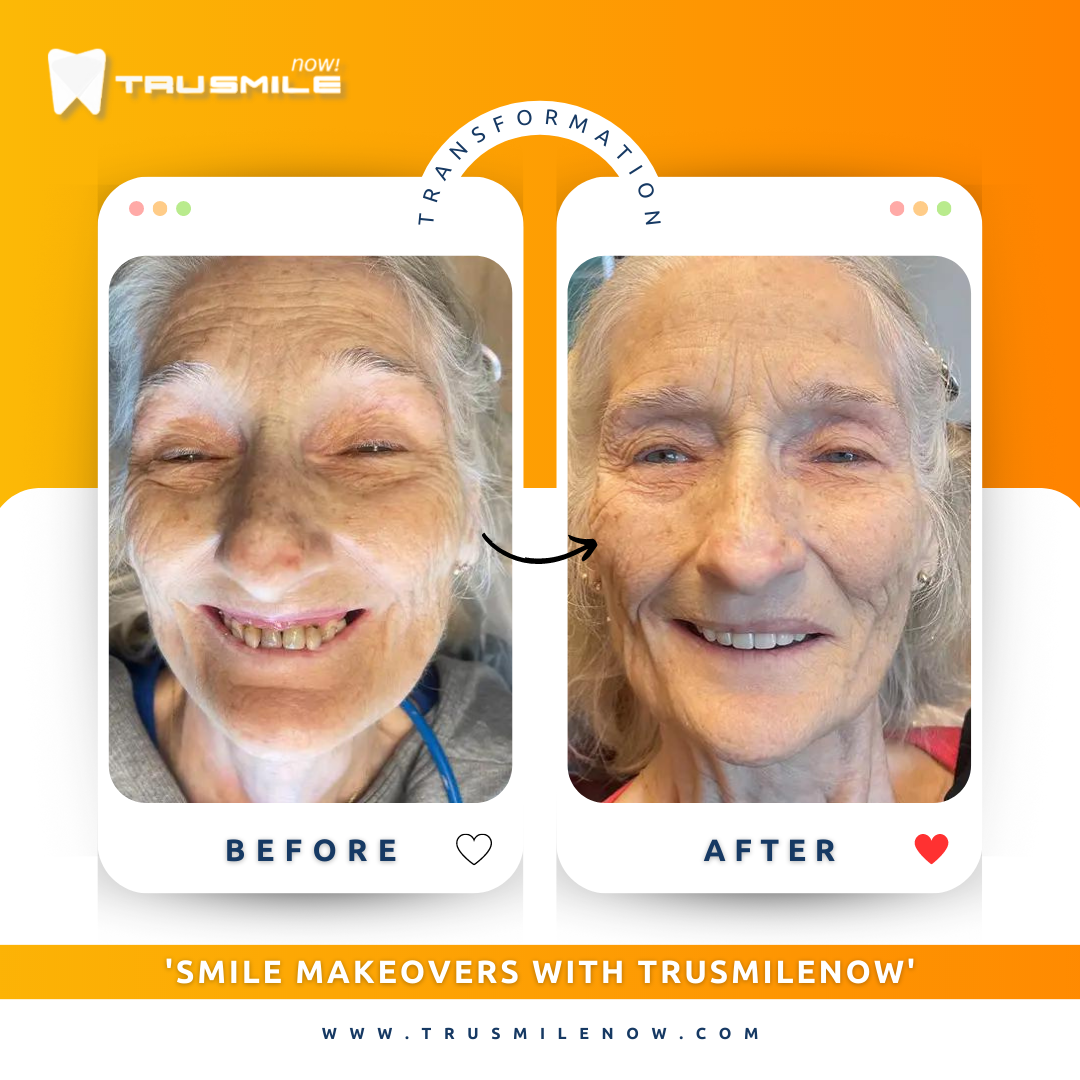
View our before and after gallery to see real patient results!