If you are dealing with bleeding gums, swelling, or persistent bad breath, you are probably wondering what the best mouthwash for gum disease is and whether it can actually make a difference. The truth is, while mouthwash alone cannot cure gum disease, the right formula can be a powerful addition to your daily oral hygiene routine, helping reduce bacteria, soothe inflammation, and support healthier gums when used alongside proper brushing, flossing, and professional dental care.
At TruSmile Now, Dr. Hanna Choi, DDS, believes that prevention is the foundation of great dental health. With a focus on gentle, thorough preventive care, Dr. Hanna Choi helps patients maintain healthy gums and catch potential issues early, so you can avoid more complex treatments down the road.

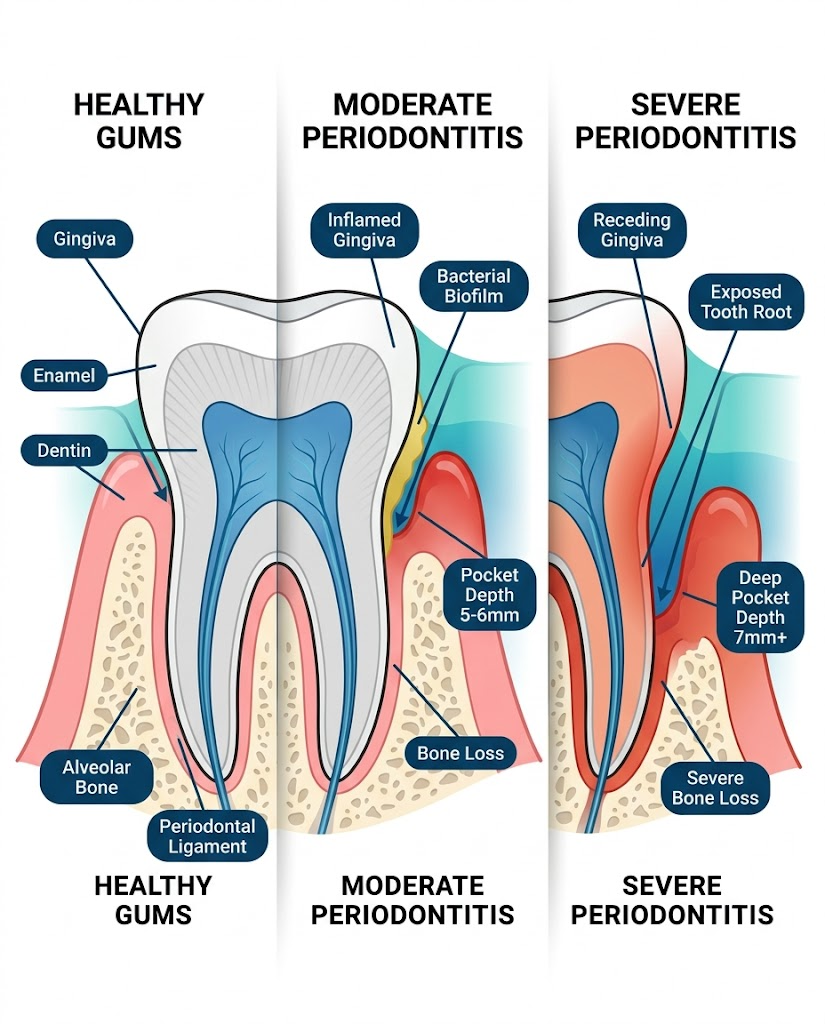
Gum disease, also known as periodontal disease, affects nearly half of all adults over 30 in the United States, according to the American Academy of Periodontology. It starts as gingivitis, with symptoms like red, swollen gums that bleed when you brush or floss. Left untreated, it can progress to periodontitis, where the infection damages the bone supporting your teeth, potentially leading to tooth loss. The good news? Early-stage gum disease is reversible with the right care, and choosing the best mouthwash for gum disease can play a meaningful role in your recovery.
🦷 WHAT MAKES A MOUTHWASH EFFECTIVE FOR GUM DISEASE
Not all mouthwashes are created equal. Many over-the-counter rinses focus on freshening breath or preventing cavities, but the best mouthwash for gum disease needs specific ingredients that target the bacteria and inflammation at the root of periodontal problems. Here is what to look for when shopping for a therapeutic mouthwash:
Antibacterial Agents That Fight Plaque
The primary cause of gum disease is bacterial plaque that builds up along the gumline. Look for mouthwashes containing chlorhexidine gluconate, which is considered the gold standard for reducing oral bacteria. Prescription-strength chlorhexidine rinses like Peridex or PerioGard can reduce plaque by up to 55% when used as directed. Over-the-counter options often contain cetylpyridinium chloride (CPC) or essential oils like eucalyptol, menthol, thymol, and methyl salicylate, which also demonstrate antibacterial properties.
Anti-Inflammatory Ingredients
Gum disease causes inflammation that leads to swelling, redness, and bleeding. The best mouthwash for gum disease should include ingredients that calm this inflammatory response. Look for formulas with aloe vera, chamomile, or green tea extract. Some therapeutic rinses also contain hydrogen peroxide, which not only kills bacteria but also helps reduce gum inflammation and promotes healing of damaged tissue.
Fluoride for Added Protection
While fluoride is best known for preventing cavities, it can also benefit gums by strengthening tooth enamel and reducing sensitivity that often accompanies gum disease. If you have receding gums exposing tooth roots, a fluoride-containing mouthwash provides an extra layer of protection against decay in these vulnerable areas.

⭐ TOP RECOMMENDED MOUTHWASHES FOR GUM DISEASE
Based on clinical research and dentist recommendations, here are some of the most effective options when you are searching for the best mouthwash for gum disease:
TheraBreath Healthy Gums Oral Rinse
This alcohol-free formula is specifically designed to combat gum disease. It contains CPC to reduce bacteria and is pH-balanced to maintain a healthy oral environment. TheraBreath is a favorite among periodontists because it does not cause the burning sensation associated with alcohol-based rinses, making it comfortable for long-term use. It also helps neutralize sulfur-producing bacteria that cause bad breath, a common symptom of gum disease.
Crest Pro-Health Gum and Breath Purify
This rinse contains stannous fluoride, which has been shown to reduce gingivitis and prevent plaque buildup. According to peer-reviewed research published in the Journal of Clinical Dentistry, stannous fluoride demonstrates superior antibacterial activity compared to sodium fluoride. Crest Pro-Health also targets the bacteria that cause bad breath while strengthening enamel.
Listerine Gum Therapy Antiseptic Mouthwash
Listerine has been clinically proven to reduce gingivitis for over 100 years. The Gum Therapy formula contains essential oils that penetrate biofilm (the sticky layer of bacteria on teeth) more effectively than brushing alone. Studies show that using this rinse twice daily can reduce gingivitis by 21% and plaque by 52% in just three weeks.
Colgate PerioGard (Prescription)
For moderate to severe gum disease, your dentist may prescribe a chlorhexidine rinse like PerioGard. This prescription-strength formula is the most powerful option available and is typically used for 2-4 weeks following deep cleaning procedures like scaling and root planing. While highly effective, chlorhexidine can cause temporary tooth staining and altered taste, so it is reserved for cases where over-the-counter options are not sufficient.
CloSYS Healthy Gums Oral Rinse
This gentle, pH-balanced rinse uses stabilized chlorine dioxide to eliminate bacteria without harsh chemicals or alcohol. CloSYS is particularly good for people with sensitive gums or those who find other mouthwashes too strong. It is also safe for long-term daily use and does not cause staining like chlorhexidine.
📋 HOW TO USE MOUTHWASH FOR MAXIMUM GUM HEALTH BENEFITS
Even the best mouthwash for gum disease will not work if you are not using it correctly. Here are the key steps to get the most benefit from your therapeutic rinse:
Timing Matters
Use your mouthwash after brushing and flossing, not before. Brushing and flossing remove food particles and loosen plaque, allowing the active ingredients in your rinse to reach the gum pockets where bacteria hide. If you use mouthwash first, you are essentially rinsing away its benefits when you brush afterward.
Measure the Right Amount
Most therapeutic mouthwashes recommend using 15-20 milliliters (about 3-4 teaspoons) per rinse. Using too little reduces effectiveness, while using too much wastes product without providing additional benefits. Many bottles come with a measuring cap for convenience.
Swish for the Full Duration
Most products recommend swishing for 30-60 seconds. Set a timer if needed, because most people rinse for only 10-15 seconds, which is not long enough for the active ingredients to work. Make sure to swish vigorously, moving the liquid between your teeth and along the gumline.
Do Not Rinse, Eat, or Drink Immediately After
After spitting out your mouthwash, resist the urge to rinse with water. This washes away the protective coating of active ingredients. Similarly, avoid eating or drinking for at least 30 minutes to allow the formula to continue working on your gums.
🚫 WHAT MOUTHWASH CANNOT DO ALONE
While choosing the best mouthwash for gum disease is important, it is crucial to understand that no rinse can replace professional dental care or proper home hygiene. Mouthwash reaches only the surfaces of your teeth and gums. It cannot remove hardened tartar (calculus) that has already formed below the gumline, which requires professional cleaning.
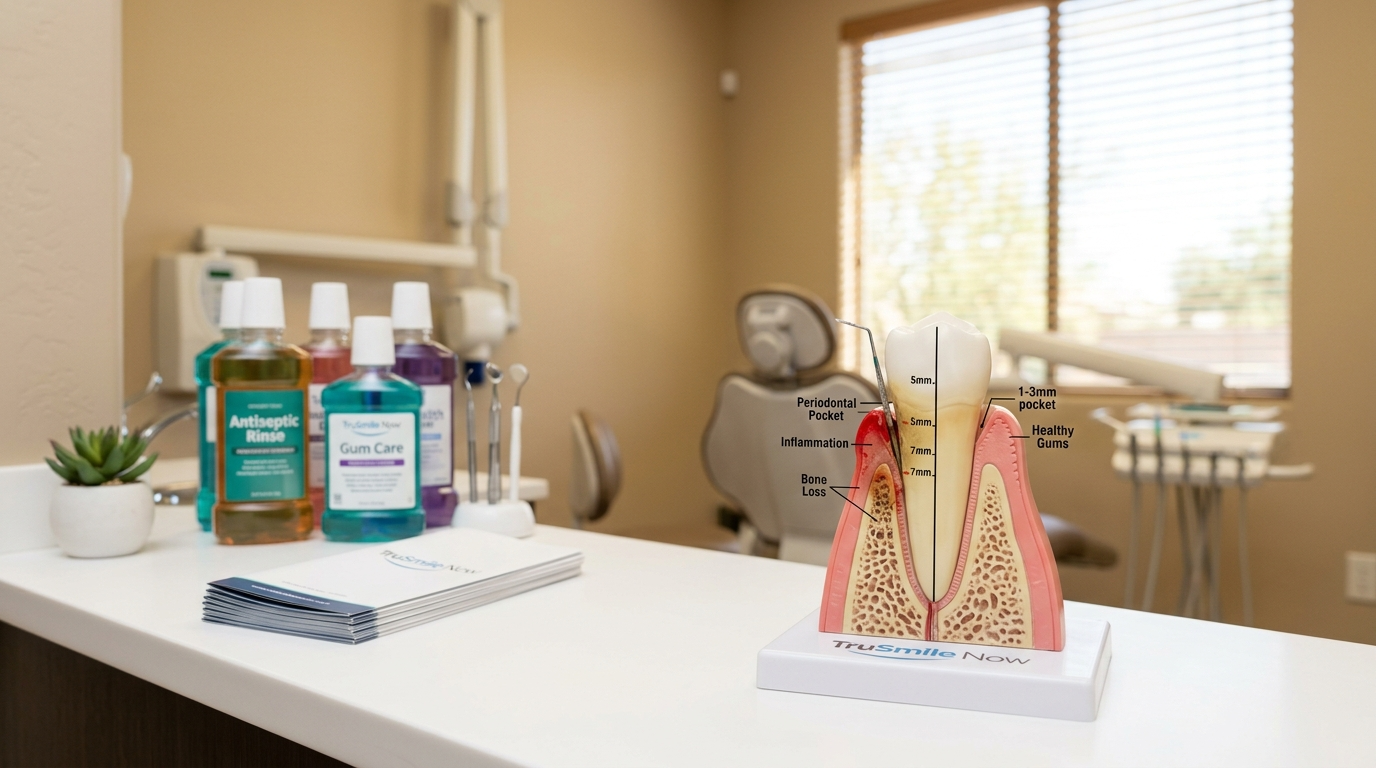
If you have moderate to severe gum disease with deep periodontal pockets (measuring 4mm or deeper), you will likely need scaling and root planing, a deep cleaning procedure that removes bacteria and tartar from below the gumline. In advanced cases, surgical intervention may be necessary. At TruSmile Now, we offer comprehensive gum disease treatment tailored to your specific needs, from preventive cleanings to advanced periodontal therapy.
The American Dental Association emphasizes that mouthwash should complement, not replace, brushing twice daily with fluoride toothpaste and flossing at least once per day. Think of therapeutic rinse as the final step in a complete oral hygiene routine.
💰 COST AND ACCESSIBILITY CONSIDERATIONS
Over-the-counter therapeutic mouthwashes typically cost between $6 and $12 per bottle, with each bottle lasting about one month when used twice daily. Prescription chlorhexidine rinses may cost $15-30 but are usually covered by dental insurance when prescribed for diagnosed gum disease.
When combined with regular professional cleanings and checkups, using the right mouthwash can help you avoid more expensive treatments down the road. At TruSmile Now, we offer a New Patient Special for just $49, which includes a comprehensive exam, X-rays, and consultation. Dr. Hanna Choi will evaluate your gum health and recommend the most effective products and treatments for your situation. We offer flexible payment plans through Cherry to make treatment affordable.
🩺 WHEN TO SEE A DENTIST FOR GUM DISEASE
Even with the best mouthwash for gum disease, certain symptoms require professional evaluation. Schedule an appointment at TruSmile Now if you experience:
- Persistent bleeding when brushing or flossing that does not improve after two weeks of improved oral hygiene
- Gums that are pulling away from your teeth, making teeth appear longer
- Loose teeth or changes in how your teeth fit together when you bite
- Persistent bad breath that does not go away even after brushing and using mouthwash
- Pus between your teeth and gums
- Pain when chewing or increased tooth sensitivity
Early intervention is key. The sooner you address gum disease, the more likely you are to reverse it without invasive procedures. Dr. Hanna Choi uses advanced diagnostic tools, including digital X-rays and periodontal probing, to accurately assess your gum health and create a personalized treatment plan.
🌿 NATURAL AND ALTERNATIVE MOUTHWASH OPTIONS
Some patients prefer natural alternatives to commercial mouthwashes. While these options may provide some benefits, they generally have less scientific evidence supporting their effectiveness compared to clinically tested formulas. That said, here are some alternatives worth considering:
Salt Water Rinse
A simple saline solution (1/2 teaspoon of salt in 8 ounces of warm water) can help reduce inflammation and promote healing after dental procedures. While not as powerful as commercial options, salt water is gentle, inexpensive, and safe for daily use.
Oil Pulling
This ancient Ayurvedic practice involves swishing coconut or sesame oil in your mouth for 15-20 minutes. Some studies suggest it may reduce plaque and gingivitis, though results are not as consistent as with proven antibacterial rinses.
Tea Tree Oil Rinse
Diluted tea tree oil has natural antibacterial properties. However, it must be properly diluted (never use full-strength) and should not be swallowed, as it can be toxic if ingested.
Before trying any alternative remedy, discuss it with Dr. Hanna Choi to ensure it is safe and appropriate for your specific condition. Natural does not always mean effective or safe, and some remedies can interfere with professional treatments.
❓ FREQUENTLY ASKED QUESTIONS
Can mouthwash cure gum disease on its own?
No, mouthwash cannot cure gum disease by itself. While the best mouthwash for gum disease can significantly reduce bacteria and inflammation, it must be used alongside proper brushing, flossing, and professional dental care. For existing gum disease, you will need professional cleaning to remove tartar buildup that mouthwash cannot reach.
How long does it take to see results from using a therapeutic mouthwash?
Most patients notice reduced gum bleeding and inflammation within 1-2 weeks of consistent use. However, significant improvement in gum health typically takes 4-6 weeks when combined with proper brushing and flossing. If you do not see improvement after two weeks, schedule an appointment at TruSmile Now for a professional evaluation.
Should I use mouthwash before or after brushing my teeth?
Always use mouthwash after brushing and flossing. Brushing and flossing remove food particles and loosen plaque, allowing the active ingredients in your mouthwash to penetrate more effectively. Using mouthwash first means you will rinse away its benefits when you brush afterward.
Is alcohol-free mouthwash better for gum disease?
Alcohol-free formulas are generally better for gum disease because they do not cause the burning sensation or dryness that can irritate already inflamed gums. Dry mouth can actually worsen gum disease by reducing saliva production, which naturally helps fight bacteria. Look for alcohol-free options that still contain effective antibacterial ingredients like CPC or essential oils.
Does insurance cover prescription mouthwash for gum disease?
Many dental insurance plans cover prescription chlorhexidine mouthwash when it is prescribed as part of gum disease treatment. At TruSmile Now, we accept most major insurance plans including Delta Dental, Cigna, UnitedHealthcare, MetLife, Aetna, and Blue Cross Blue Shield of Arizona. Our team will verify your coverage and help you understand your benefits before treatment begins.
Can I use whitening mouthwash if I have gum disease?
It is best to avoid whitening mouthwashes until your gum disease is under control. Whitening agents can irritate inflamed gums and may worsen symptoms. Focus on therapeutic formulas designed for gum health first. Once your gums are healthy, Dr. Hanna Choi can recommend safe teeth whitening options that will not compromise your periodontal health.
📍 VISIT TRUSMILE NOW – 3 ARIZONA LOCATIONS
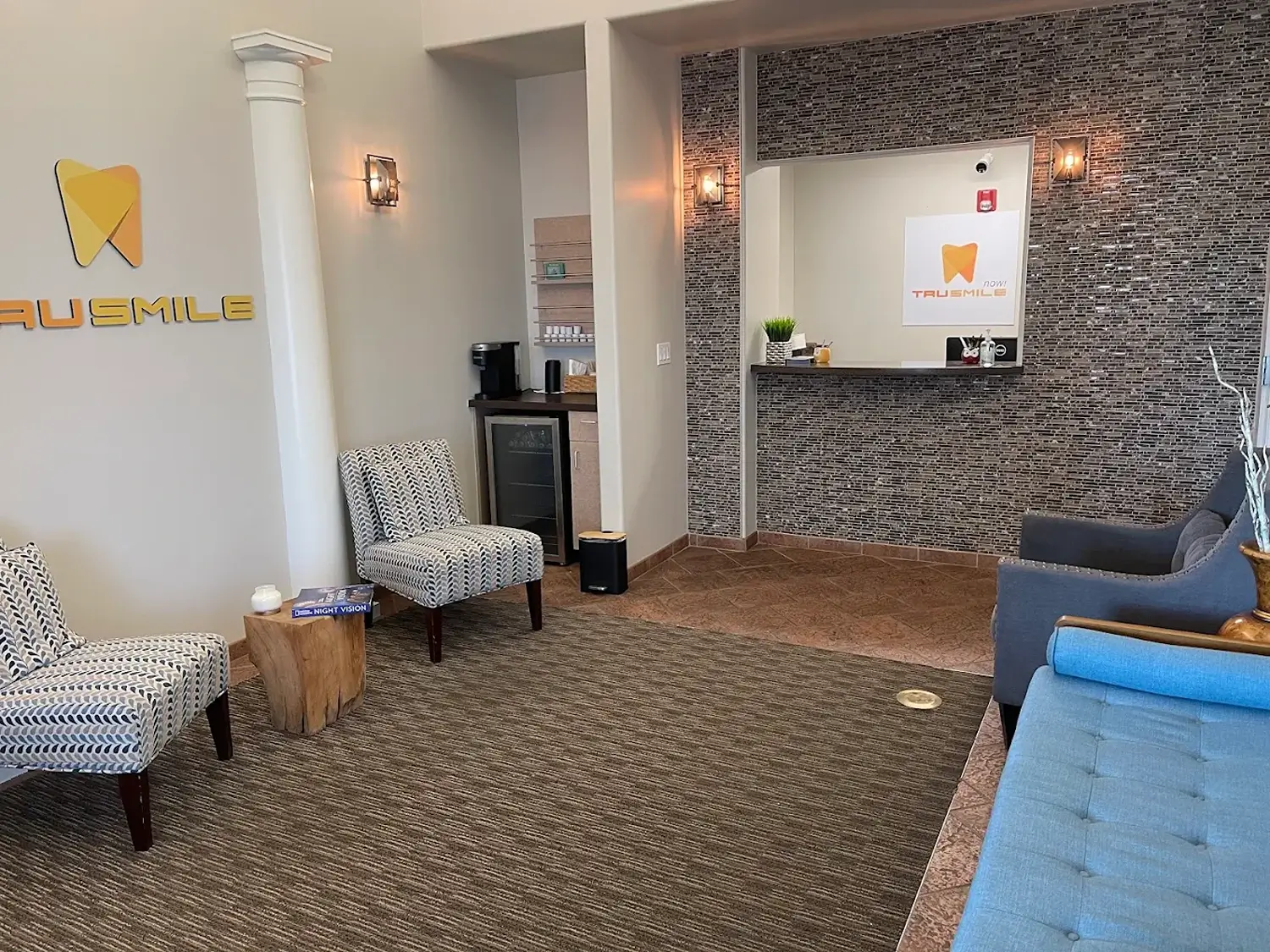
TruSmile Now Peoria
20542 N Lake Pleasant Rd, Suite 113
Peoria, AZ 85382
Phone: (602) 362-0447
Hours: Mon-Thu 9:00 AM – 5:00 PM
TruSmile Now Chandler
2900 W Ray Rd #3
Chandler, AZ 85224
Phone: (480) 393-0687
Hours: Mon-Thu 9:00 AM – 5:00 PM
TruSmile Now Ahwatukee (Phoenix)
4530 E Ray Rd #170
Phoenix, AZ 85044
Phone: (480) 360-4754
Hours: Mon 9-5, Tue 7am-2pm, Wed-Thu 10-7, Fri 8-3, Sat 8am-1pm
Serving Peoria, Chandler, Ahwatukee, Phoenix, Tempe, Mesa, Gilbert, Scottsdale, Glendale, Surprise, and the Greater Phoenix metro area.
New Patient Special: $49 – Includes exam, X-rays, and consultation!
We accept most major insurance including Delta Dental, Cigna, UnitedHealthcare, MetLife, Aetna, BCBS, and more. Medicare Part B accepted for medically necessary treatments.
We offer flexible payment plans through Cherry to make your treatment affordable.
Prefer texting over calling? Lucy, our AI-powered assistant, is always ready to chat. Ask her anything about our services or schedule your visit in seconds.
Ready to find the best mouthwash for gum disease and get personalized recommendations? Call any of our locations or schedule online today!
View our before and after gallery to see real patient results!